Over 3,000 bears culled in Russia after wave of deadly attacks: ‘we’ve never had this’
Seeing what looked like a brown blob in a tree while driving through Siberia’s Irkutsk region, 36-year-old Daria Tyurneva pulled over, curious to get a better look. She was not expecting to find a bear cub, perched on a branch, several metres up. “We stopped, without turning off the engine or taking off the gear, because we knew the mother could be somewhere nearby,” Tyurneva said, showing a…
In Siberia’s Irkutsk region, 36-year-old Daria Tyurneva pulled over while driving and encountered a bear cub perched high up in a tree. Believing the mother bear might be nearby, Tyurneva recorded a video of the encounter and shared it with others. The incident is one of several that have alarmed Russians due to a recent wave of deadly bear attacks.
Russia is home to the world's largest population of brown bears, and interactions with these animals are becoming more common as habitat loss and climate change force bears to seek food in human settlements. Despite the number of bear attacks remaining relatively constant at around 20 to 30 per year, a series of recent maulings has caused widespread concern.
Over 3,000 bears have been culled in Russia in response to the attacks, according to TASS news agency. At least 26 people have been killed in bear attacks this year, with seven fatalities in Siberia’s Krasnodar region. In September, a bear dragged a 66-year-old woman from her window, and a week later, a 39-year-old logger was killed while guarding machinery in a forest.
A Siberian town reported feeling "under siege" from the bears, with sightings of the animals in urban areas becoming increasingly frequent. Experts attribute the surge in sightings to the lack of pine nuts in the forests, which are the bears' primary food source before hibernation. Russian authorities have introduced curfews in some municipalities and organized hunting groups to address the issue, but environmental activists argue that the government may be overestimating the bear population.
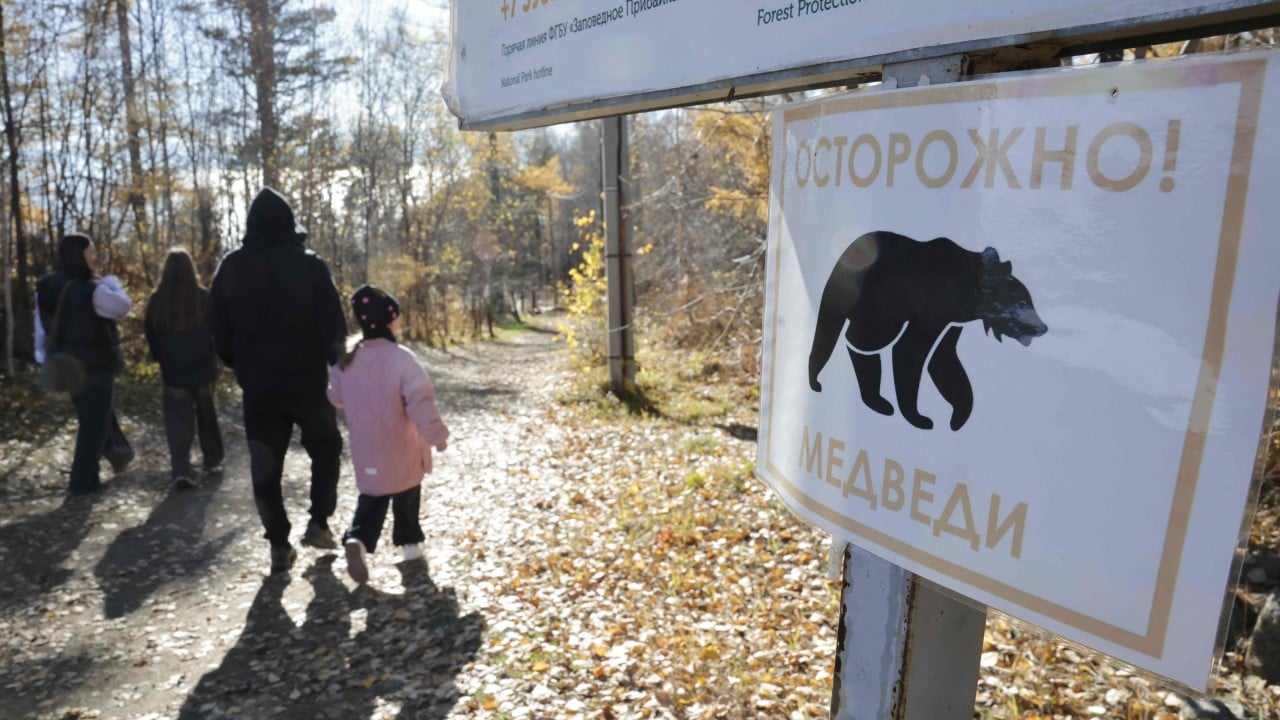
Despite the warnings, some tourists remain unfazed by the bears, while others choose to cancel their trips to avoid potential encounters.
Written by urgent.news from South China Morning Post's reporting — not their text. Machine-written — may contain errors; check the original before relying on it.