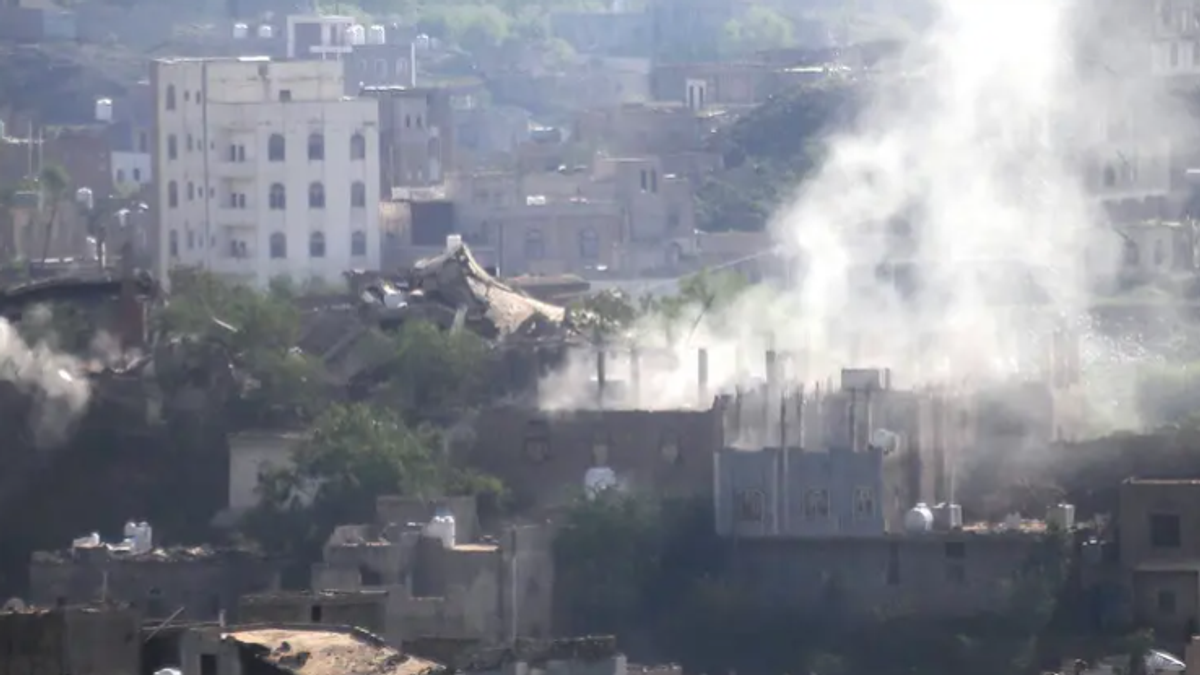
Operasi berterusan perangi Pati punca depot imgresen sesak, kata Saifuddin
Menteri dalam negeri berkata Jabatan Imigresen juga bangunkan pemetaan kawasan tumpuan warga asing bagi kenal pasti lokasi mereka tinggal, menginap atau berkumpul.
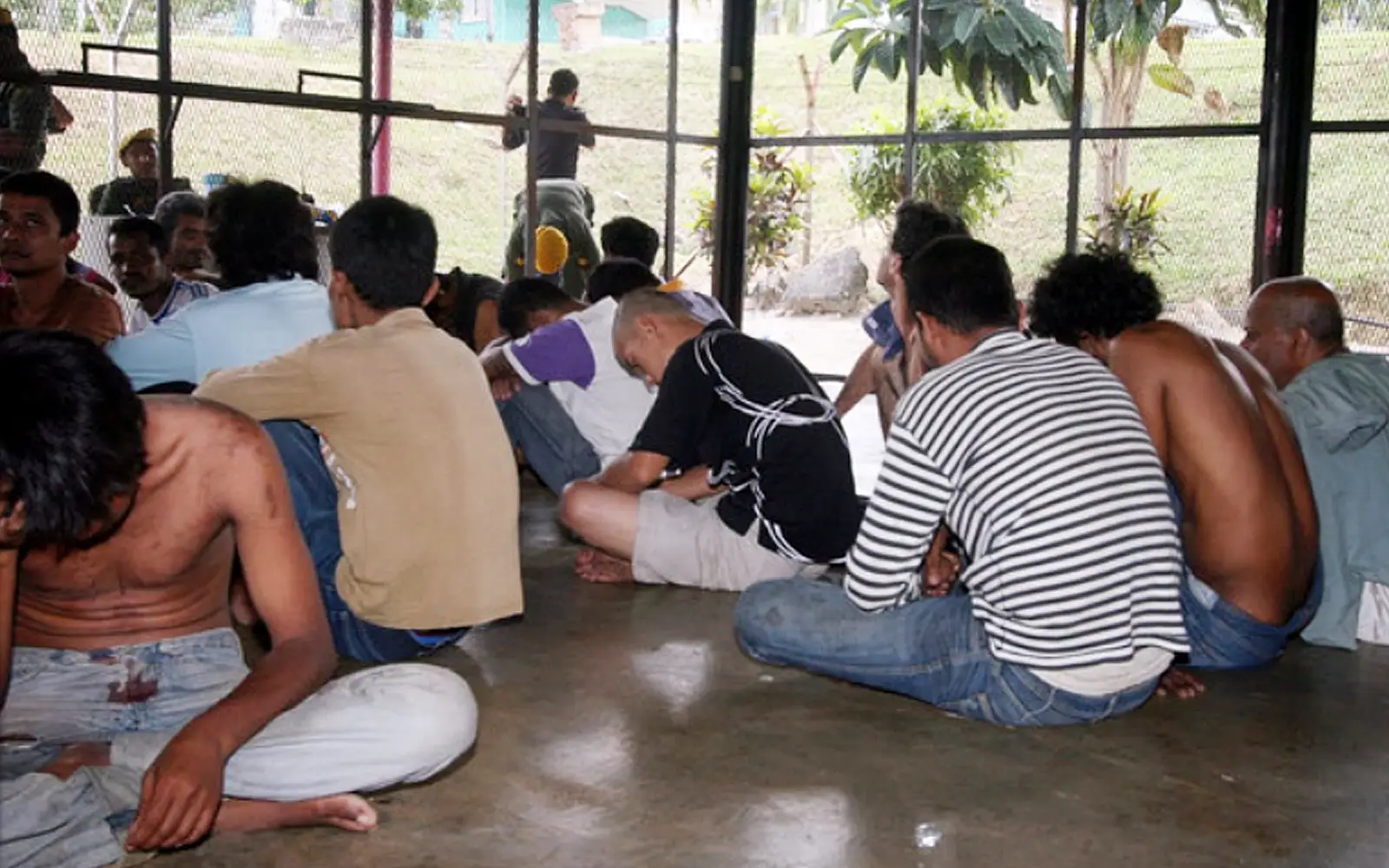
Menteri Dalam Negeri, Saifuddin Nasution Ismail, stated that the capacity of the immigration detention center is approximately 20,000 people. However, the influx of individuals being detained through ongoing enforcement operations is causing facilities to become overloaded. The national immigration center has been operating daily enforcement against unauthorized arrivals, with the capacity of the center at approximately 20,000 individuals.
Despite this, ongoing enforcement operations are causing facilities to become strained. The Immigration Department has created a map of hotspots for foreign nationals based on data collection and analysis to identify where they are living, sleeping, or gathering. Individuals detained include those without travel documents, those using expired passports, those using fraudulent passports, or those with refugee status.
Saifuddin acknowledged this during a media briefing after attending the Kementerian Dalam Negeri's (KDN) Madani Village and Madani School Community Assembly. He said each category requires consideration of legal status and location, involving enforcement agencies and local authorities. Perlis, Kedah, Kelantan, and Terengganu are specifically identified as the four states with the highest involvement in drug cases, based on data from four sources using international standards.
Kedah has the highest rate nationally, followed by Kuala Krai, Tumpat, Tanah Merah, and Bachok in Kelantan, and Besut in Terengganu, with rates exceeding 1,000 per 100,000 inhabitants. Saifuddin said this data will be used to identify areas needing more targeted prevention and enforcement efforts. He emphasized that cooperation between the KDN, the National Anti-Drug Agency (AADK), the police, and state governments is crucial for enhancing awareness and prevention programs in these areas.
Written by urgent.news from Free Malaysia Today's reporting — not their text. Machine-written — may contain errors; check the original before relying on it.
This story
This is one outlet's version. Read the fullest account.
- Operasi berterusan perangi Pati punca depot imgresen sesak, kata Saifuddin freemalaysiatoday.com