On this day in space! Oct. 17, 2016: Private Antares rocket returns to flight after catastrophic launch explosion
On Oct. 17, 2016, the Antares rocket now built by Northrop Grumman Space Systems returned to flight to come back from a catastrophic explosion. Here's why it mattered.
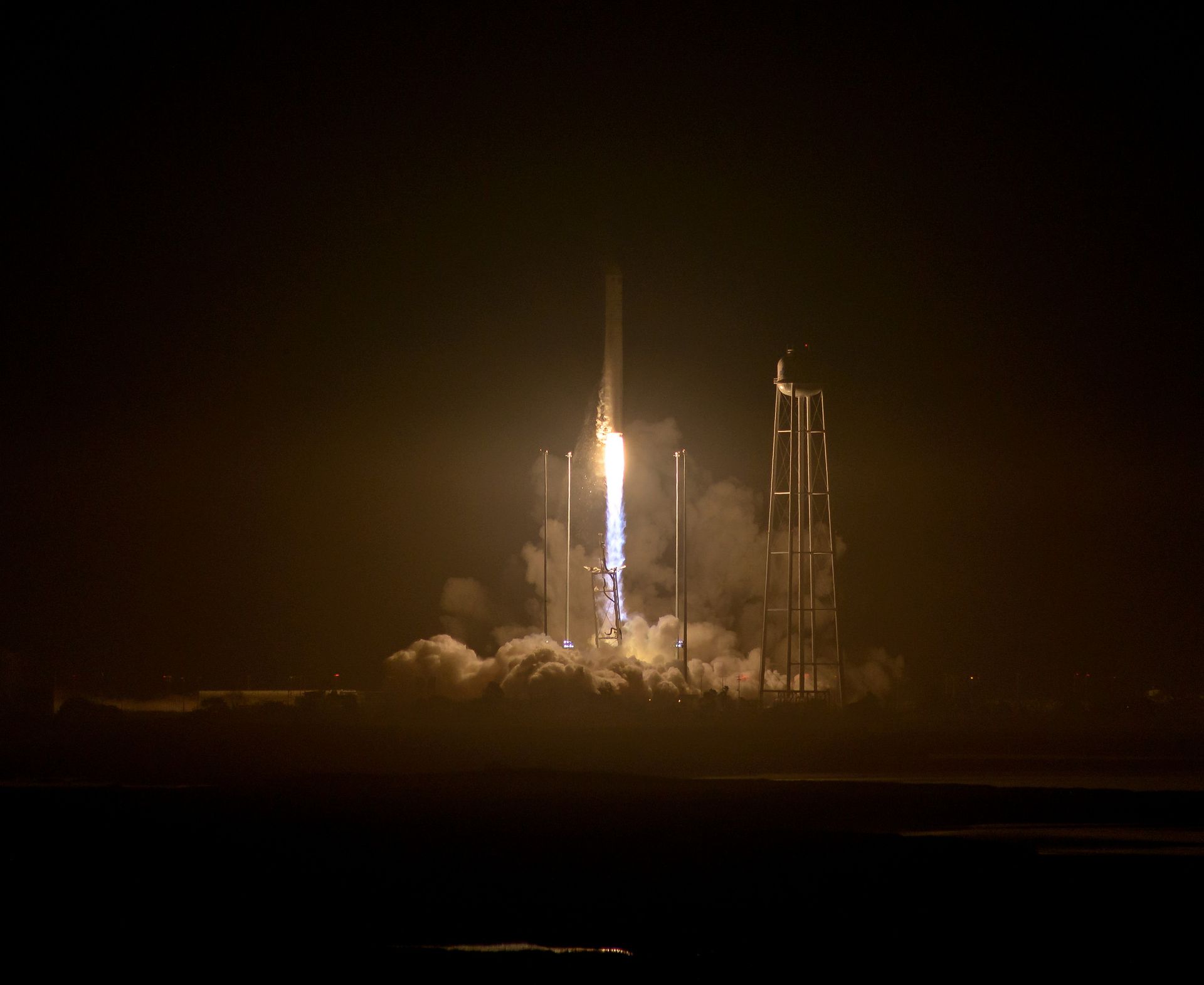
On October 17, 2016, Orbital ATK, now known as Northrop Grumman Space Systems, marked a significant milestone in space exploration by successfully launching a cargo mission to the International Space Station (ISS). This return to flight came after a disastrous launch attempt two years prior, which resulted in a catastrophic explosion just seconds after liftoff. The previous mission failure had placed immense pressure on Orbital ATK to demonstrate its capabilities once again.
Despite some delays, the newly upgraded Antares rocket soared into the night sky from NASA's Wallops Flight Facility in Virginia. The Cygnus cargo spacecraft, atop the Antares, arrived at the ISS six days later, carrying essential supplies, food, and scientific experiments for the space station crew. The successful launch underscored the importance of cargo deliveries to maintain the continuous operation of the ISS.
Russia, ESA, and JAXA contribute to the ISS's supply chain with their respective spacecraft, while NASA contracted Orbital ATK and SpaceX to provide commercial resupply services. The Antares rocket played a crucial role in sustaining the U.S. segment of the station with necessary resources. Since that fateful launch, the Antares has flown 12 more missions before requiring further redesign, but the significance of this event remains etched in space history.
Written by urgent.news from Space.com's reporting — not their text. Machine-written — may contain errors; check the original before relying on it.