Obesity in Colombia: What the Data Shows and How Policies Compare
Obesity remains a major public health concern in Colombia, affecting adults, children and adolescents alike. While national survey data show that excess weight was already widespread more than a decade ago, more recent estimates confirm that the problem persists. Food affordability, marketing and opportunities for physical activity all influence the conditions in which people make […]
Obesity remains a significant health issue in Colombia, affecting people of all ages. While national data from 2015-2016 indicated that 56.4% of adults aged 18-64 were overweight, with 18.7% classified as obese, more recent estimates from the World Health Organization (WHO) suggest that 23.6% of Colombian adults had obesity in 2022. This figure cannot be directly compared to the 2015-2016 ENSIN results due to differences in data sources and methods.
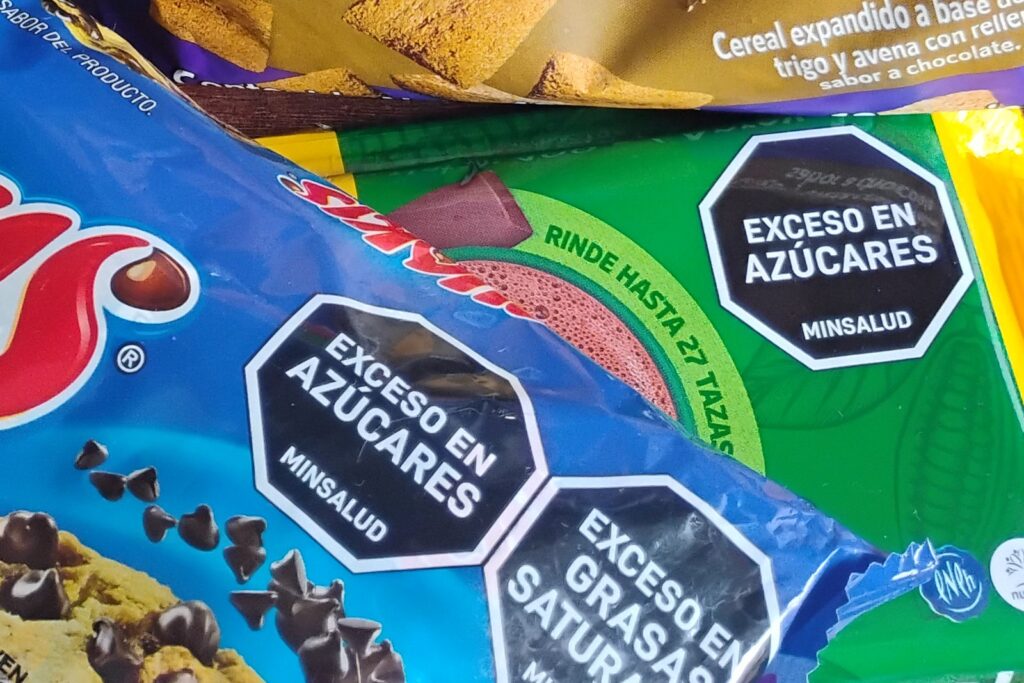
Colombia has taken steps to address obesity through the introduction of front-of-package warning labels, which alert consumers to foods high in sugar, sodium, and saturated fat. These labels are part of a broader strategy aimed at improving nutritional literacy and encouraging healthier food choices. However, the impact of these labels on reducing obesity rates remains to be seen, as other countries have implemented similar measures with varying degrees of success.
For instance, Chile's comprehensive policy package, which included warning labels, marketing restrictions, and school food regulations, led to a 36.8% reduction in sugar product purchases and a 23.0% decrease in energy-dense food purchases. Mexico's sugar-sweetened beverage tax resulted in a 6% reduction in purchases in the first year, with consumption falling 12% below projected levels by 2014.
Australia's voluntary Health Star Rating system, aimed at grading foods from 0.5 to 5 stars, is currently under review, as its voluntary adoption did not meet its 2025 target.
To effectively combat obesity, Colombia must conduct a new national nutrition survey to update its data and assess the effectiveness of current policies. Additionally, it should consider implementing complementary measures, such as restrictions on marketing to children, school food standards, and taxes on sugary drinks to make nutritious food more affordable.
Comparing these strategies with successful examples from other countries like Chile, Mexico, and Australia can provide Colombia with valuable insights into effective public health interventions.
Written by urgent.news from Colombia One's reporting — not their text. Machine-written — may contain errors; check the original before relying on it.