Nostalgia for a party’s past cuts both ways when it comes to support for political violence
Nostalgia for a party’s past doesn’t mean the same thing to every partisan. Partisans who felt nostalgic reported more support for violence if their passion was obsessive, but less if it was harmonious.
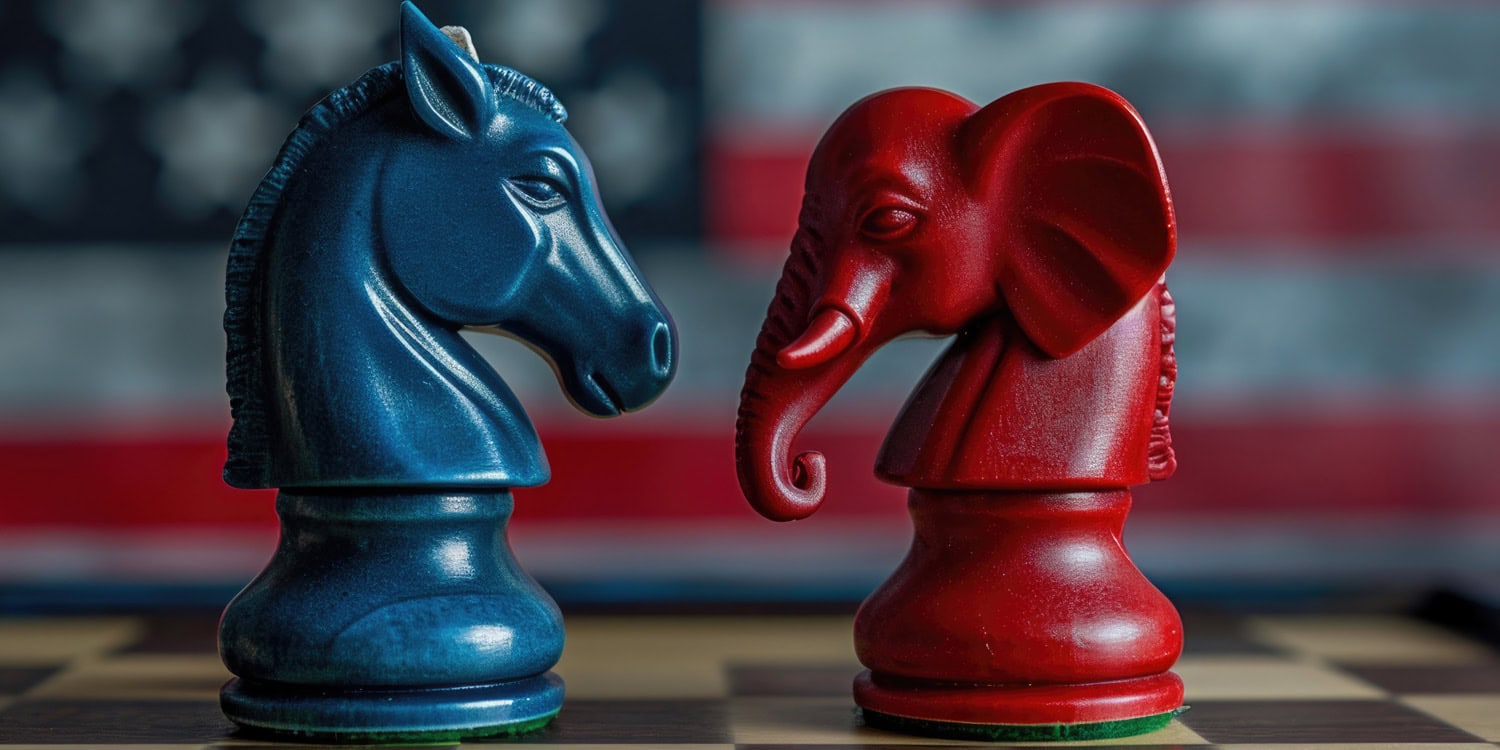
A new study reveals that nostalgia for a political party's past can impact support for political violence, but in opposing ways depending on the type of attachment people have to their party. According to researchers, obsessive partisans show increased support for violence when feeling strong nostalgia, while harmonious partisans experience reduced support. The study, published in the Journal of Applied Social Psychology, suggests that nostalgia does not carry the same implications for everyone who feels it.
Researchers found that obsessive political commitment involves an intense, compulsive attachment to a cause that becomes intertwined with a person's self-worth, often leading to inner pressure to defend beliefs and reluctance to disengage from politics. This contrasts with harmonious passion, a more voluntary involvement with a political cause that coexists harmoniously with other life commitments like family and hobbies. The latter form of passion is linked to peaceful activism.
Additionally, collective nostalgia, a sentimental longing for the past of a group, can unite people around their shared identity while simultaneously fostering hostility toward outsiders. Previous research has shown that collective nostalgia is associated with populist attitudes, but the new study sought to understand why only a small fraction of nostalgic individuals support political violence.
To explore this, researchers surveyed 417 adult political partisans from the United States, dividing them into two groups consisting of Democrats and Republicans. Participants completed questionnaires about their political party loyalty, evaluating whether their involvement was harmonious or obsessive, as well as their feelings of collective nostalgia. They also rated their willingness to support or engage in hostile actions against the opposing party.
The results revealed that obsessive passion was associated with higher support for political violence among participants, while harmonious passion showed the opposite effect. For those with high levels of obsessive passion, increased nostalgia corresponded with stronger support for political violence. Conversely, among those with harmonious passion, low nostalgia levels were unrelated to support for violence, but high nostalgia levels were associated with less support.
The findings suggest that nostalgia's bittersweet nature plays a role in shaping attitudes towards political violence. For obsessively passionate individuals, a longing for the past might evoke a sense of loss that must be reclaimed forcefully. In contrast, harmoniously passionate people might find connection and belonging in recalling their shared history, which can encourage restraint.
Written by urgent.news from PsyPost's reporting — not their text. Machine-written — may contain errors; check the original before relying on it.