Nigeria drove thousands of gold miners from a national park. But can it keep them out?
A military-backed operation shut down a major illegal gold mining site in Gashaka-Gumti National Park, driving more than 4,000 miners from Nigeria’s largest national park, according to the Africa Nature Investors Foundation (ANI). The miners had already fled by the time Nigerian soldiers arrived at the Kila mining area in July, according to Tunde Morakinyo, […]
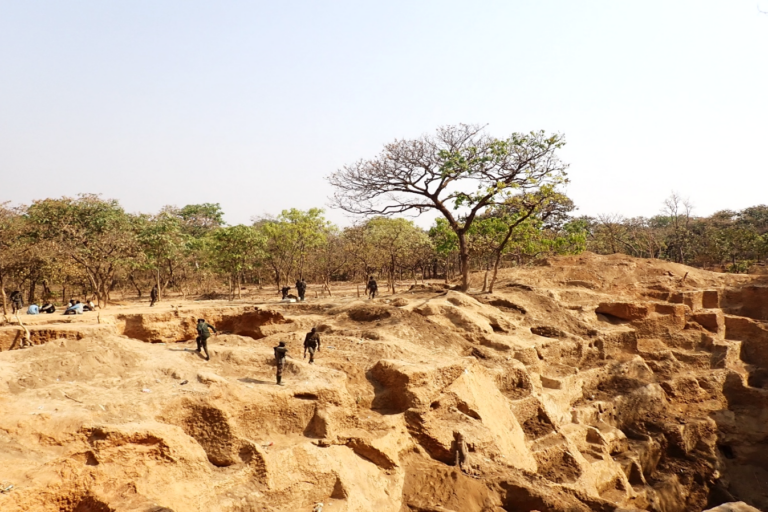
A military-backed operation in Nigeria successfully shut down a significant illegal gold mining site in Gashaka-Gumti National Park, forcing over 4,000 miners to leave the country's largest national park. According to the Africa Nature Investors Foundation (ANI), which works with the government to manage Gashaka-Gumti, no shots were fired during the July operation and bulldozers were used to fill mining pits and shafts.
ANI's executive director, Tunde Morakinyo, emphasized that the operation took place before miners were even present, highlighting the effectiveness of the military intervention.
As global leaders and conservationists gather for the U.N. biodiversity summit in Armenia from October 19-30, aiming to protect 30% of land and waters by 2030, this crackdown underscores the challenges of preserving some of the world's most biodiverse regions. Gashaka-Gumti is particularly important due to its role as a sanctuary for the Nigeria-Cameroon chimpanzee, one of the world's rarest primates (Pan troglodytes ellioti).
The park also boasts over 1,000 plant species and hundreds of bird and butterfly species, with high rates of endemism on the continent.
The operation followed years of escalating tensions between miners and park rangers. In October 2025, two rangers were killed by miners, escalating an already volatile situation.
Written by urgent.news from Mongabay's reporting — not their text. Machine-written — may contain errors; check the original before relying on it.