MP's Dhar ₹1,353 Crore Dahi Irrigation Project To Benefit 1.26 Lakh Farmers Across 126 Villages
Dhar (Madhya Pradesh): The Rs 1,353.18-crore Dahi Micro-Lift Irrigation Project is set to provide irrigation facilities to 126 villages across Dhar and Aalirajpur districts, benefiting approximately 1.26 lakh farmers. Construction was completed on June 30, 2026, and testing is underway. The project will supply irrigation water to around 47,000 hectares of agricultural land, supporting Rabi crops…
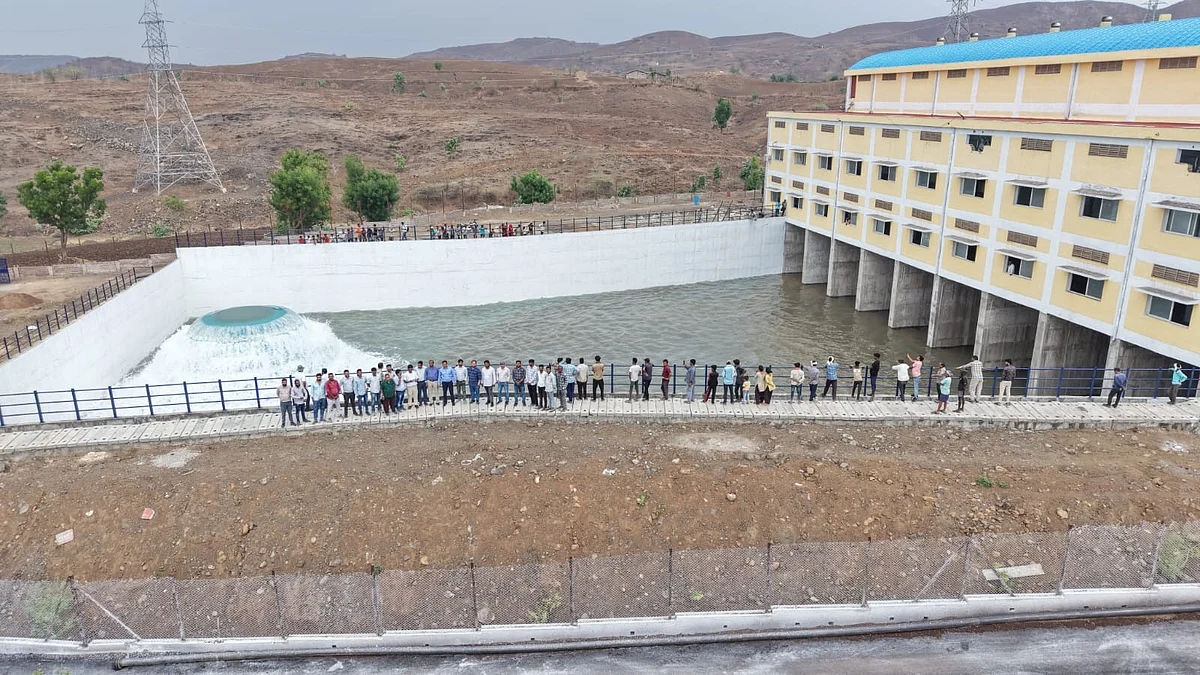
The Indian government has allocated Rs 1,353.18 crore for the Dahi Micro-Lift Irrigation Project in Madhya Pradesh's Dhar district, which aims to benefit around 1.26 lakh farmers across 126 villages in both Dhar and Alirajpur districts. The construction of this project was completed on June 30, 2026, and testing is currently underway.
The project's primary objective is to provide irrigation facilities to approximately 47,000 hectares of agricultural land, which will be crucial for Rabi crops and can potentially reduce farmers' reliance on rainfall.
The Dahi Project involves the transportation of water from the Narmada River near Katarkheda village to the fields through a vast underground pressurized pipeline network. This infrastructure includes five pump houses, about 58 kilometers of rising mains, and an extensive 3,475 kilometers of distribution pipelines. The project will cover Kukshi, Dahi, Jobat, Sondwa, and Alirajpur tehsils, ensuring that farmers in these areas can enjoy improved irrigation for crops such as wheat, gram, vegetables, and fodder.
Beyond the immediate agricultural benefits, the Dahi Micro-Lift Irrigation Project is anticipated to have a broader impact on the rural economy. By encouraging crop diversification, the project is expected to contribute to increased agricultural production and bolster the economic well-being of the rural population, especially in tribal-dominated areas.
To ensure the project's continuous operation, the executing agency will maintain it for a period of five years following its completion. To power the project, it will require 58.87 megawatts of electricity, with power supply arrangements facilitated by substations in Kukshi and Jobat.
Written by urgent.news from Free Press Journal's reporting — not their text. Machine-written — may contain errors; check the original before relying on it.