Modi under pressure as India’s youth protests rise to highest level in a decade
Despite tens of thousands of security personnel deployed to stop them, youth protesters in India scaled barricades last week, chanted anti-government slogans and scuffled with police officers trying to drag them away. “Long live the revolution,” shouted one young man before police bundled him into a bus. Street protests in India this year are likely to be higher than at any time in the past…
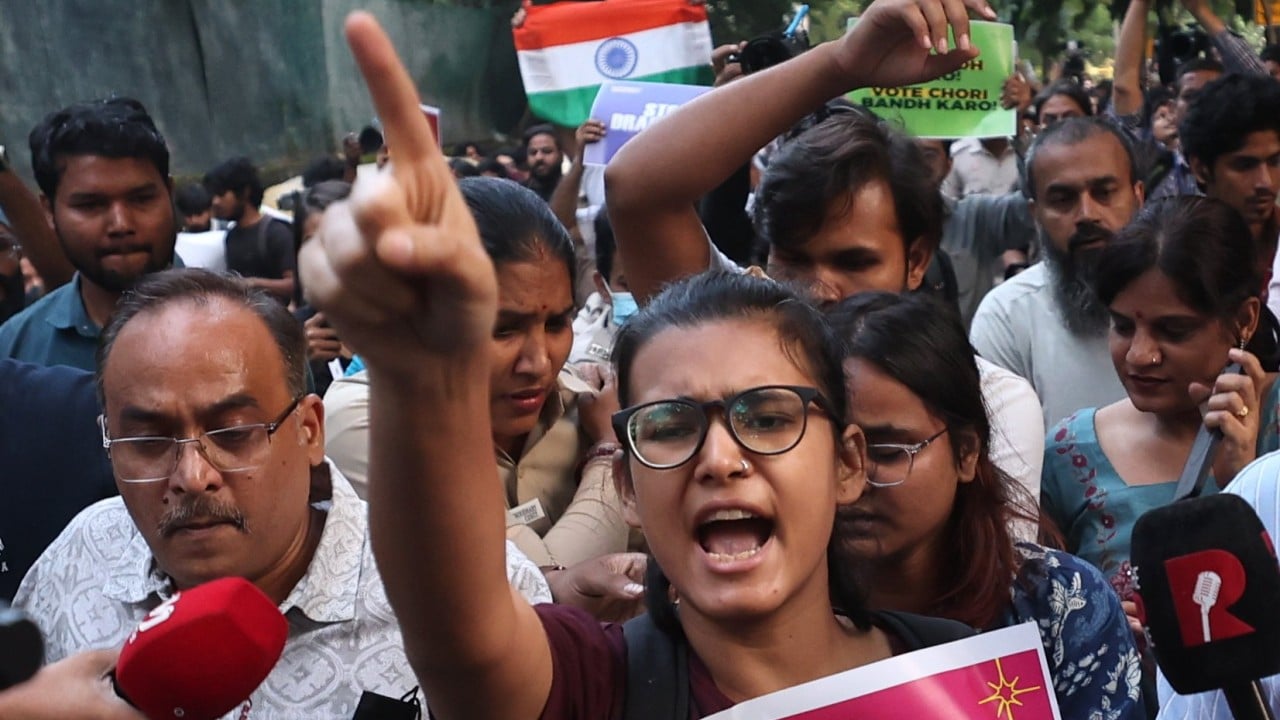
Tens of thousands of security personnel have been deployed to thwart youth protests in India, yet demonstrators have managed to breach barricades, shout anti-government slogans, and confront police officers attempting to remove them. "Long live the revolution," declared one young activist before being bundled into a police vehicle.
Last year, protests across India are expected to surpass any recorded in the previous decade, according to the independent Armed Conflict Location and Event Data Project. Dissent against Prime Minister Narendra Modi's administration is on the rise as younger generations, comprising nearly a quarter of the country's 1 billion voters, take to the streets.
Analysts say this surge in youth-led protests constitutes the most significant crisis for Modi since his ascension to power in 2014. Despite the unrest, the government remains stable, and the next general election is not scheduled until 2029.
Yogendra Yadav, an anti-government activist, remarked, "The nation has suddenly found its voice." Yadav, who has led demonstrations, stated, "I would not say this is the beginning of the end of the Modi regime, but this definitely is the beginning of a downward spiral." The ruling Bharatiya Janata Party (BJP) and the government have declined to comment on the protests, which primarily revolve around demands for the resignation of Election Commission chief Gyanesh Kumar over allegations that a voter roll revision favors the BJP in recent state elections.
The BJP and the government deny these claims, attributing their recent electoral victories to Modi's popularity and strong economic growth.
The protests are also indicative of broader discontent with Modi's administration, which has failed to create jobs for the millions of unemployed youth over the past twelve years despite robust economic growth. Issues such as leaked examination question papers, high rates of violence against women, and the proliferation of billionaire businessmen with ties to Modi have further fueled the anti-establishment sentiment.
Despite Modi's reputation as a strongman and the government's history of harshly suppressing dissent, young protesters display a newfound defiance. Ananya Raturi, a 21-year-old Delhi University student, said, "The fear in us is gone. We don’t fear being detained or beaten up by the police. This generation enjoys it."
The protests have been galvanized by the emergence of the Cockroach Janta Party (CJP), a youth-led movement that gained national traction this June after India's chief justice likened unemployed youth to "cockroaches." While mainstream media in India is largely pro-government and has limited coverage of the protests, thousands of youths equipped with mobile phones and independent news channels on YouTube have amplified the unrest, garnering internet fame for leaders such as CJP founder Abhijeet Dipke and firebrand activist Neha Bora.
Opposition parties, previously subdued under Modi's regime, have been revitalized, with Congress Party leader Rahul Gandhi joining the demonstrations.
The unrest has garnered comparisons to youth-led movements in neighboring Bangladesh and Nepal, which toppled governments in recent years. However, analysts caution that India's political landscape and Modi's popularity make such parallels imperfect. The primary grievance of the youth protesters is the lack of job creation, despite India's strong economic growth.
A decade after the Modi government's rise to power, many youths feel their aspirations for employment and prosperity have not been realized. The government has cited a 168.3 million new job creation figure in the six years leading up to 2024, but unemployment remains slightly above 5 percent, according to government data. Furthermore, a Reuters poll suggests that the data underestimates joblessness, particularly among the 367 million people aged 15-29.
Unemployment among graduates aged 15-25 is nearly 40 percent, and about one in five graduates aged 25-29 remains jobless. In May, the government's decision to invalidate examinations for national medical colleges, a pathway for the poor and middle class, sparked further unrest. Rubby Singh, a 30-year-old social activist in Delhi, lamented, "Repeated examination paper leaks have deeply damaged trust in the system."
Written by urgent.news from South China Morning Post's reporting — not their text. Machine-written — may contain errors; check the original before relying on it.
Also reported by 1 other outlet
- Amid CJP protests, a look at major India stirs that succeeded, failed indianexpress.com