Millions may be forced to move as climate change hits South Asia: UN
NEW DELHI: Climate change is threatening livelihoods and forcing people from their homes across South Asia, but technology and government action could help limit the damage, the UN migration chief said on Friday. Rising seas, flooding and drought threaten homes and farmland, Amy Pope, director general of the International Organisation for Migration (IOM), said during a visit to New Delhi. In the…
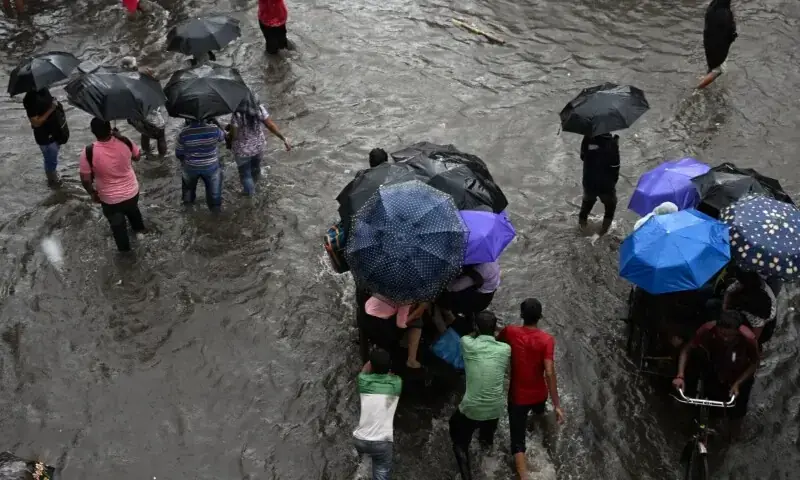
NEW DELHI: Climate change is displacing people and jeopardizing livelihoods throughout South Asia, according to the UN Migration Agency's chief. Rising sea levels, flooding, and drought are endangering homes and agricultural lands, warned Amy Pope, director general of the International Organisation for Migration (IOM). In Nepal's Himalayas, a mountain and glacier collapse in August 2026 triggered deadly flooding, prompting IOM to provide humanitarian aid.
In a worst-case scenario, up to 40.5 million individuals across South Asia could be forced to relocate by 2050, the IOM predicts. "When they can't produce food, when they can't feed their livestock, it increases the likelihood of displacement," Pope explained. Climate change is also driving urbanization in India, with people moving to cities in search of shelter from the heat.
Pope emphasized that technology and government action could mitigate the damage. "The first adaptation is often for people to move," she stated. The risks are especially severe in South Asia, where a large population and limited resources leave many communities vulnerable. Pope criticized the global lack of urgency in addressing the plight of vulnerable communities, emphasizing that funding to prepare for climate change remains insufficient.
"The cost of a humanitarian disaster is in the billions. The cost of investing in resilience measures can be far less," she warned. Better data and artificial intelligence could assist governments in identifying communities at risk before disasters occur, Pope added. "With advancements in AI forecasting, you can now better anticipate those communities that are at high risk of displacement," she stated.
By integrating weather forecasts with information on local livelihoods, authorities can pinpoint which communities need assistance. Interventions could entail enhancing farming techniques, providing alternative employment training, and relocating communities if necessary. Securing funding for these initiatives poses a significant challenge, Pope noted, as governments often struggle to navigate the systems for climate adaptation financing.
While India's investments in early-warning systems, disaster response, and technology are promising, no single government can tackle the scale of the problem alone. Pope also highlighted the potential for international migration to provide economic opportunities while addressing labour shortages abroad. However, she cautioned that the growing demand for workers must be accompanied by safe, legal pathways to employment.
Written by urgent.news from Dawn's reporting — not their text. Machine-written — may contain errors; check the original before relying on it.