Legal aid cuts jail time for undertrials, but help often arrives late
Reaching prisoners soon after arrest is key if free legal aid is to reduce the human and economic costs of pre-trial detention
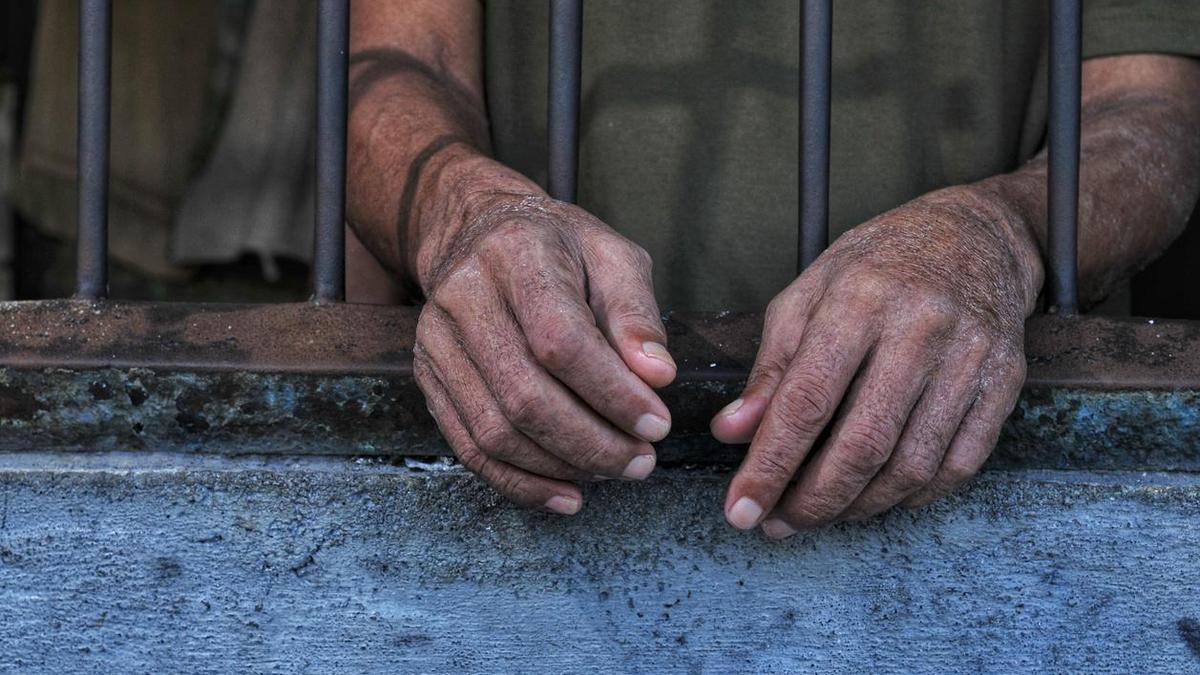
India's legal aid cuts jail time for undertrials, but assistance often arrives too late, leaving prisoners behind bars for extended periods, despite the country's relatively low incarceration rate. With about 41 prisoners per 100,000 inhabitants, India ranks fourth globally in the share of undertrials in its prison population. Many of these detainees are impoverished, lacking education, or belong to marginalized communities, forcing them to remain behind bars not due to guilt but inability to navigate the system or afford legal representation.
Free legal aid, mandated by the Legal Services Authorities Act of 1987, is intended to rectify this imbalance. However, limited outreach, low awareness, and uneven quality persist, preventing timely assistance for many undertrials.
A legal aid program implemented in eight Maharashtra prisons since 2018, run by Prayas (Tata Institute of Social Sciences) and the Fair Trial Fellowship (National Law University, Delhi), and funded by the Azim Premji Foundation, sheds light on the efficacy of such aid. Analyzing records of over 22,000 undertrials assisted, the program found that typical participants are aged 29, with only primary education and 18% are women, while 57% work as casual wage laborers.
Comparing program outcomes to district court records in Maharashtra, and using national labor force and time use surveys, the cost of detention was estimated. Program participants secured bail more frequently than average applicants, with 84% of bail applications approved in 29 districts, compared to 26% of all applications in district courts between 2015 and 2020. The gap persisted within categories of offense severity.
However, timing is critical. Participants spent an average of 171 days in jail before entering the program, and those released on bail averaged an additional 115 days in custody, totaling roughly eight months from arrest to release. In 2018, about 37% of Maharashtra's 26,898 undertrials had been incarcerated for more than a year.
The financial cost of detention is significant, with average losses reaching up to ₹2 lakh for some age groups, while over 60% of participants earn less than ₹80,000 annually. Detention costs rise with age and are highest among workers in their 50s.
The lingering question is: why do so many undertrials wait months for aid they are owed? Legal aid is often viewed as a rights issue, but these findings suggest it also has economic benefits. By aiding undertrials in filing bail applications, coordinating with advocates, gathering documents, and meeting release conditions, the program appears to mitigate procedural delays that prolong detention.
Shorter detention can alleviate prison overcrowding, reduce public spending on prisons, and minimize income losses for vulnerable households. Nonetheless, the most impactful lesson lies in timing. Legal aid can improve outcomes after intake but cannot undo the months already spent in jail. Identifying eligible prisoners at or soon after arrest could significantly enhance the program's impact.
Improved data would also help, as caste, religion, income, and migration status are missing for much of the sample, limiting the understanding of who benefits most. Rigorous evaluation through comparing participants with similar defendants in court records, and tracking individuals post-release, would provide insights into the program's lasting effects.
As governments strive to expand access to justice, legal aid is most effective when provided early enough to prevent unnecessary detention.
Written by urgent.news from The Hindu's reporting — not their text. Machine-written — may contain errors; check the original before relying on it.