Landmark China trial gets 84% efficacy in treating cancer with cue from waste water tech
For patients with advanced, metastatic cancer that has progressed despite systemic therapy – options remain critically limited. Now, Chinese scientists are pointing to an unconventional therapeutic agent – the element iron. This idea originated in industrial waste water treatment: iron can react with hydrogen peroxide to generate hydroxyl radicals, which degrade various organic and toxic…
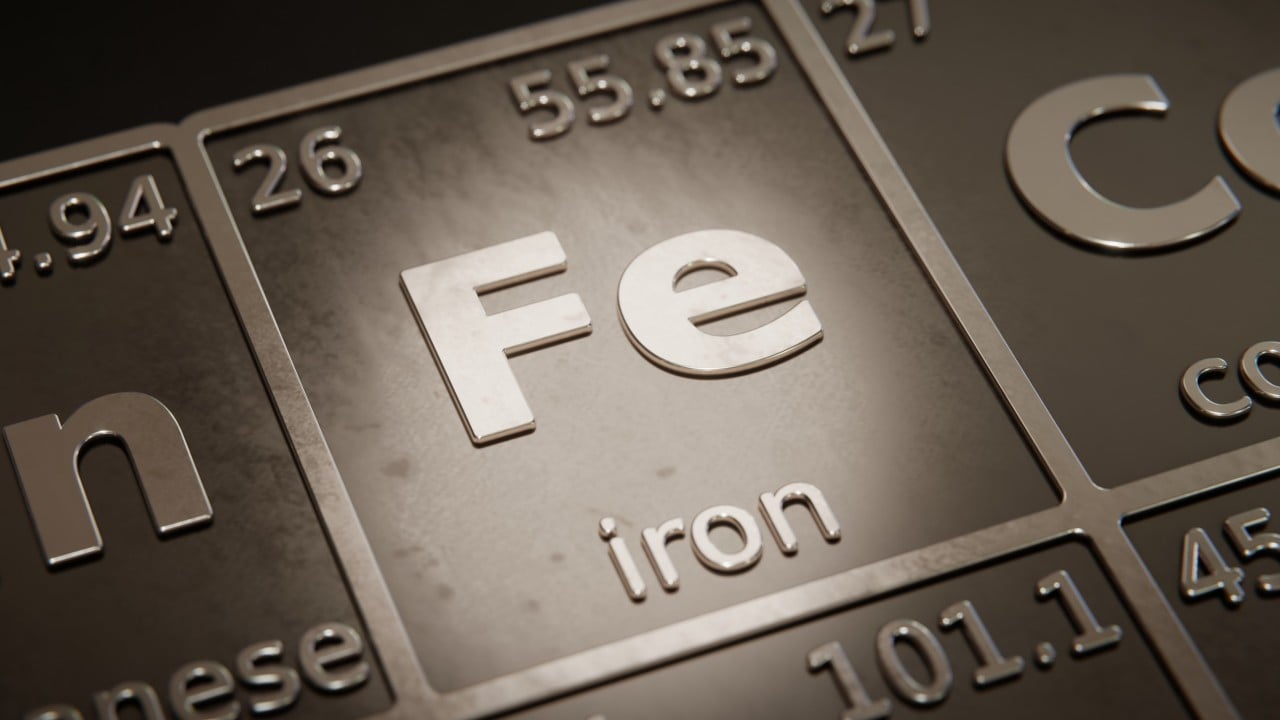
An innovative cancer treatment, called CNSI-Fe, demonstrated an impressive 84.2 percent efficacy in a groundbreaking clinical trial conducted across hospitals in China. This therapy, developed by Chinese scientists, combines iron with nano-carbon to create a unique injection called CNSI-Fe, or ferrous iron. The concept stemmed from industrial wastewater treatment, where iron reacts with hydrogen peroxide to generate hydroxyl radicals, which degrade toxic molecules.
In this trial, the iron-based CNSI-Fe was injected directly into the tumor sites of 19 patients with advanced, metastatic cancer who had not responded to standard systemic therapies. The treatment showed remarkable results, with 16 patients experiencing tumor growth cessation (84.2 percent). Two patients even witnessed tumor shrinkage, marking the first-ever evidence of this potential treatment.
The Phase I study was carried out by Professor Wang Yongsheng, the executive deputy director of the Cancer Centre at West China Hospital. The trial involved three hospitals in Sichuan, Hubei, and Shandong provinces. The infusion of CNSI-Fe remained stable for six hours after preparation and reached peak serum iron levels within half an hour.
Importantly, this targeted therapy selectively targets tumor cells while causing minimal damage to healthy cells, as normal cells possess antioxidant systems like glutathione that can repair membrane damage.
Previous experiments on animals had demonstrated the effectiveness of CNSI-Fe in inhibiting tumor growth in various cancer types, including colorectal, breast, and pancreatic cancer. The 19 patients in this trial had diverse tumor types, such as sarcoma, head and neck cancer, pancreatic cancer, non-small-cell lung cancer, ovarian cancer, breast cancer, and vulval cancer.
Among them, 16 patients had stage IV metastatic tumors, having previously undergone at least two rounds of systemic therapy like chemotherapy, radiotherapy, and immunotherapy.
The trial revealed an overall objective response rate of 10.5 percent and a disease control rate of 84.2 percent across all patients. The most common side effects were injection pain (89.5 percent) and hypertension (52.6 percent). One patient withdrew due to a hypersensitivity reaction. No severe adverse effects like heamatological, hepato-renal toxicity, or other common side effects from other cancer treatments were observed in this trial.
Professor Wang concluded that this study presents a first-of-its-kind Phase I trial to evaluate the potential of CNSI-Fe as a ferroptosis-inducing agent for treating refractory solid tumors. While the single-arm design has limitations, the results emphasize the need for further evaluation through randomized Phase II/III trials.
Written by urgent.news from Reuters Business via SCMP's reporting — not their text. Machine-written — may contain errors; check the original before relying on it.
This story
This is one outlet's version. Read the fullest account.