Johor Bahru’s rail network must follow demand, not politics
Without proper understanding, even expensive infrastructure projects can fail to deliver their intended benefits.
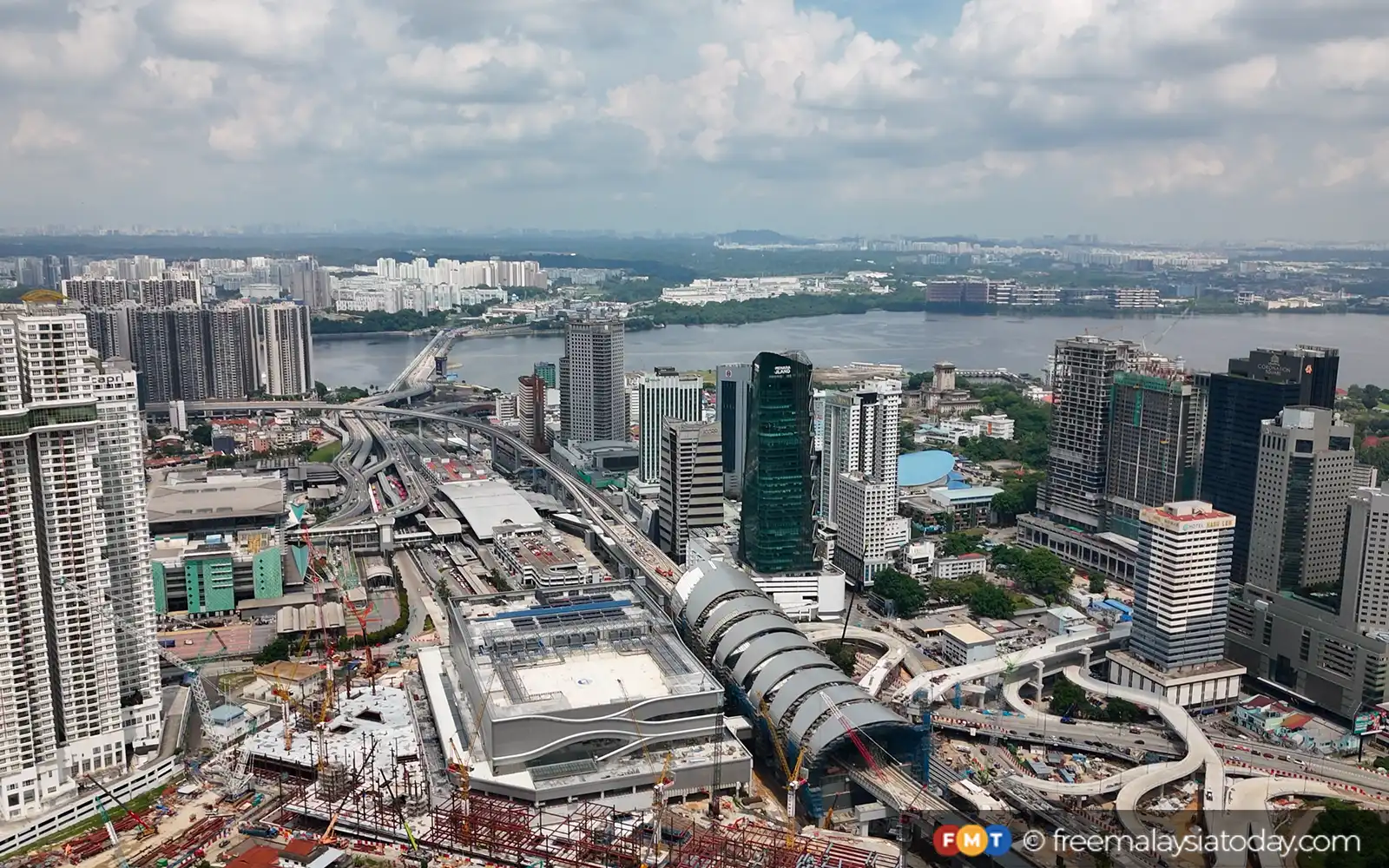
Johor Bahru's rail network requires a demand-driven approach rather than being influenced by political factors, according to a recent report. The Budget 2027 has allocated funds for public transport, with an aim to extend support to Johor Bahru and other state capitals by June next year. However, before proceeding with expensive infrastructure projects, a comprehensive demand assessment is crucial.
In Malaysia, transport planning has predominantly been biased towards road transport, often driven by federal government decisions and funding, overshadowing political considerations.
The Johor Bahru-Singapore corridor exemplifies this issue. For years, the demand for travel between the two cities has outpaced the capacity of current infrastructure and services. Thousands of people commute daily for work, business, education, and other activities, causing significant pressure on the Causeway. Despite numerous attempts to ease congestion through costly new technologies, such as QR codes for documentation processing, the problem persists, especially when systems fail.
The Tebrau shuttle service, which operates between Johor Bahru and Woodlands, serves as a potential case study. Although the train journey takes only five minutes, it has faced challenges such as limited seating capacity and ticket availability. Passenger waits can extend up to 1½ hours during peak hours due to long intervals between trains. This raises questions about why the existing railway service hasn't been upgraded more aggressively, given the substantial demand for cross-border travel.
The proposed RTS Link, expected to cut the journey time to about six minutes between Bukit Chagar and Woodlands North, holds promise. However, it should not be viewed as the sole solution to Johor Bahru's transport issues. The success of the RTS Link hinges on the seamless integration of passenger services to and from Bukit Chagar station.
This includes addressing concerns related to bus connectivity, pedestrian access, drop-off facilities, and overall public transport integration. Moreover, the RTS primarily caters to the cross-border corridor and does not address broader mobility challenges faced by residents within Johor Bahru and its surrounding areas. It remains essential to differentiate between enhancing a specific cross-border link and developing a comprehensive transport system for the entire city.
Written by urgent.news from Free Malaysia Today's reporting — not their text. Machine-written — may contain errors; check the original before relying on it.
Also reported by 1 other outlet
- Johor Bahru’s rail network must follow demand, not politics freemalaysiatoday.com