Is the brain actually 2 nervous systems smooshed together? A new study claims it is.
A recent study may reshape our understanding of brain evolution and open new avenues for studying neurological diseases.
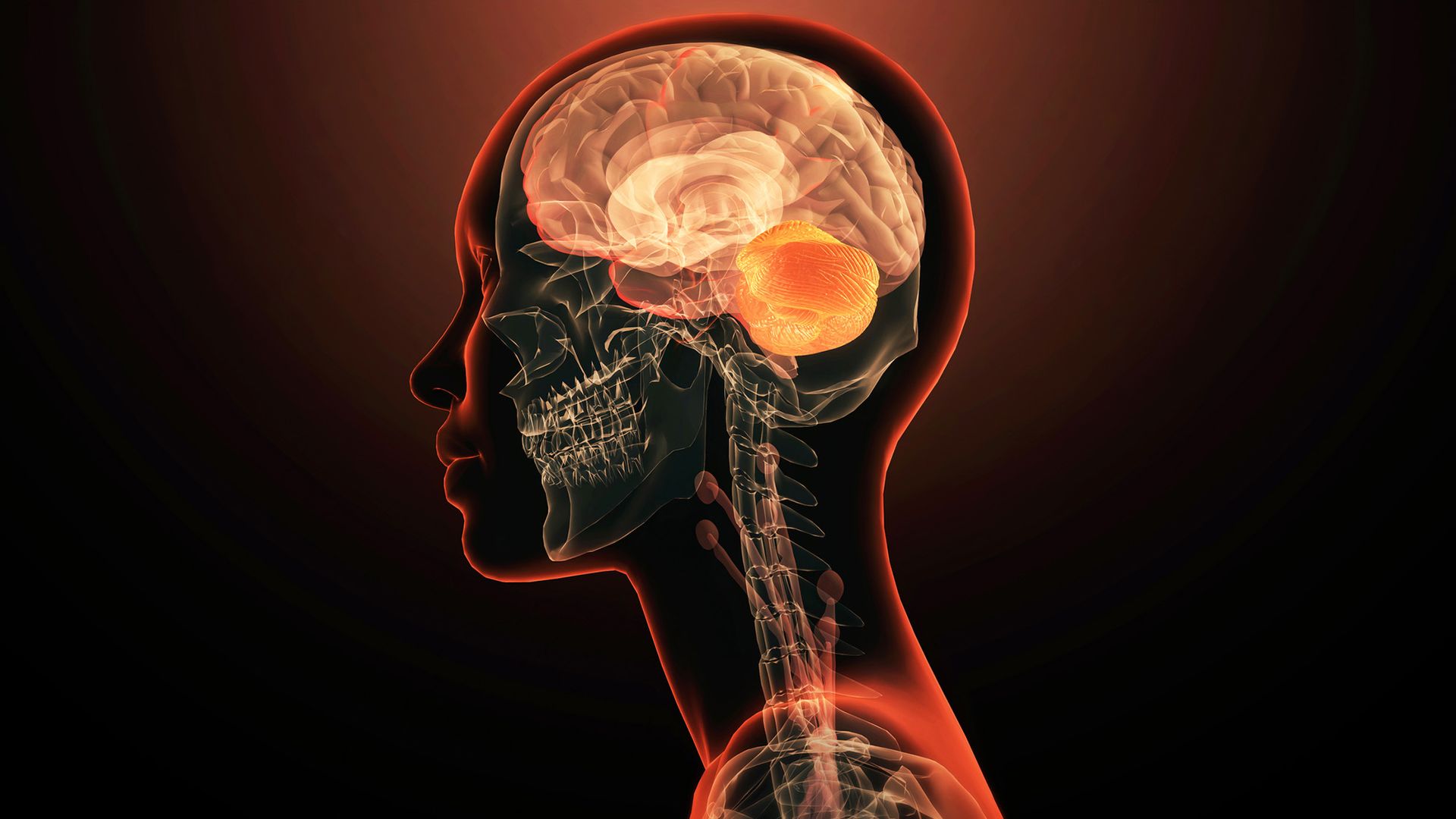
Researchers have discovered that the brain is formed from two distinct populations of cells, rather than a single source, challenging long-held beliefs about brain development. The study, published in Nature Neuroscience, reveals that the brain's front and back parts originate from different sources, which are then joined together to create the appearance of a single organ.
This groundbreaking finding could explain why scientists have struggled to generate certain types of brain cells in the lab and may offer new ways to investigate brainstem diseases. The study focused on embryonic development in mice, identifying two separate groups of immature cells that give rise to the brain. One population expresses a gene called Otx2, which directs forebrain and midbrain development, while the other group expresses Gbx2, involved in midbrain and hindbrain development.
These two populations remained separate as they developed into full-fledged nervous tissue, with distinct chromatin configurations further supporting their independent developmental pathways. The researchers successfully guided human stem cells to transform into functional hindbrain motor neurons, which could help investigate diseases that affect motor neurons, such as spinal muscular atrophy and amyotrophic lateral sclerosis.
The findings also suggest that the modular development of the vertebrate brain is fundamentally ancient, with similar two-cell populations found in other vertebrate species and even marine invertebrates like acorn worms.
Written by urgent.news from Live Science's reporting — not their text. Machine-written — may contain errors; check the original before relying on it.