iPhone 18 Pro Max vs iPhone 14 Pro Max: Is it finally time to upgrade?
I put the iPhone 18 Pro Max and iPhone 14 Pro Max to the test to find out what you actually gain by upgrading across a four-year gap.
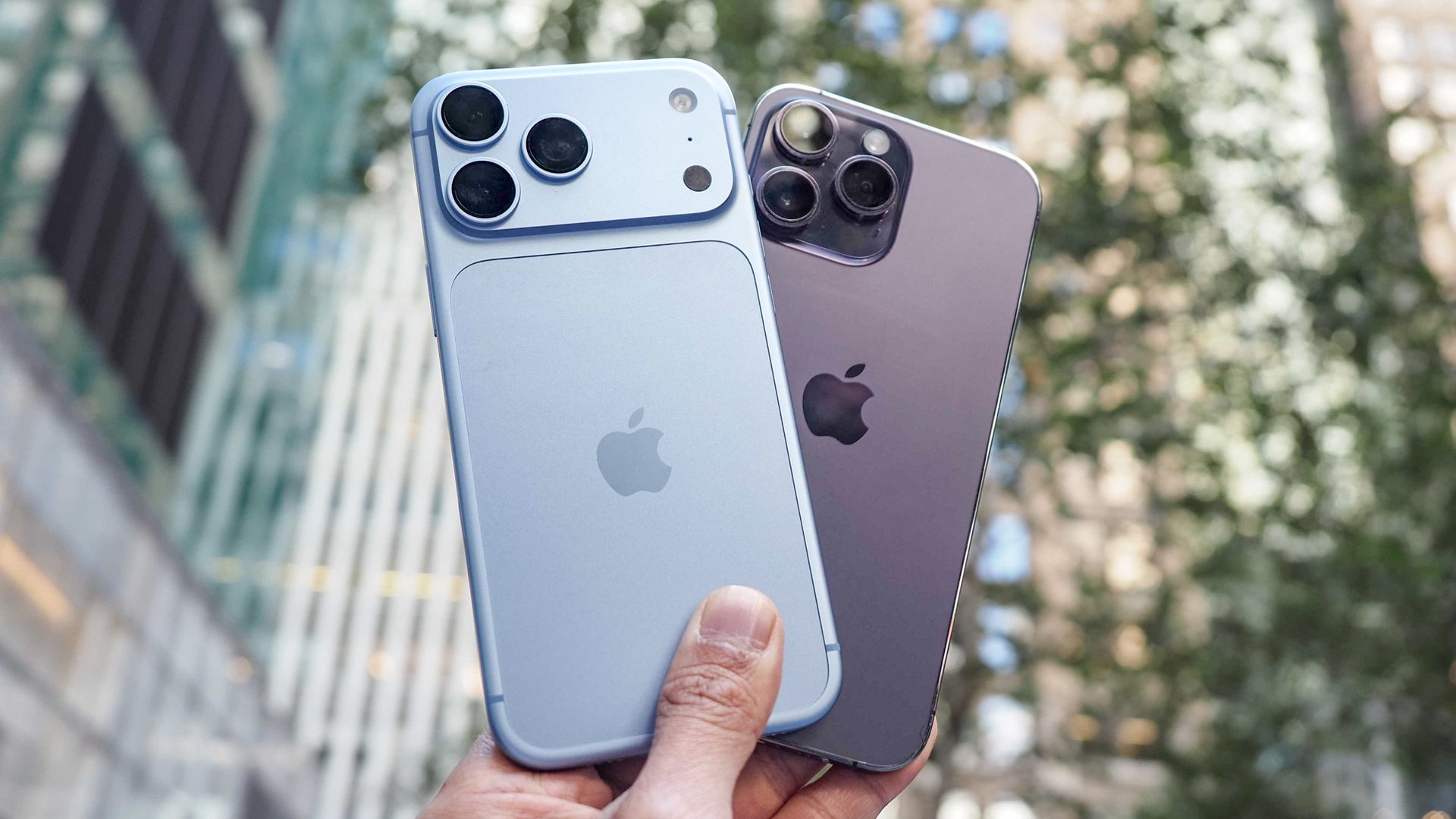
The iPhone 18 Pro Max and iPhone 14 Pro Max are two flagship smartphones that Apple released four years apart. The newer model boasts significant upgrades in camera technology, battery life, and overall performance. This article will compare the two devices side-by-side to determine if upgrading from the iPhone 14 Pro Max to the iPhone 18 Pro Max is worth it.
Camera performance is one of the most notable differences between the two models. The iPhone 18 Pro Max features a 48MP triple-camera system with a mechanical variable aperture, a brighter f/1.48 maximum aperture, and a wider field of view on the primary sensor. It also includes an upgraded 18MP Center Stage selfie camera. In contrast, the iPhone 14 Pro Max has a 12MP telephoto camera with 3x optical zoom.
Camera samples captured under various lighting conditions show that the iPhone 18 Pro Max consistently delivers sharper detail, better-exposed shadows, and cleaner results with less noise, particularly when zooming in.
Battery life is another area where the iPhone 18 Pro Max outperforms its predecessor. The newer model offers improved battery management and support for faster charging, resulting in longer runtimes between charges. However, the difference in battery life is not as drastic as the differences in camera performance.
Benchmark scores, which measure the overall processing power and efficiency of the devices, also show a clear advantage for the iPhone 18 Pro Max. It scores higher in both single-core and multi-core tests, indicating that it can handle more demanding tasks and applications more smoothly than the iPhone 14 Pro Max.
In conclusion, based on the evidence presented, upgrading from the iPhone 14 Pro Max to the iPhone 18 Pro Max appears to be a worthwhile investment for those looking to improve their camera experience, extend battery life, and benefit from enhanced processing power and overall device performance. However, the decision ultimately depends on individual needs and priorities, as holding onto a phone for five years is a viable option given the current state of flagship phone prices.
Written by urgent.news from Tom's Guide's reporting — not their text. Machine-written — may contain errors; check the original before relying on it.