Iowa Faces a Reckoning Over Water Quality and Cancer Rates in Midterm Campaigns
(MedPage Today) -- Iowa is facing a budget deficit, high costs, and economic strain from trade disputes that have squeezed farmers. But problems that have simmered for decades -- water quality and cancer rates -- have been forced to the forefront...
Iowa is grappling with a budget deficit, high costs, and economic strain stemming from trade disputes that have put a strain on farmers. However, issues that have lingered for decades, such as water quality and cancer rates, have recently gained prominence in the state's political landscape. These concerns are now a key part of debate questions, roundtable events, and campaign advertisements across the political spectrum.
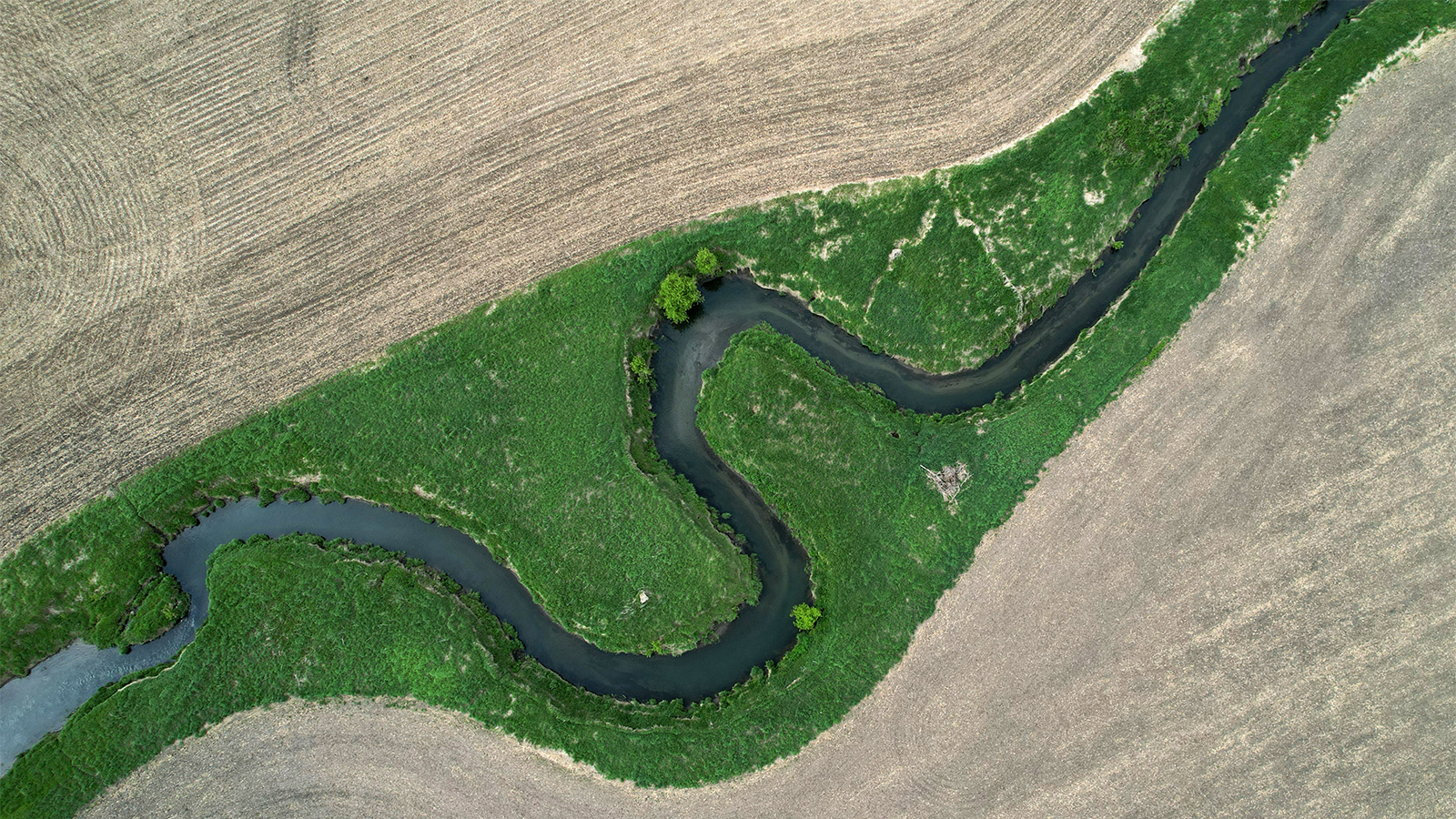
Water quality and pollution from agricultural runoff have long been a contentious issue in Iowa, with chemical fertilizers and animal waste containing nitrates and phosphorus that can contaminate rivers through rain or snowmelt. This problem has historically been politically sensitive, as it involves balancing the interests of Iowa's liberal urban centers, which rely on rivers and lakes for drinking water, with the mostly conservative agricultural sector that produces corn, soybeans, and hogs.
In recent years, the spotlight has sharpened on these issues due to back-to-back years of water use restrictions in the Des Moines area and the emergence of the Make America Healthy Again (MAHA) movement in Iowa's small towns and rural communities. Cancer rates in Iowa are notably high, ranking second in the country for newly diagnosed cancers.
Certain types of cancer, such as prostate, breast, and lung cancer, are increasing faster than the national average. While demographic and behavioral factors like smoking and binge drinking contribute to these rates, researchers are now focusing on environmental factors, including nitrate levels in the water.
Some researchers believe that most, though not all, of Iowa's above-normal rates for five cancers can be attributed to environmental factors. This has led Democratic U.S. Senate candidate Josh Turek to emphasize the need for clean water, stating that every Iowan deserves tap water that is free from cancer-causing contaminants. While the U.S. Environmental Protection Agency does not currently classify nitrates as a cancer risk, some studies have found a potential link between nitrates in drinking water and certain diseases.
On the Republican side, Congresswoman Ashley Hinson has acknowledged the need for investments in infrastructure, water quality monitoring, and conservation programs to ensure safe drinking water for Iowans. She emphasized that water quality is not a partisan issue.
Agricultural runoff is a significant contributor to river pollution in Iowa, exacerbating the political tensions over this issue. In 2018, the Des Moines area's water utility sued upstream counties to help cover the cost of nitrate removal, but the case was ultimately dismissed. Last year, Central Iowa Water Works implemented a ban on lawn watering to reduce demand on its nitrate removal facilities.
State politicians have rejected suggestions of blaming farmers for the pollution, emphasizing that the issue is non-negotiable.
Despite this, critics argue that progress has been slow, particularly in implementing farming conservation practices that reduce runoff. Republican candidates Zach Lahn and Republican Governor Kim Reynolds have both made water quality a central issue in their campaigns, although Lahn has directly linked polluted water and agricultural chemicals to Iowa's cancer crisis.
Lahn has tested his well water and a nearby creek, finding nitrate levels that exceed federal limits. Democratic candidate Rob Sand has also highlighted water quality as a crucial issue in his campaign, referencing the importance of safe drinking water for all Iowans.
Written by urgent.news from MedPage Today's reporting — not their text. Machine-written — may contain errors; check the original before relying on it.