IMF chief says global outlook marked by ‘optimism and worry’ as Bangkok meetings end
BANGKOK, Oct 17 — International Monetary Fund chief Kristalina Georgieva said today this year’s Annual Meeti...
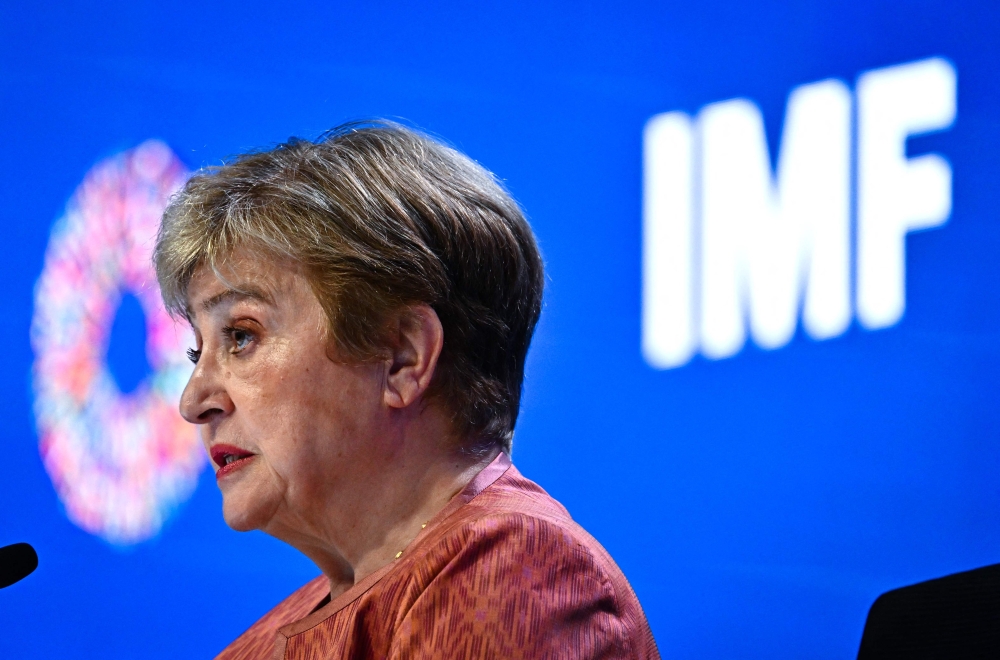
BANGKOK, Oct 17 — International Monetary Fund chief Kristalina Georgieva told reporters today that the IMF's annual gathering with global policymakers this year was a mix of optimism and concern regarding the global economic outlook. The IMF chief emphasized the importance of the organization in aiding low-income countries grappling with the repercussions of recent price surges triggered by the US-Israel war on Iran.
The Bangkok meetings this week gathered finance ministers, central bank officials, and other leading figures from around the world, with soaring inflation, escalating bond yields, and economic growth propelled by artificial intelligence as the primary topics of discussion.
Georgieva, speaking at a press conference alongside Saudi Finance Minister Mohammed al-Jadaan, noted that the meetings were characterized by both hope and apprehension. She highlighted the resilience of the global economy, the potential of AI, and the dynamism of Asia, but also recognized AI as a source of worry, alongside inflation, mounting debt levels, conflicts, and climate risks.
During the week-long IMF conference, the organization has been warning that high debt and rising bond yields in advanced economies are tightening financial conditions as central banks attempt to control inflation by increasing interest rates. Global energy prices have spiked since late February, following the US and Israel's initiation of the war on Iran, leading to retaliatory actions targeting the US's Gulf allies and restricting oil and gas supplies.
These price increases have had a global impact, contributing to inflationary pressures across various income groups.
The IMF has stated that low-income oil-importing countries, which are not benefiting from the AI investment boom that has fueled growth in many advanced economies, are the most vulnerable to the shock. Georgieva emphasized that people in these countries dislike inflation, calling it a "tax on the poor." She added that such countries needed to set spending targets that prioritize growth while protecting vulnerable populations.
The IMF has been pushing for more resources to be allocated to low-income countries, as rising global interest rates and bond yields have increased debt repayments for these nations, with the share of debt repayments as a percentage of government revenue rising from 8 to 14 percent for low-income countries in recent years.
To address these issues, Georgieva emphasized that the IMF's responsibility includes helping countries restructure debt when necessary, assisting with domestic resource mobilization, bringing in international finance, and creating an environment conducive to private investment. She stated that when the IMF does its best, it leads to improved lives for people.
On the subject of AI investment, Georgieva expressed admiration for the spirit of cooperation among AI companies, governments, and other stakeholders during discussions at the meetings in Bangkok. The focus has now turned to whether advanced frontier AI models require regulation and the implementation of guardrails, a question that has gained urgency following recent security incidents involving autonomous AI agents.
Written by urgent.news from Malay Mail's reporting — not their text. Machine-written — may contain errors; check the original before relying on it.