Hvilket ytre høyre får vi?
Det harde høyre kan være en trussel mot demokratiet – eller en del av det.

The right-wing phenomenon has not emerged suddenly; it has been ongoing for at least three decades. This political movement challenges the established parties, seeks to redraw the political landscape across Europe, and is currently on the rise. In the upcoming twelve months, several elections in Europe will take place, with the potential for parties like Vox in Spain and Marine Le Pen's National Rally in France to gain significant power.
Poland and Italy are also set to hold elections before 2027. While it is essential to recognize the differences between these right-wing parties, it is equally important to understand their distinct positions to determine how the rest of the political landscape will respond to them.
The hard right has clear weaknesses, including strict immigration policies, strong support for the nation-state, and the political establishment as the enemy. However, the differences between these parties are significant. The hard right is not merely a matter of degree but of deeply rooted and crucial political disagreements. In the European Parliament, the right-wing parties are divided into three groups: the European Conservatives and Reformists (ECR), led by Italy's Giorgia Meloni; Patriots for Europe (PfE), the largest group representing right-wing parties; and Europe of Sovereign Nations (ESN), which is the most radical, with members like Germany's AfD.
In Italy, the hard right has shifted politics to the right but within the framework of liberal democracy. Meloni collaborates with the rest of Europe in supporting Ukraine and opposing Russia's aggression while being critical of the EU. In contrast, Viktor Orbán of Hungary's Fidesz party lost the recent election due to economic weakness and widespread corruption.
However, Orbán weakened free press and civil society through the use of state power and was close to sabotaging European support for Ukraine on multiple occasions.
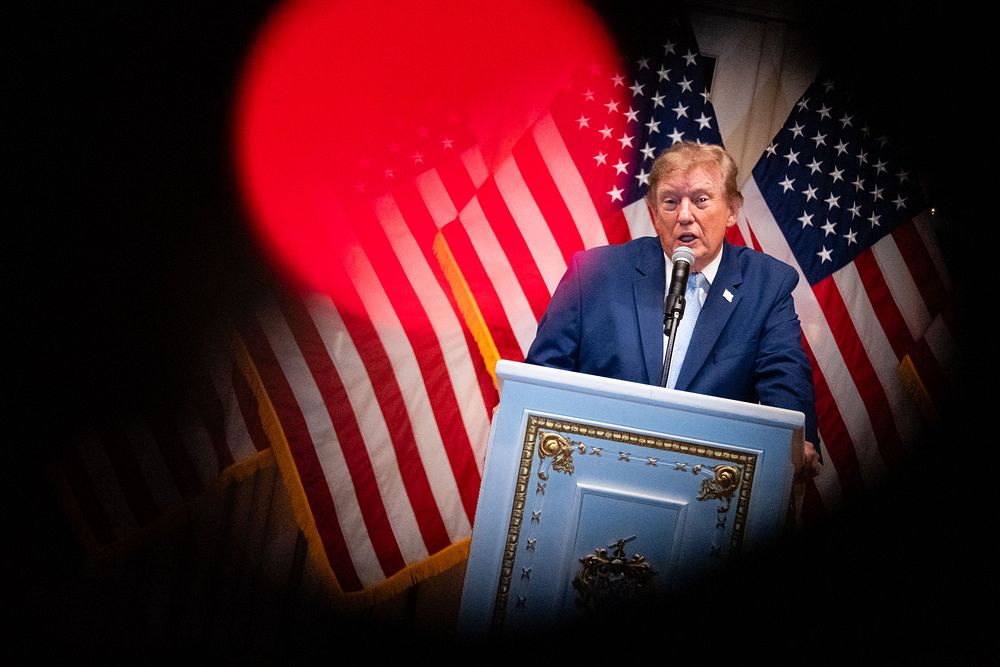
The contrast between Orbán and Meloni is evident. Orbán's Fidesz party lost the election earlier this year mainly due to weak economy and widespread corruption. Through several years, Orbán also used state power to weaken free press and civil society. He was also close to sabotaging European support for Ukraine several times. The contrast is also clear with Donald Trump in the United States, who challenged fundamental institutional rules and tried to undermine them by spreading the lie that he had actually won the 2020 election.
Some on the left and liberal center are preoccupied with describing where the hard right parties come from. The crucial point is what they do today. Meloni's party has fascist roots and cannot be ignored. Sverigedemokraterna, which has its roots in extreme, radical right-wing, but the crucial question is whether these parties today threaten liberal democracy or have become a part of it.
Parties must be criticized and confronted, and this is how democracy functions. However, within the next year and a half, it is unclear whether the hard right will retain power or come to power in several European countries. Whether there is a threat to democracy or if it is an expression of democracy in practice cannot be determined by putting all parties in the same boat. It must be determined by examining each individual party.
Written by urgent.news from E24 Norway's reporting — not their text. Machine-written — may contain errors; check the original before relying on it.