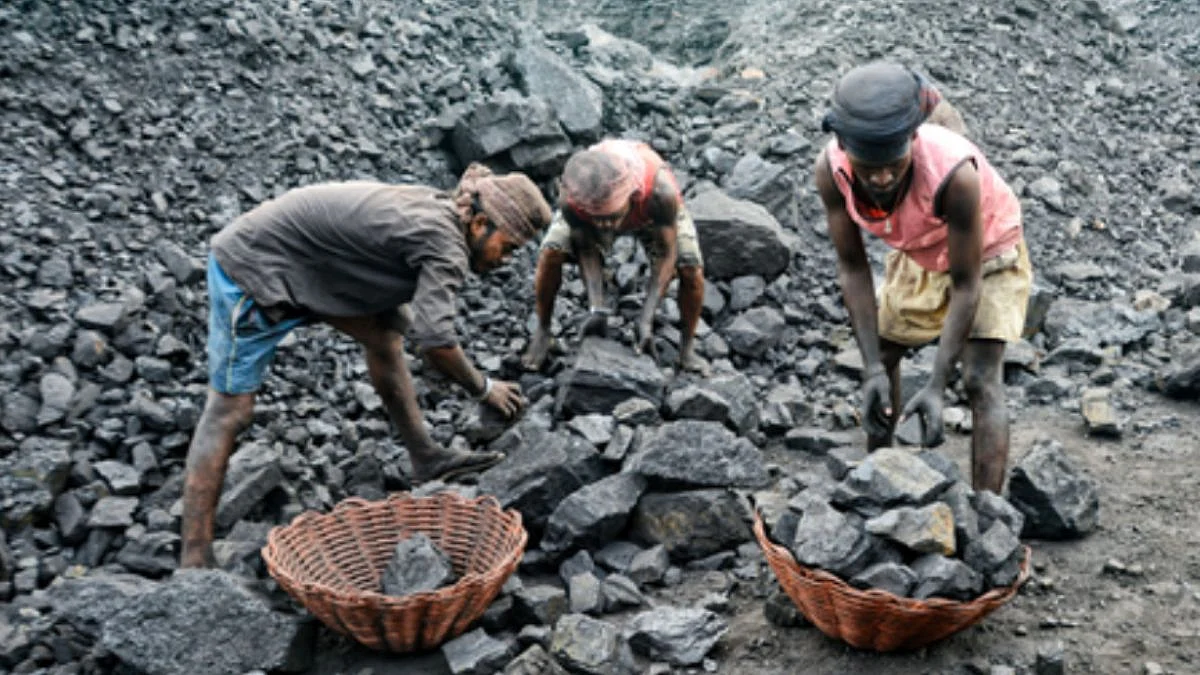
How commodity volatility is changing the economics of global retail expansion in India
Success will depend not on getting every decision right from the start, but on adapting as markets evolve

India's retail landscape has witnessed a rapid transformation, with international brands venturing into new cities, established retailers expanding their presence, and consumers embracing global formats and experiences. As brands look to achieve sustainable, profitable scale, the market has become increasingly complex to navigate.
Expansion decisions now encompass factors ranging from sourcing and commodity costs to real estate, logistics, and consumer pricing, thereby altering the economics of international retail expansion in India. Despite a significant opportunity still existing, the consequences of misjudging market entry strategy have become more severe.
Global brands are now shifting their focus from merely establishing a presence to constructing an expansion model that can remain commercially viable amidst evolving market conditions. Traditionally, the retail expansion playbook involved entering major cities, setting up flagship stores, partnering with master franchisees, and subsequently scaling store networks.
However, as costs and consumer demand have become less predictable, this model now demands increased flexibility. Brands venturing into India must prepare for the possibility that key assumptions might change during the expansion cycle itself. A successful India strategy now necessitates the ability to reprice, source, and reposition as market conditions fluctuate.
Store formats may require modifications, sourcing strategies may need reassessment, and the most suitable location might differ as real estate economics shift. Consequently, market entry should be perceived as an ongoing commercial process rather than a one-time launch. This paradigm change also impacts the role of international retail experience.
While global frameworks provide guidance, they must be customized to local consumer behavior, real estate dynamics, supply chains, and operating conditions. The most effective expansion models integrate a clear comprehension of the brand with the realities of the market it enters. Issues like commodity exposure, sourcing, pricing, real estate, and shifting consumer expectations do not vanish when a brand crosses a border; they simply assume different forms.
Building businesses capable of responding to these variables has become central to international expansion. Retail real estate is gaining prominence in this context. The question is no longer solely about where a brand should open its next store but rather what kind of retail ecosystem can generate sustained demand around it. Mixed-use development, which combines retail with leisure, hospitality, living, services, health, and wellness, can create multiple reasons for consumers to visit and return, thereby diversifying exposure across categories and enhancing overall ecosystem resilience when demand or costs shift in one segment.
India's diverse consumer markets make this broader approach a compelling consideration for brands as they evaluate their expansion strategies. Retail destinations can increasingly adapt to people's living, working, spending, and consuming habits, rather than being solely designed around retail. The subsequent phase of global retail expansion will focus more on building adaptable businesses rather than finding the ideal launch moment.
With markets becoming increasingly interconnected and operating conditions evolving at a faster pace, resilience is emerging as a commercial advantage. Despite India's retail opportunity remaining substantial, brands best positioned to capitalize on it will recognize uncertainty as an inherent aspect of international expansion and construct business models that can adapt to changing costs and consumer demand.
Success will hinge not on making every decision flawless from the outset but on adapting as markets evolve.
Written by urgent.news from Hindu BusinessLine's reporting — not their text. Machine-written — may contain errors; check the original before relying on it.