How AI is helping track lobsters when 'no two shells are the same'
Artificial intelligence technology capable of recognising individual lobsters is being used in a bid to strengthen consumer trust — and even break into new markets.
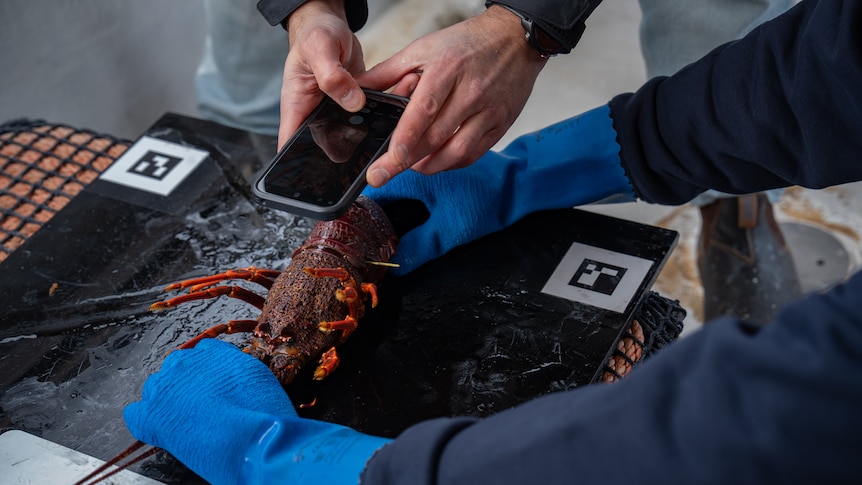
Scientists have unveiled artificial intelligence technology capable of recognizing individual lobsters. This innovation enables traceability from pot to plate, potentially enhancing consumer trust and opening new markets. The technology aims to benefit both the processing sector and the fishery. Joe Sayers, a commercial fisher, docked a boat laden with red, thorny, and live southern rock lobsters.
Tasmania catches nearly 1,000 tonnes of these lobsters annually, valued at $90 million. However, the industry faces challenges such as trade restrictions and a flooded domestic market with cheap lobsters. The University of Tasmania's Institute for Marine and Antarctic Studies, in collaboration with Lobster companies, developed this AI technology.
It functions similarly to fingerprint or facial recognition, identifying lobsters based on unique shell features. Photos of previously photographed lobsters yield instant recognition, while new lobsters are added to the database. Tracing a lobster from capture to market or restaurant is a significant achievement. This technology could empower consumers to photograph their lobster dishes and trace their origin.
Currently, scientists tag lobsters during population surveys, but this method is impractical for the industry due to tags being removed or forged. With AI, the identity of the lobsters remains intact as they are transported across borders. Researchers and industry experts are hopeful about the potential of this technology to enter new markets and bolster trust in existing ones.
Further advancements include recording additional information like sex, size, color, and defects, as well as assessing the vitality of lobsters. This digital tagging could replace physical tags, leading to real-time data collection. This innovation may not alter catch limits but will provide more accurate and timely data to support sustainable management decisions.
Written by urgent.news from ABC News AU's reporting — not their text. Machine-written — may contain errors; check the original before relying on it.