Has there ever been a mountain taller than Everest?
Mount Everest may be the king of the planet today, but has Earth ever thrust a larger mountain from its surface?
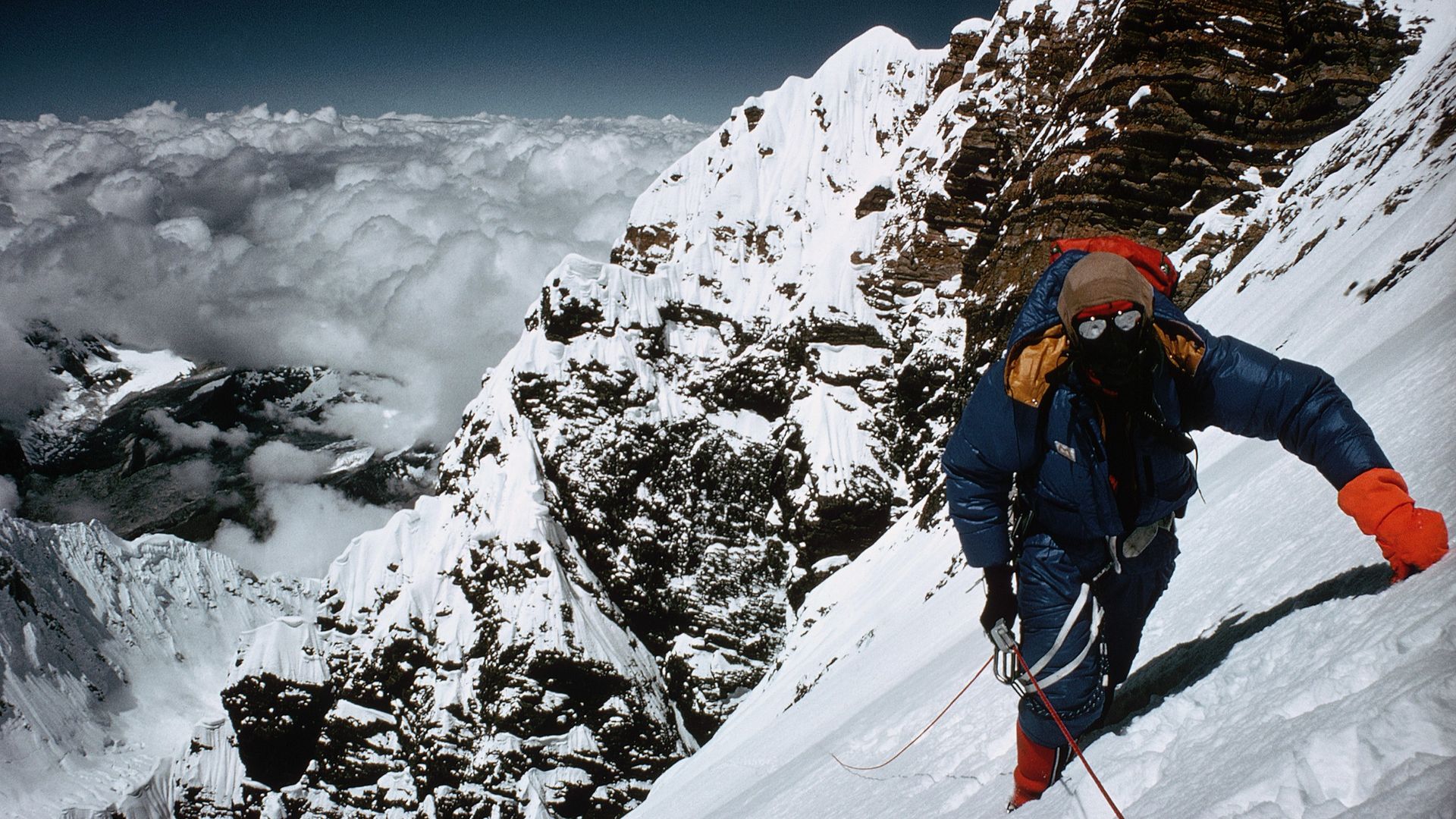
Mount Everest, standing at 29,032 feet (8,849 meters) above sea level, is currently considered the tallest mountain on Earth. However, there are geological clues suggesting that there may have been taller peaks in the past. Geologists study residual sediments within the Earth's crust to estimate the height of ancient mountains, which are essentially parts of the heavier continental crust that have been thrust upward as tectonic plates collide.
These deep roots, which can extend down as far as 50 miles (80 kilometers), indicate that mountains can reach heights greater than Everest before collapsing under their own weight. The Himalayas, for instance, have a crustal column that goes down as far as 50 miles, meaning that the world's tallest mountain represents only about 14% of the rock slab it's part of.
While the Transgondwanan Supermountain, an ancient range in what is now East Africa, emerged around 650 million years ago and was potentially three times longer than the Himalayas, the exact height of its peaks remains uncertain. Similarly, the Grenville Orogeny, which formed during the creation of the supercontinent Rodinia about 1.3 billion years ago, may have also produced towering mountains, but less is known about this extinct range.
The Himalayas are relatively young, having formed between 50 million and 40 million years ago, which contributes to their continued growth despite erosion. In summary, while there are geological hints that taller mountains may have existed in the ancient past, pinpointing the exact height of the tallest peaks remains a mystery due to the limitations of current scientific methods.
Written by urgent.news from Live Science's reporting — not their text. Machine-written — may contain errors; check the original before relying on it.