Get in the bin! UK Space Agency wants public to name its debris removal mission
ClearSpace UK aims to be operational in 2029 with public's suggestion etched on the side of the spacecraft
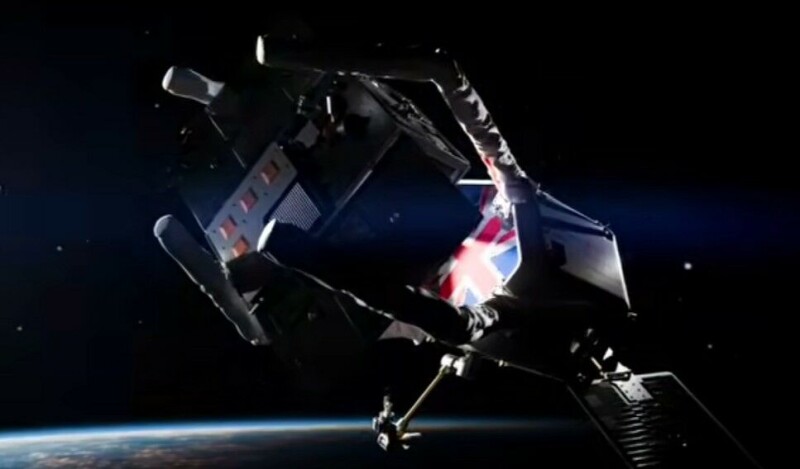
The UK Space Agency is seeking a name for its upcoming Active Debris Removal Mission, entrusting the process to the British public. The agency revealed the mission earlier this week, appointing ClearSpace UK as the lead organization. The objective is to eliminate two UK-owned satellites from Low Earth Orbit, commencing in 2029 and concluding by 2032.
The government has allocated over £60 million for the endeavor, anticipating its completion within the specified timeframe. The spacecraft will capture each satellite, maneuver it into a lower orbit for disposal through burning up in the Earth's atmosphere, and subsequently return to a higher orbit to prepare for its next mission.
The spacecraft's reusability allows the UK government to assert its potential to contribute to the ongoing efforts in space cleanup. Launch is scheduled from SaxaVord Spaceport in Scotland. However, the mission requires a name, a task left to the public. The agency provided examples of compelling project names, such as NASA's Mercury program, inspired by the Roman god, and Tim Peake's Principia mission, inspired by Sir Isaac Newton's Philosophiæ Naturalis Principia Mathematica.
The name must consist of two words and include a 150-word explanation detailing how it aligns with the mission's theme. The name must avoid backronyms, copyright or intellectual property infringement, offensive language, or anything deemed politically sensitive. The public's involvement in naming the mission is perceived as a high-risk, high-reward strategy, considering the abundance of dead satellites in orbit and the increasing significance of debris removal capabilities.
Rob Atchison, Managing Director of ClearSpace UK, commented, "Our next step is to design, build, and test a spacecraft capable of safely approaching a previously uncatchable object and gaining control over it."
Written by urgent.news from The Register's reporting — not their text. Machine-written — may contain errors; check the original before relying on it.