Germany: “Tobacco Tax Reform” to Make Smoking Far More Expensive
Smoking causes lung cancer and heart disease. Still, millions of Germans do smoke. Apart from ruining their health, they will have to pay even more soon.
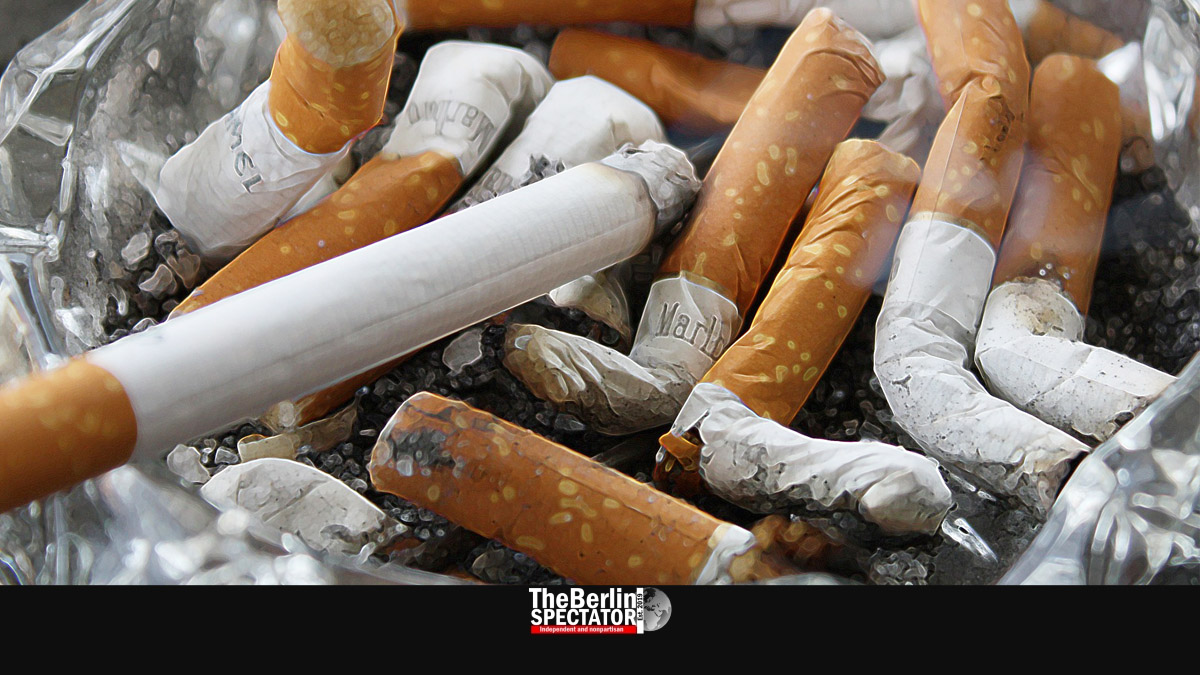
Germany has introduced a significant tobacco tax reform, aiming to make smoking far more expensive for millions of its citizens. Despite the well-documented health risks associated with cigarette consumption, many Germans continue to smoke, and the government hopes that higher prices will encourage them to quit or reduce their tobacco use. The reform, which was voted on by both the Bundestag and the Bundesrat, involves a series of tax hikes on cigarettes.
In 2002, a pack of 20 cigarettes in Germany already cost three Euro, but the price had risen to five Euro by 2012. Premium brands like Marlboro saw their price increase to six Euro in 2016, and it reached seven Euro by 2020. In 2023, the price rose to eight Euro per pack, and in 2025, it jumped to nine Euro. Currently, smokers pay 9.40 Euro for a pack of 20 branded cigarettes.
The primary goal of this tobacco tax reform is to decrease the number of smokers and deter young people from taking up the habit. While officially, the main aim is to reduce tobacco consumption, the reform will also result in increased fiscal revenue for the government. Smokers, who already pay VAT on every pack, will also bear the new tobacco tax, which the tobacco companies will pass on to consumers.
By the end of 2028, the average price for a pack of 20 cigarettes is expected to reach almost ten Euro, or 50 Euro Cents per cigarette.
Written by urgent.news from The Berlin Spectator's reporting — not their text. Machine-written — may contain errors; check the original before relying on it.