FSSAI proposes ban on added sucrose, fructose in foods for infants up to six months
Later, govt issues release stating that an infant getting early exposure to added sugars is a public health concern because of its potential implications for the development of dietary preferences and long-term dietary habits
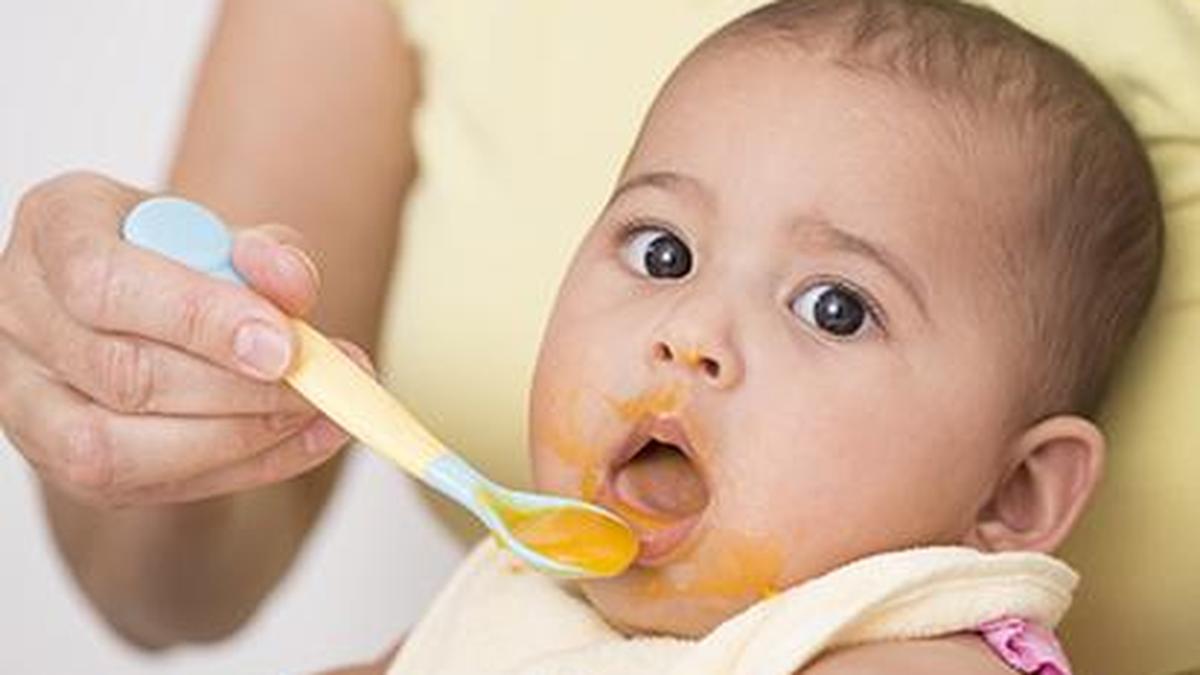
The Food Safety and Standards Authority of India (FSSAI) has proposed a ban on adding sucrose and fructose to food products for infants aged six months and younger. This regulation aims to safeguard infants' nutritional needs and prevent the development of unhealthy dietary habits that could lead to childhood obesity and related health issues.
The proposed amendment mandates that sucrose and fructose not be added to infant nutrition products, and instead, lactose and glucose polymers are the preferred sources of carbohydrates. The government emphasized that the first six months of an infant's life are crucial for growth and development, and appropriate nutrition during this period is vital.
The World Health Organization also recommends exclusive breastfeeding for this duration, followed by the introduction of nutritionally adequate complementary foods. FSSAI has issued a draft Food Safety and Standards (Foods for Infant Nutrition) Amendment Regulations, 2026, for public consultation and will consider the feedback before finalizing the amendment.
Written by urgent.news from The Hindu - Sci-Tech's reporting — not their text. Machine-written — may contain errors; check the original before relying on it.