Family Matters: The Secret History Behind Why Vincent van Gogh Cut Off His Ear
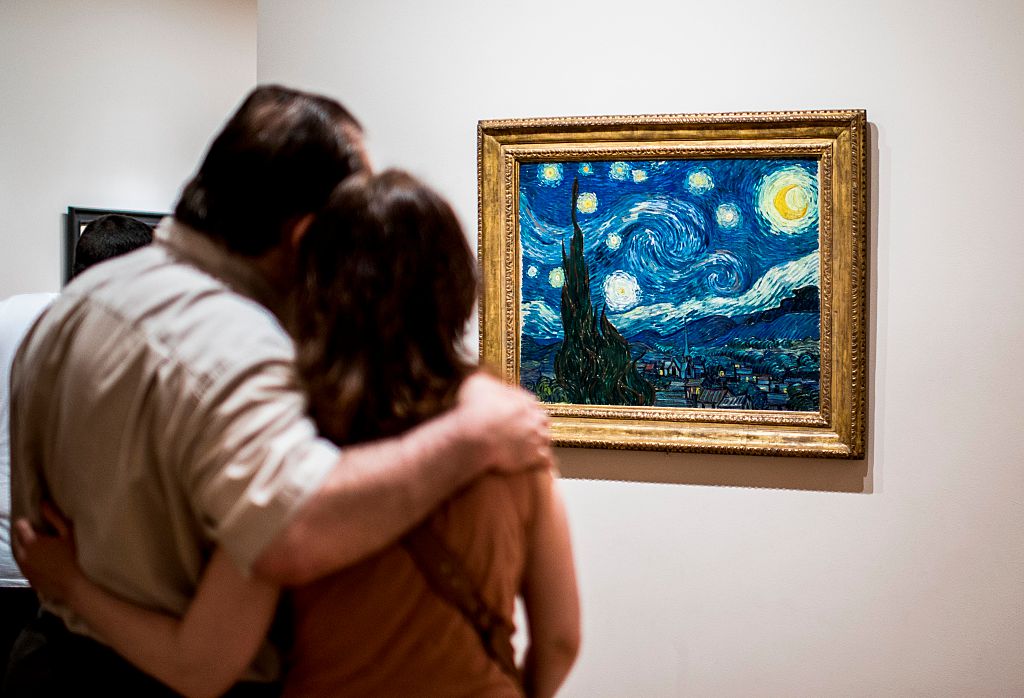
The Museum of Modern Art in New York was my destination, a place where numerous artworks by renowned artists from the late 19th and early 20th centuries, including Vincent van Gogh, Pablo Picasso, Paul Cézanne, and Georges Seurat, were on display. However, the focus of my research was a woman whose role in shedding light on three enduring questions about Van Gogh was lesser-known.
These questions pertained to why Van Gogh cut off his ear, why he committed suicide, and the transformation of his reputation from obscurity to that of a world-renowned artist. My method to gather insights was to observe visitors' reactions to his most famous painting, The Starry Night. This painting, filled with swirling hues of blue, green, and gold, proved to be a mesmerizing sight for many, including a visitor from Southern California named Paul Duelo, who had no formal art training but marveled at its impact.
Located next to The Starry Night was Paul Gauguin's painting, The Moon and the Earth. This juxtaposition sparked intriguing thoughts about the dynamic between the two artists, especially considering their turbulent relationship. Gauguin, known for his hot temper and competitive nature, had lived and worked with Van Gogh in his Paris apartment for several weeks.
The fervent response from visitors to The Starry Night, coupled with the contrasting reception given to Gauguin's work, raised questions about the perceptions and reception of their art.
Central to understanding the tragic end of Van Gogh's life is the figure of Jo van Gogh-Bonger. Through her diaries and letters, which have recently been made public by the Van Gogh Museum in Amsterdam, we gain a deep insight into her life and her pivotal role. She was married to Vincent's younger brother, Theo, who served as Van Gogh's sole source of income. Despite his talent, Vincent struggled financially, often in dire need of Theo's support.
In July 1890, succumbing to feelings of failure and despair, Vincent shot himself, leaving behind a wife and a baby. Six months later, Theo passed away from syphilis, leaving Jo as a young widow with a significant inheritance - over 400 of Vincent's artworks, many of which were initially regarded as commercially worthless. Jo, despite lacking formal art training, recognized the value of her brother's work.
She believed her brother was a genius and embarked on a mission to publicize his paintings through exhibitions, critical reviews, and the dissemination of his letters, which revealed his vulnerability and genius.
Written by urgent.news from Time's reporting — not their text. Machine-written — may contain errors; check the original before relying on it.