Europe Braces for a Winter Energy Crisis as Gas Reserves Run Low
After months of elevated energy prices, Europe can expect fuel costs to continue rising through the winter months as demand grows. Ongoing energy trade constraints and threats to energy infrastructure across the Middle East are expected to limit global energy supplies and continue to drive up prices, hitting consumers hard unless governments intervene. The European Union (EU) is thought to have…
Europe anticipates an energy crisis this winter as gas reserves dwindle, according to recent reports. Rising energy costs are expected to persist through the colder months due to heightened demand, ongoing trade restrictions, and threats to energy infrastructure in the Middle East. The European Union has already spent an additional 100 billion on oil and gas this year, resulting in a total energy cost increase of over 900 billion since 2022, despite a decline in overall demand.
The price of natural gas in Europe has more than doubled since the start of the U.S.-Israeli-led war in Iran.
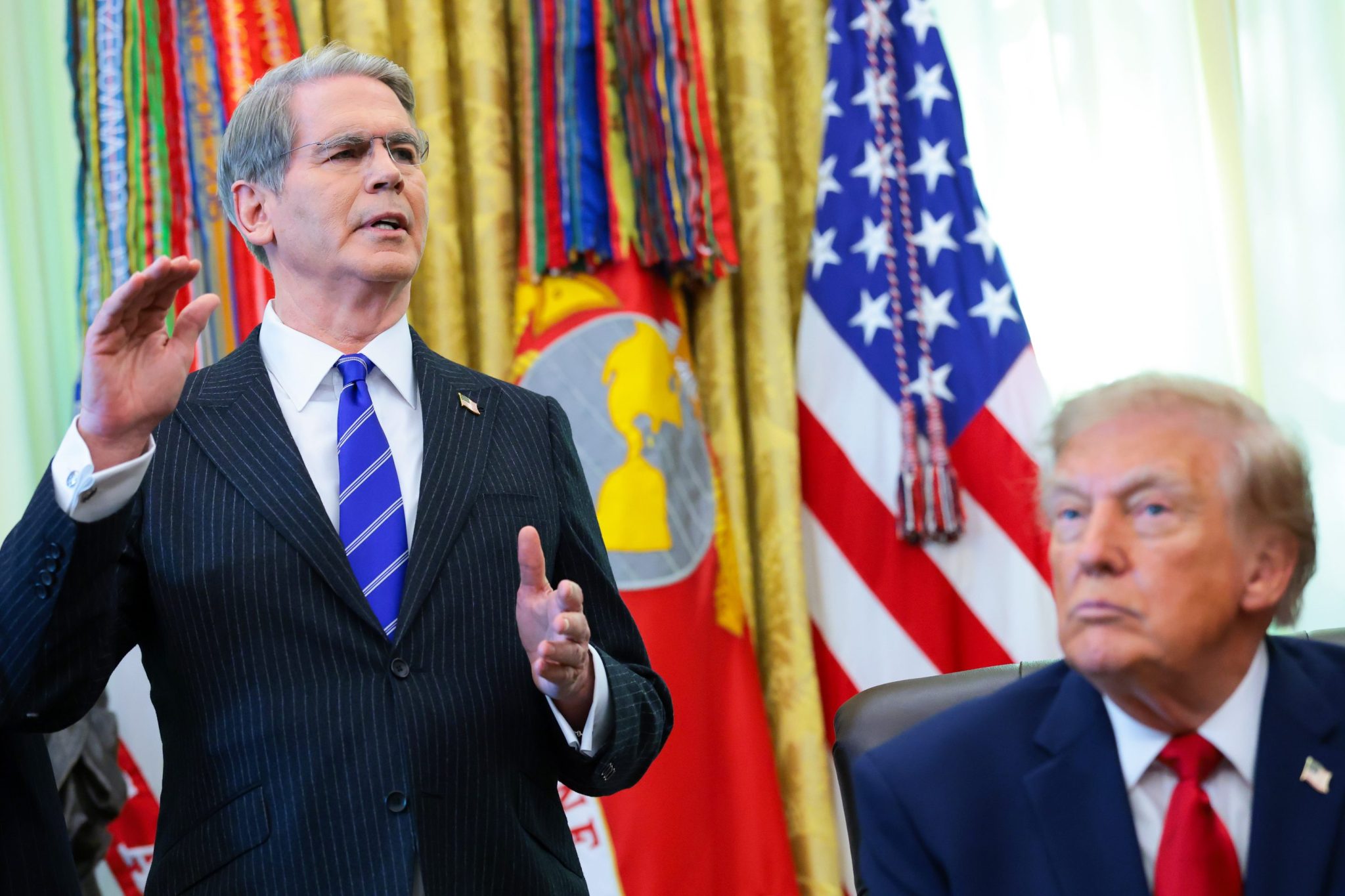
EU energy commissioner Dan Jorgensen has cautioned that the upcoming winter months may pose significant challenges due to the high oil and gas prices, although he maintained that no immediate supply issues are expected. However, Jorgensen proposed delaying the implementation of rules to reduce methane emissions from energy imports to alleviate pressure on European energy markets.
Gas storage levels in Europe have dropped to their lowest point since 2022, with September levels at around 67% full, compared to a seasonal average of approximately 80%. Germany, which holds the largest storage capacity in Europe, is currently operating at just half capacity and is unlikely to meet its 80% storage target this year.
The European Commission has called for consumers to reduce their energy consumption throughout the year to manage supplies. This winter, Europe faces potential fuel shortages and high energy prices, which may force consumers to ration their usage and could prompt governments to intervene to ensure access to essential energy supplies.
The ongoing conflict in Iran and the El Nio weather cycle further complicate the picture, as threats to fuel shipments through the Strait of Hormuz and energy infrastructure in the Middle East persist. This scenario may result in restrictions on global oil trade into 2027, with the United States focusing on increasing oil and gas production to mitigate some of the supply chain constraints.
Written by urgent.news from OilPrice's reporting — not their text. Machine-written — may contain errors; check the original before relying on it.