El Sisi insists he will leave office in 2030 as he outlines succession plan
Egyptian President Abdel Fattah El Sisi insisted on Saturday that he would not seek another term when his current mandate ends in 2030, as he outlined a plan to prepare a new generation of leaders to succeed him. "My term in office ends in 2030 and this is a given and will not change," Mr El Sisi told a military ceremony marking the graduation of new cadets. "But I will not abandon the state of…
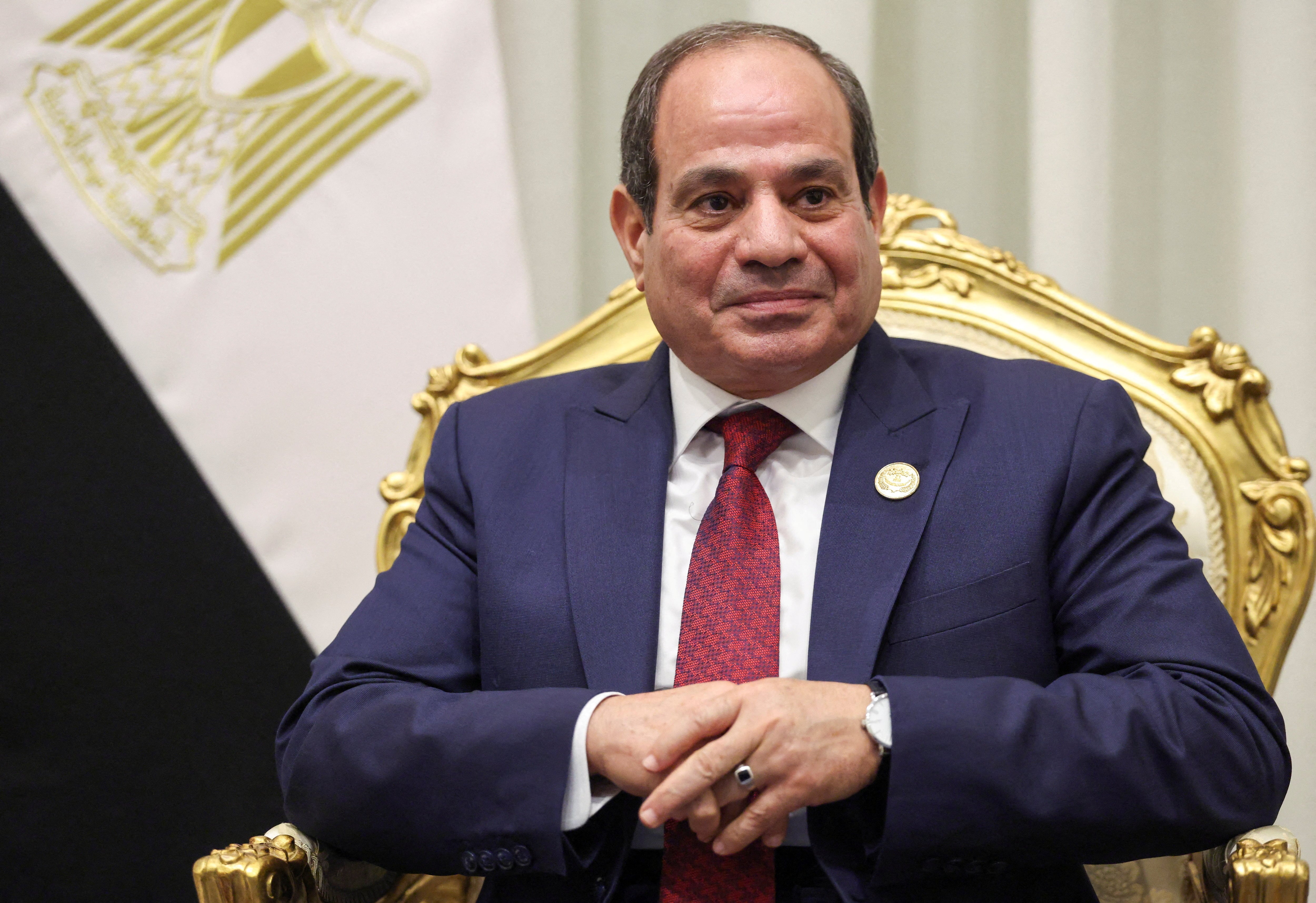
Egyptian President Abdel Fattah El Sisi has stated that he will not seek a third term when his current mandate expires in 2030. During a military ceremony to mark the graduation of new cadets, Mr. El Sisi emphasized his commitment to preparing a new generation of leaders to succeed him. He announced that the military academy will invite up to 300 candidates with doctorates from Egyptian or foreign universities to undertake a 30-month course, which the armed forces will sponsor.
The purpose of this program is to instill in the next generation a deep understanding of what constitutes a nation and how to protect it. The academy aims to produce leaders who can match or surpass his own leadership abilities. El Sisi specified that applicants must be between the ages of 40 and 50 and will undergo rigorous interviews and vetting before being enrolled.
While he did not explicitly state whether civilians or military candidates can apply, the option is theoretically open, potentially allowing for another army officer like himself to run for office in 2030. Given that he would have served for 16 years by the time his current term ends, El Sisi's leadership has been possible due to constitutional amendments adopted in 2019 that extended the presidential term from four to six years.
These amendments maintain the two-term limit but adjust the start date of the first term to 2018, instead of the original 2014. Egypt's constitution, adopted in a nationwide referendum in 2014, has been seen by many as a progressive document in the wake of the Arab Spring. El Sisi is viewed by some as a stabilizing force amidst regional conflicts, including ongoing wars in Gaza, Sudan, and political turmoil in Libya.
Additionally, Egypt's economy faces challenges such as high energy import costs and reduced Suez Canal revenues due to the geopolitical tensions originating from the Iran conflict and the subsequent Houthi attacks on Saudi Arabia.
Written by urgent.news from The National UAE's reporting — not their text. Machine-written — may contain errors; check the original before relying on it.
This story
This is one outlet's version. Read the fullest account.
- El Sisi insists he will leave office in 2030 as he outlines succession plan thenationalnews.com