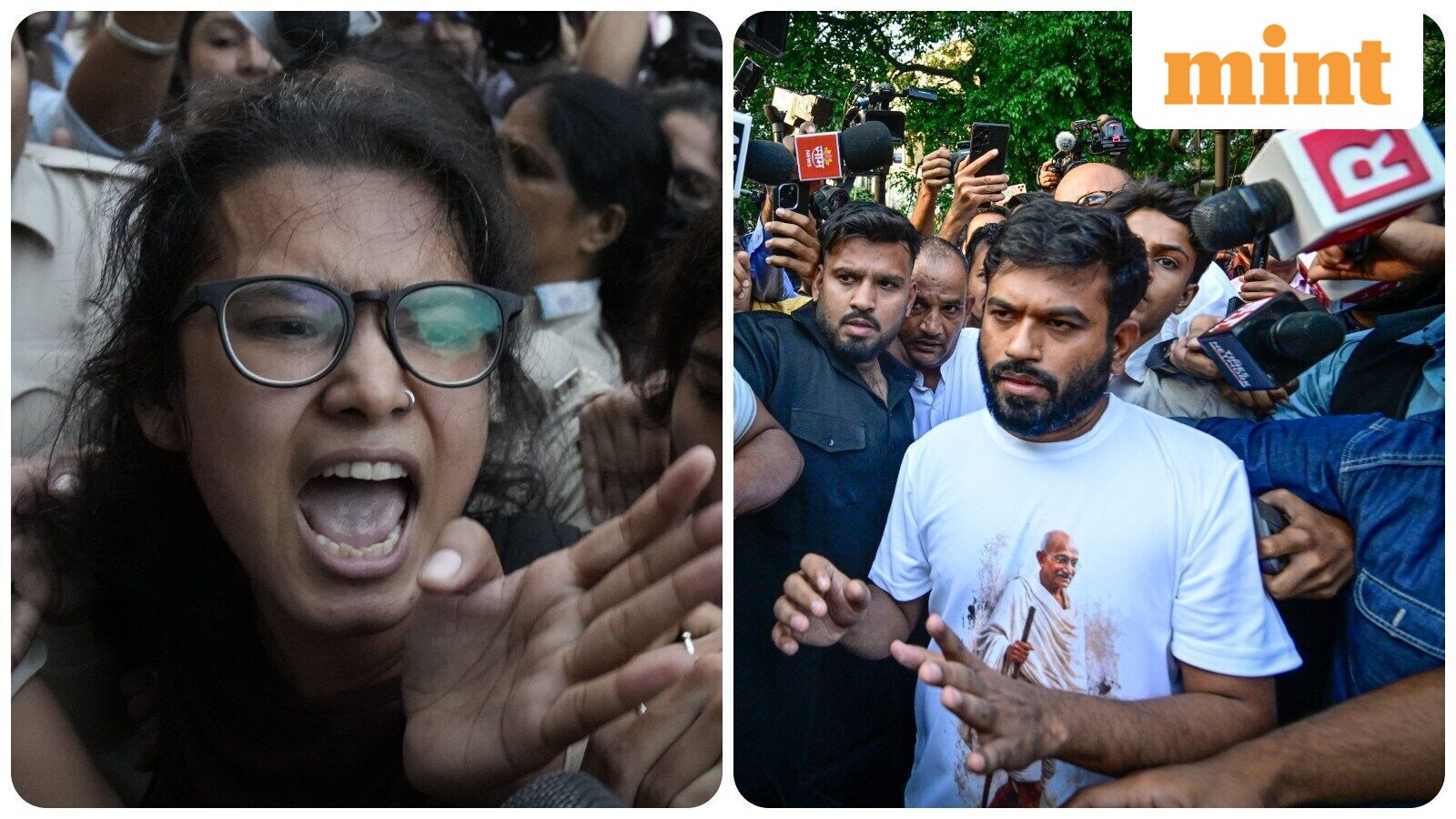
Delhi’s streets to Chandigarh campus, a wider politics of student dissent
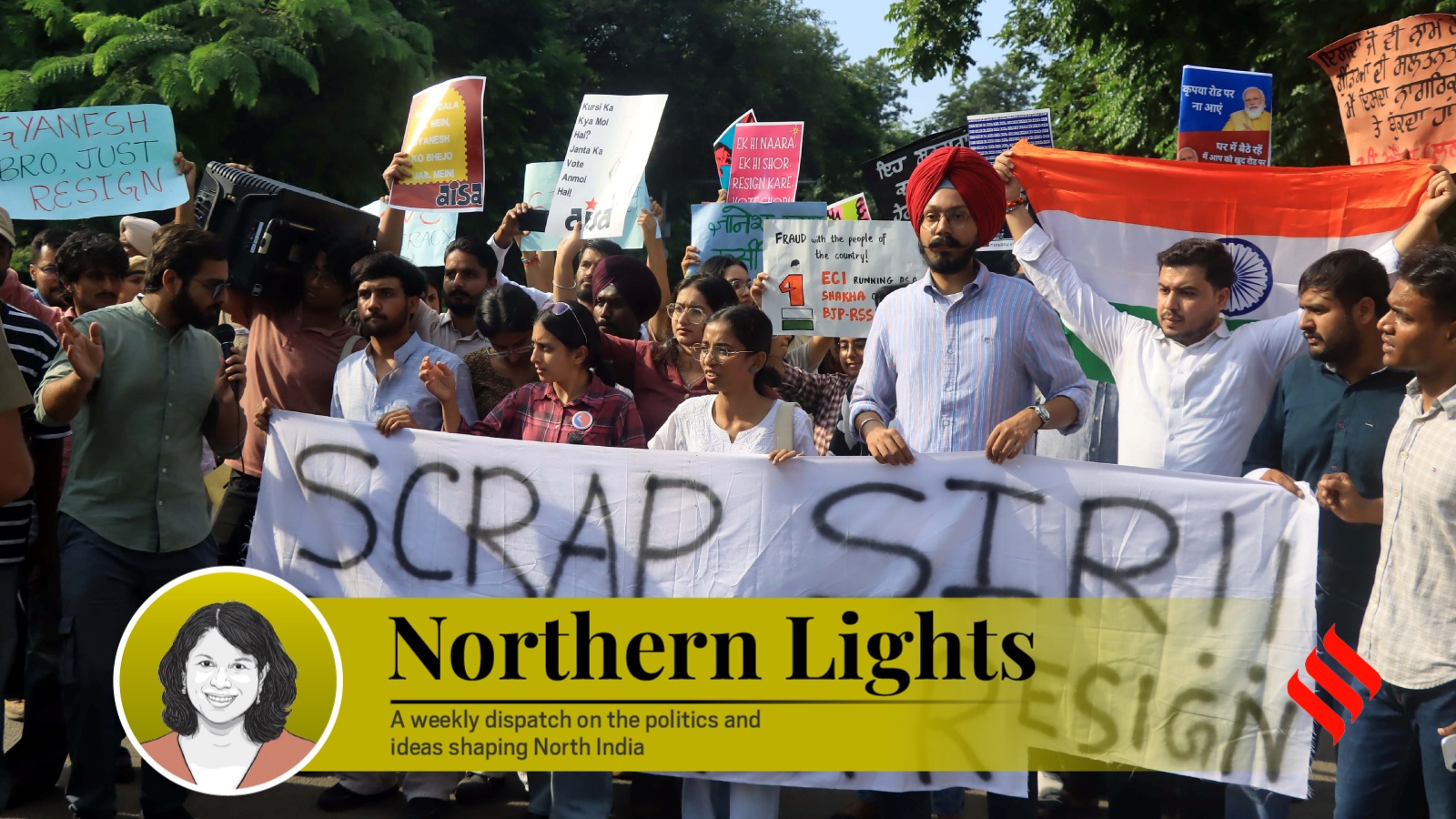
Student protests in Delhi this week are part of a wider movement in Chandigarh. Outside the State Election Commission office, demonstrators demand the removal of Chief Election Commissioner Gyanesh Kumar, a demand by the Cockroach Jaata Party. The campus that produces these protests belongs to Panjab University, which is governed by different groups. The Left, Ambedkarites, and Punjab-first groups claim ownership of dissent on the campus, while the ABVP holds the presidency.
The RSS's student wing won the top post at Panjab University for the first time in 48 years this year, after an alliance with the Punjab Students Union and Student Organisation of India. However, student protests reveal more than just victories. The only campus that votes in student elections has banned them since 1984, when the Centre outlawed the All India Sikh Students Federation. Panjab University remains the exception.
Despite the vote, students keep winning arguments about what the university should be. Ameen Kaur, a political science student, contested for the joint secretary position of the Students Council for the All India Students Association and won with her manifesto demanding lower fees, hostels for all, and better safety. She did not rely on money or muscle but on demands for change.
Armaan, an AISA member studying law, outlines three attacks on campuses: privatization, centralization under the National Education Policy 2020, and saffronization. He believes campuses should be for universal values, not the propagation of any one religion. The 2025 Senate agitation saw students rally under the Panjab University Bachao Morcha, defending Punjab's claim over the institution. Protests have taken place over fee hikes, safety concerns, and the presence of RSS-linked speakers.
Written by urgent.news from The Indian Express's reporting — not their text. Machine-written — may contain errors; check the original before relying on it.