Cochin Jews of Keralam: Who are they and how did they arrive in the region?
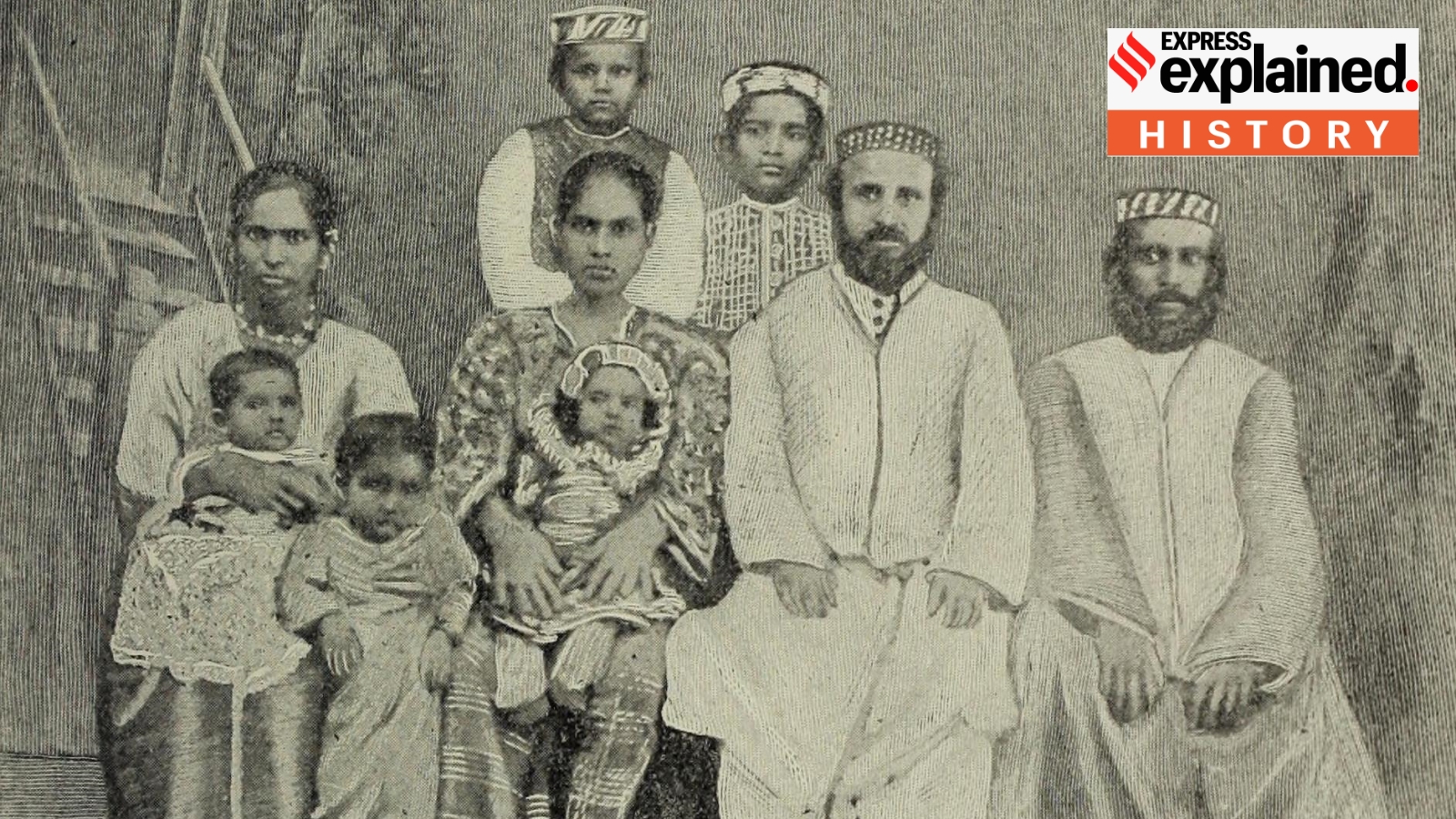
Two recent incidents in Kochi – an attempted arson near the Kadavumbhagam Synagogue and a fire at Fort Kochi’s heritage structure Koder House – have brought the small Cochin Jewish community to the forefront. Once a thriving community of nearly 2,400 during the 1950s, only a handful of Jews remain in the entire state today.
The origins of Keralam's Jews, also known as the Cochin Jews, are shrouded in historical controversy. Various accounts suggest their arrival in the region, which lies between the Arabian Sea and the Western Ghats, dates back centuries. Some believe their presence can be traced to King Solomon's fleet as early as the 10th century BCE, while others claim they arrived with the expulsion of Jews from Spain and Portugal in the 15th and 16th centuries.
The earliest concrete evidence of Jewish settlement dates back to 1000 CE, when King Bhaskara Ravi Varma of Cranganore (present-day Kodungallur) granted 72 royal privileges and land to Joseph Rabban, the leader of the Jewish community. This settlement, known as Anjuvannam, flourished until natural disasters like the 1341 floods forced many Jews to relocate to Cochin (Kochi), emerging as the most accessible port on the Malabar coast.
The Cochin Jews are traditionally divided into two distinct communities: the Malabari or "black" Jews and the Paradesi or "white" Jews. The Malabari Jews, descendants of those who arrived from ancient West Asia and intermarried with locals, trace their lineage back to King Solomon's fleet. They identify with the biblical narrative of Jewish arrival in Keralam, predating the Paradesi Jews.
In contrast, the Paradesi Jews, considered "pure" Europeans, arrived later during the expulsions from Spain, Portugal, Syria, and Yemen. They maintained strict separation from indigenous populations and even other Jewish communities, claiming a higher status in Cochin's caste-based society.
Today, the Malabari Jews maintain synagogues in various locations across Ernakulam and Fort Kochi, while the Paradesi Jews have only one synagogue in Mattancherry, established in 1568 and recognized as the oldest active synagogue in the Commonwealth of Nations. Despite their differences, relations between the Malabari and Paradesi communities were largely limited, with each striving to preserve their unique identities and traditions.
Written by urgent.news from The Indian Express's reporting — not their text. Machine-written — may contain errors; check the original before relying on it.