China’s exports blow past forecasts, imports accelerate
BEIJING: China’s export growth topped forecasts in September, with robust overseas demand helping offset weak consumer spending and easing pressure on policymakers to deliver this year’s growth goal. Resilience in goods exports has for a second year defied pressure from Western countries seeking more balanced trade with China, keeping factories humming and shoring up economic growth against…
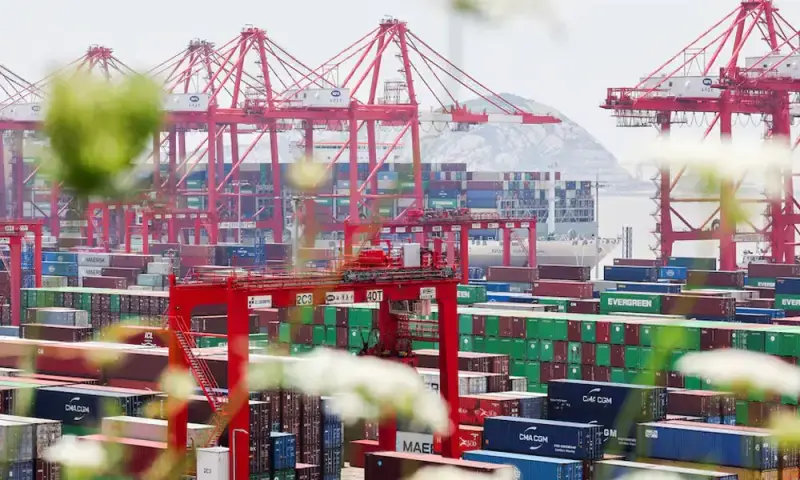
In September, China's export growth surpassed expectations, with overseas demand fueling robust overseas sales and offsetting weak domestic consumer spending. This resilience in goods exports, now in its second consecutive year, continues to drive economic growth despite subdued domestic demand and investment. According to customs data, China's exports in September skyrocketed 36.3 percent year-over-year, a remarkable increase from August's 25.0 percent rise and well beyond the anticipated 25.5 percent growth. This marked the fastest export growth since February, when exports expanded by 39.6 percent.
Imports also saw a substantial surge, jumping 31.0 percent compared to the 28.2 percent growth in August. Economists had forecasted a 24.5 percent increase in imports. As a result, China's trade surplus for the first nine months of the year reached an impressive USD938.11 billion, positioning the manufacturing giant on track to exceed USD1 trillion in surplus sooner than last year, unless exports slow dramatically in the final quarter.
Meanwhile, a deal with the European Union to restrict Chinese exports of hybrid vehicles could have long-term implications for China's booming auto trade. However, the trade restrictions are expected to be announced in December, allowing exporters time to adjust their shipments accordingly. Despite the potential impact, the trade measures may actually boost exports by creating urgency to meet the December deadline.
President Xi Jinping's summit with US President Donald Trump in September resulted in an extension of their tariff truce and an agreement to reduce tariffs on USD30 billion worth of goods from each side.
China's factory-gate prices rose at their fastest pace in over four years in September, while consumer inflation edged up but remained below expectations. The higher prices can be attributed to pricier oil and commodities, which drove up factory-gate costs despite weak domestic demand keeping broader price pressures in check.
Written by urgent.news from Business Recorder's reporting — not their text. Machine-written — may contain errors; check the original before relying on it.