California redwoods are struggling in the heat — and it's not clear how much damage is being done
When temperatures rise, California redwoods slow down their rate of photosynthesis, a discovery that could have implications for the long-term survival of the iconic species.
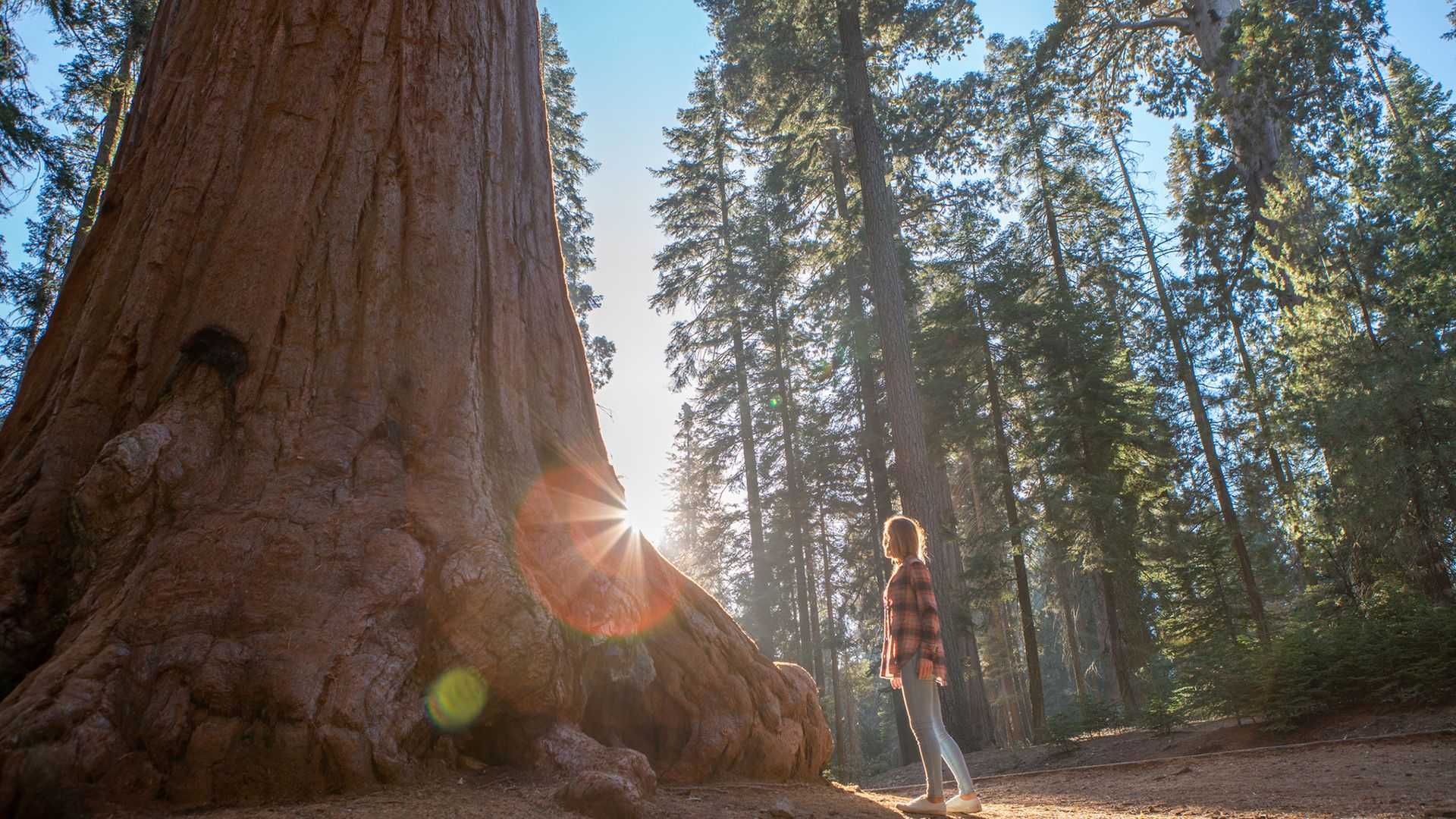
Recent research reveals California redwoods are struggling to photosynthesize in high heat, raising concerns about their long-term survival. These majestic trees, native to central and northern California, play a crucial role in storing vast amounts of carbon and are seeing their range shrink due to climate change. With temperatures soaring above 100°F (37°C) in recent years, scientists have discovered the foliage of these iconic trees can become up to 18°F (10°C) hotter than the surrounding air, indicating their struggle to regulate heat.
In a state of rest, the leaves mirror their photosynthetic rate, revealing a significant setback when exposed to sunlight. While stomata, tiny pores on the leaf surface, help control carbon dioxide intake and water loss, the research shows that extreme heat directly limits photosynthesis, not just through stomatal closure. This revelation underscores the immediate impact of heat on redwoods' ability to photosynthesize and store carbon, a critical aspect of their ecological function.
The extent to which redwood forests might become irreversibly damaged remains unclear, highlighting the need for further research to fully comprehend the implications of rising temperatures on these vital ecosystems.
Written by urgent.news from Live Science's reporting — not their text. Machine-written — may contain errors; check the original before relying on it.