Biomemory’s DNA Shield stores critical data in synthetic DNA — beyond the reach of cyberattacks
DNA Shield provides offline storage for critical digital assets, data that must remain unchanged and protected from emerging threats and technologies
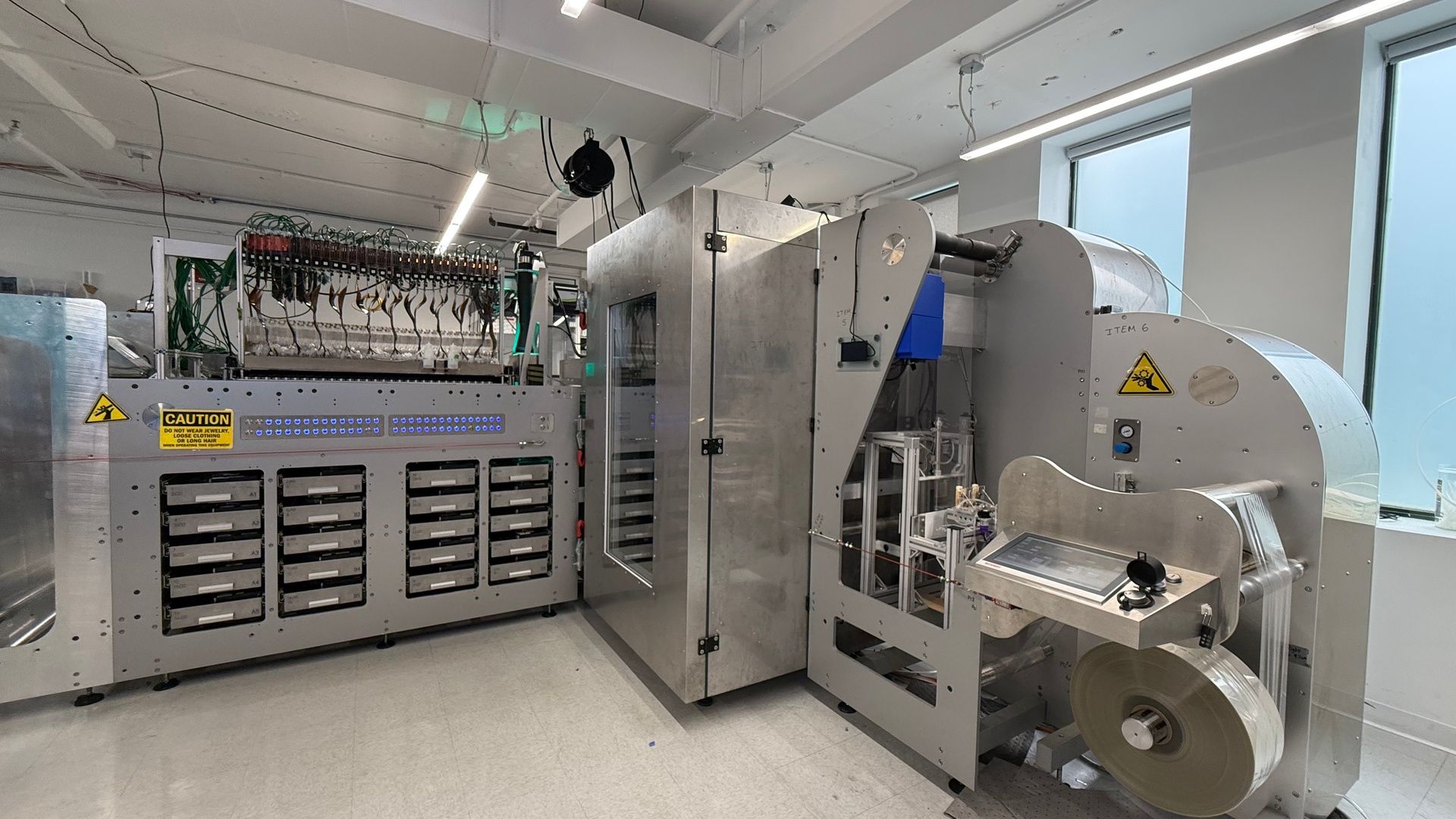
Biomemory has unveiled a new service called DNA Shield, which aims to provide secure, offline storage for critical digital assets using synthetic DNA. The company sees potential challenges to the resilience of these assets, known as "cold data," and believes DNA storage is the most secure option available. Cold data makes up 60% of all data worldwide and includes information that cannot be altered, such as passwords, biometrics, and financial records.
DNA Shield uses an engineered encoding scheme to store data in DNA, creating a physical molecule that remains biosecure and can last for up to 150 years. This storage method is a million times denser than magnetic storage and is kept offline and airgapped for maximum security. Biomemory acquired DNA storage pioneer Catalog Technologies in March 2026 to develop DNA Shield and expects to launch the full service in 2027.
The company is the first to bring Molecular IT, or molecular information technology, to the market. Organizations interested in DNA Shield can subscribe for as little as €10,000 per month, with early access applications currently open through Biomemory.
Written by urgent.news from TechRadar's reporting — not their text. Machine-written — may contain errors; check the original before relying on it.