Bangladesh's measles outbreak is a 'real warning'
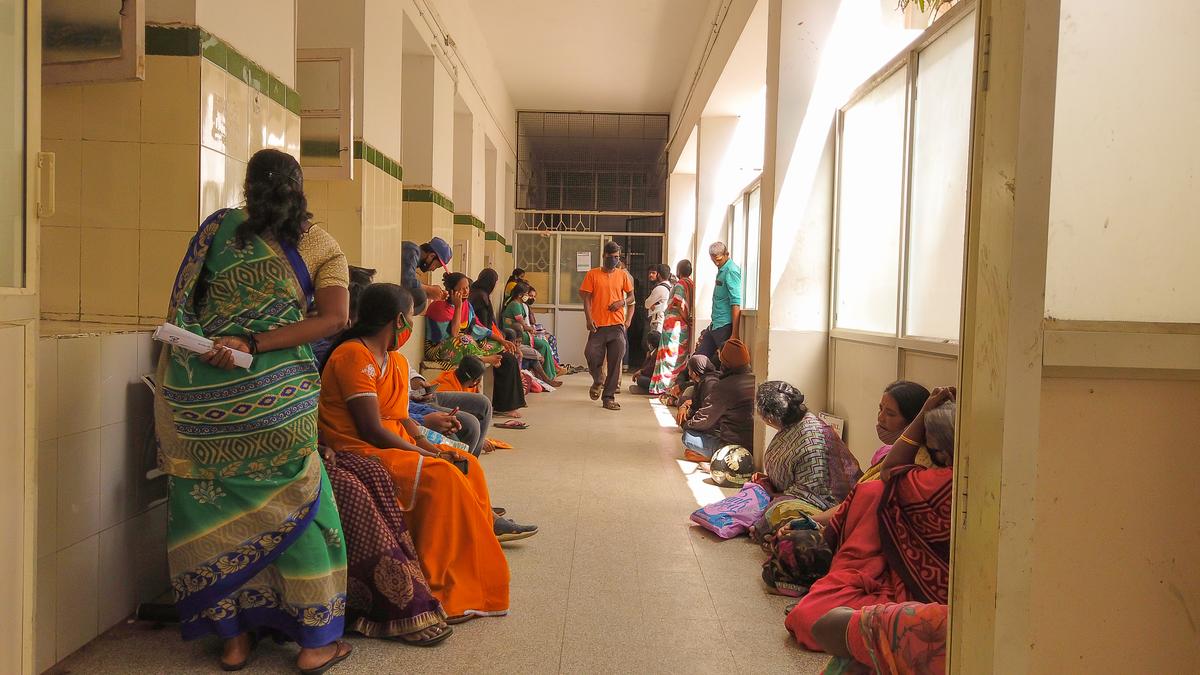
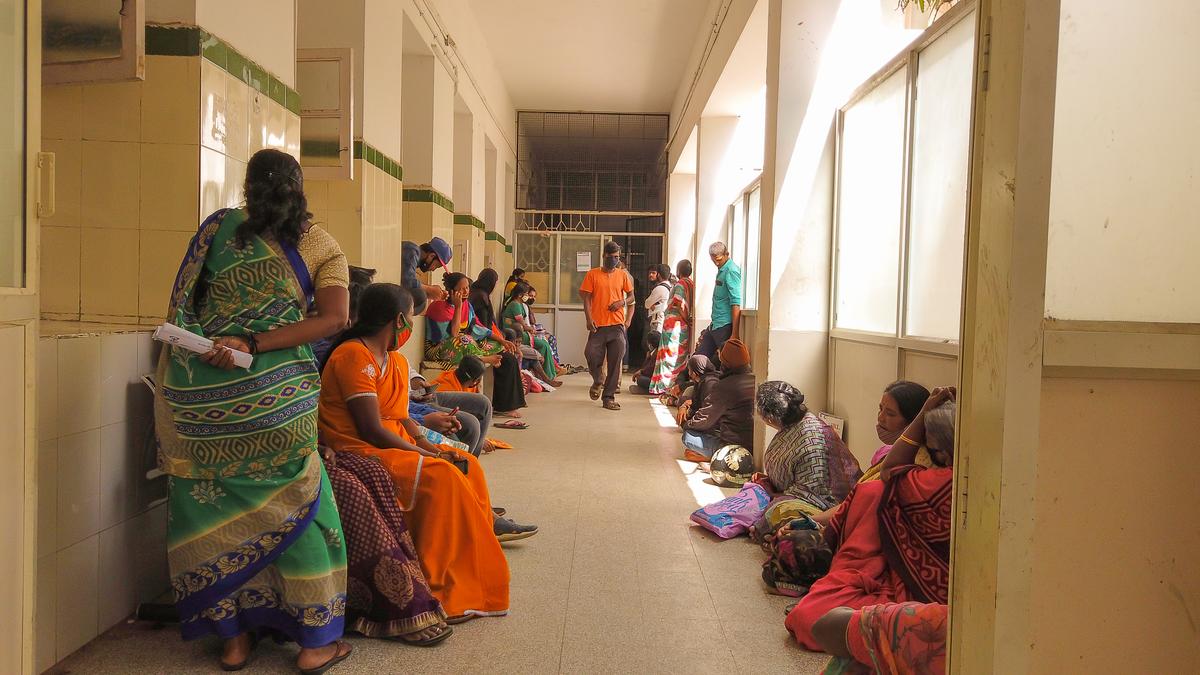
Bangladesh is experiencing its worst measles outbreak, a crisis that highlights the dangers of falling immunization rates. According to the World Health Organization, the country reported 202,000 suspected measles cases, 22,000 of which were confirmed through lab testing, since the outbreak began in mid-March. As of October 9, 1,147 people have died from the highly contagious disease, with 94% of the reported deaths among children under five years old.
Bangladesh's routine vaccination program faltered in 2025, and the disease has spread more rapidly due to weak data, inadequate outreach, and vaccination gaps.
Experts warn that this outbreak is a real warning to other nations about the deadly risk of falling immunization rates. Mark Jit, a WHO vaccine adviser and professor at New York University, said that preventing an outbreak through vaccinations is easier, cheaper, and safer than responding to an emergency. Ziauddin Hyder, a special assistant on health affairs to Prime Minister Tarique Rahman, stated that the government is doing everything it can to end the outbreak.
In the northeast Sylhet region, one of the worst-hit areas, two-year-old Arman Hossain died unvaccinated in July, and his four-year-old sister survived. His father, Amin Mia, said no health workers came to their remote village to offer vaccinations in time. In another case, the daughter of carpenter Humayun Rashid, aged nine months, died unvaccinated in June. Her father missed an opportunity to vaccinate her in April when the emergency program lowered the vaccination age to six months from nine.
Despite the government's efforts, the outbreak continues. In September, Bangladesh reported a daily average of 1,198 new cases of measles, the highest total since May. Although the emergency drive initially seemed to be working, covering nearly 20 million children in April and May, the government's efforts fell short. WHO and UNICEF estimated that first-dose coverage in 2025 fell to 90%, while second-dose coverage was 86%, both below the 95% needed for herd immunity.
Written by urgent.news from Business Recorder's reporting — not their text. Machine-written — may contain errors; check the original before relying on it.
This story
This is one outlet's version. Read the fullest account.
- Bangladesh is battling measles. It's a 'real warning' to other nations brecorder.com
- 202,000 cases, 1,147 deaths: Bangladesh faces world’s worst measles outbreak timesofindia.indiatimes.com