Australia's first Vietnamese heritage museum opens in Melbourne
Five decades on from the end of the Vietnam War, generations of Vietnamese-Australians have welcomed a new museum dedicated to the migrant experience.
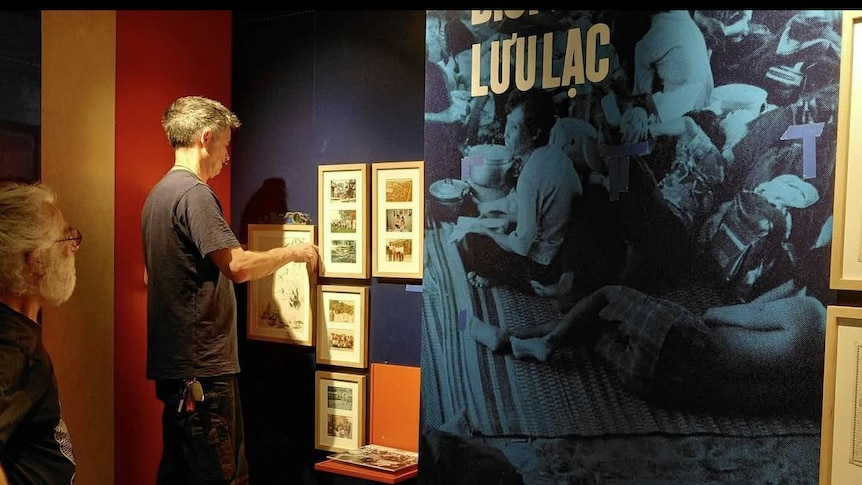
Australia's first Vietnamese heritage museum has opened in Melbourne, marking a significant milestone for the country's Vietnamese-Australian community. Vietnamese-Australians are one of the largest migrant groups in the nation, many of whom fled after the civil war in Vietnam ended. A community campaign, supported by both political sides, helped bring the museum concept to life.
Prior to the Vietnam War, Vietnam was largely known in Australia for the conflict and conscription issues. However, this perception began to change with the end of the war, as thousands of Vietnamese refugees embarked on perilous journeys to Australia in the mid-1970s. They left behind Saigon and welcomed Melbourne's Sunshine and St Albans or Sydney's Cabramatta and Canley Vale.
Five decades later, the opening of the Vietnamese Museum Australia represents the culmination of a decade-long effort to establish a permanent monument to the pioneering generation of Vietnamese-Australians. The museum's chief executive, Tammy Nguyen, whose parents escaped Vietnam on a boat journey, emphasized the diverse stories that the museum aims to tell.
The project received bipartisan support, with the Victorian Premier Ben Carroll officially opening the center alongside MPs from various political backgrounds. Both federal and Victorian governments contributed millions, along with grassroots community contributions. Liberal MP Trung Luu, a refugee from Vietnam himself, highlighted the personal significance of the museum's opening.
Professor Lan Anh Hoang from the University of Melbourne noted that public attitudes towards Vietnamese refugees in the 1970s and 1980s were mixed. While there was initial sympathy, concerns about uncontrolled migration and lingering racial anxieties due to the White Australia policy emerged. Many Vietnamese migrants who arrived in 2026 are more educated and skilled compared to those who came in the 1970s, and they often describe the kindness and support they received from churches and community organizations.
Sociology professor Andrew Jakubowicz from the University of Technology Sydney explained that the mid-1970s intake of Vietnamese-Australians under the Fraser Government marked the first real test of the post-White Australia policy consensus. These newcomers, primarily Catholic southerners and pro-Saigon supporters, faced a traumatic journey as the first modern boat people. They arrived at a time when Australia was cautiously ready to accept Asians, having ended its White Australia policy.
Written by urgent.news from ABC News AU's reporting — not their text. Machine-written — may contain errors; check the original before relying on it.