America's politically divided Jewish community braces for Israel's elections
Netanyahu's supporters, especially among Orthodox Jews, believe he's protecting a country they love as central to their identity. Many liberal and younger Jewish Americans believe his policies have harmed Israel's global standing.
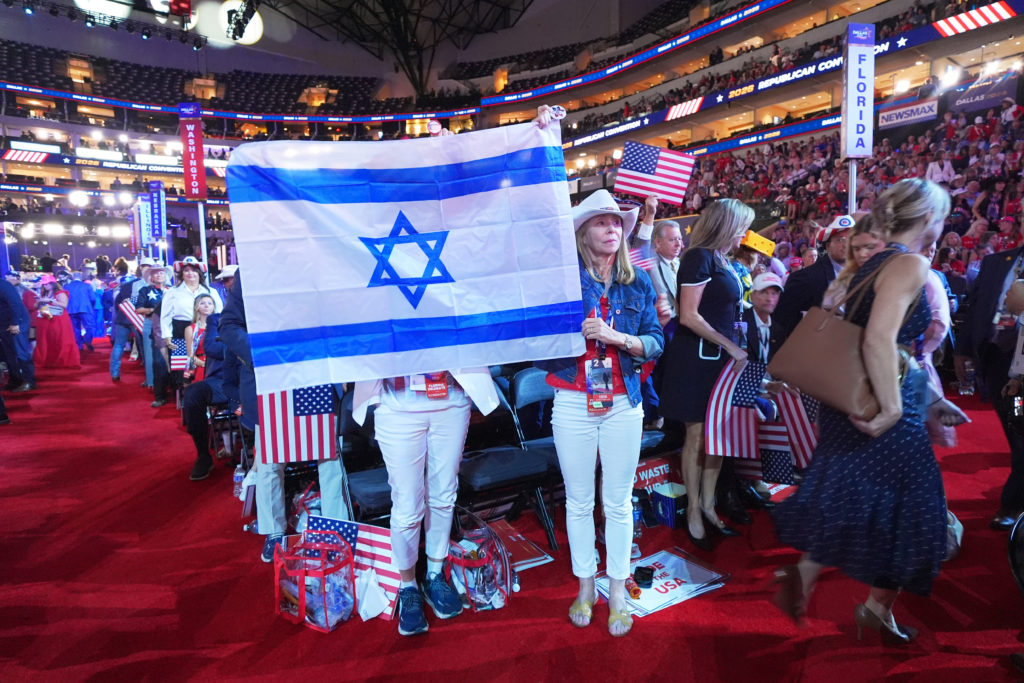
Jewish Americans are bracing for Israel's upcoming elections, which are seen as a referendum on Prime Minister Benjamin Netanyahu and the current state of affairs in the region. With tensions running high following the Hamas-led attack in October 2023, the election outcome is a matter of great concern.
However, American Jews are sharply divided on the matter, with some supporting Netanyahu and others criticizing his policies. The divide runs along political, religious, and generational lines. Orthodox Jews often view Netanyahu as a protector of their identity, while liberal and younger Jewish Americans believe his actions have harmed Israel's global standing and provoked anger in the United States.
Adding to the complexity is the increasing prevalence of antisemitism and antisemitic violence, both in Israel and the United States. Jewish Americans feel torn, as they want to speak out against the violence in the West Bank but also reject allegations of genocide and double standards against Israel. Rabbi Dan Levin of Temple Beth El in Florida says many congregants are deeply emotionally invested in the elections, even though they cannot vote.
Israel's election is a complex affair, with no clear prediction of the outcome. Polls suggest a tight race between a Netanyahu-led coalition and an alliance of rivals. A majority of religious Jewish adults under 45 in the U.S. do not prioritize supporting Israel as extremely important to their Jewish identity, instead focusing on other aspects such as celebrating Jewish holidays.
The upcoming elections also have implications for the U.S. midterms, as support for Israel is a key component of the religious identity of many U.S. Jewish adults over 45. As the Israeli elections approach, communities are worried about the potential impact on antisemitism, with some fearing that a different style of prime minister could change how American Jews are perceived.
While some argue that a different Israeli government would help stem the tide of antisemitic acts, others insist that the blame for attacks against Jews cannot be solely laid at the feet of Netanyahu or his government. Instead, they emphasize that individual responsibility is the key factor. Rabbi Jill Jacobs of T ruah, a rabbinic human rights organization, stresses that while Israel's actions are concerning, it is wrong to blame the violence against Jews on the Israeli government.
For Orthodox Jews like Stanley Weinstein, Israel's security is paramount, given the threats from militant groups like Hamas and other simmering conflicts in the region. He sees Israel's role as crucial and stands by the state despite the growing anti-Israel and antisemitic rhetoric among some American political figures. For Jewish Americans, Israel remains a central part of their identity, and the upcoming elections carry significant weight in shaping the future of both Israel and the Jewish community in the United States.
Written by urgent.news from PBS NewsHour's reporting — not their text. Machine-written — may contain errors; check the original before relying on it.
This story
This is one outlet's version. Read the fullest account.
- America’s politically divided Jewish community braces for Israel’s elections winnipegfreepress.com
- America’s politically divided Jewish community braces for Israel’s elections timesofisrael.com
- Is the US Embassy in Jerusalem for Israel or America? aljazeera.com