Air rage incidents in Japan surge, led by late check-in ‘flashpoint’
Airline employees in Japan are experiencing a surge in abuse incidents from customers linked to delays or cancellations of flights or from being refused boarding due to late check-in, according to a survey. Some 30 per cent of ground staff or cabin crew reported bearing the brunt of passengers’ anger over such matters in the past year, according to the survey by the Japan Federation of Aviation…
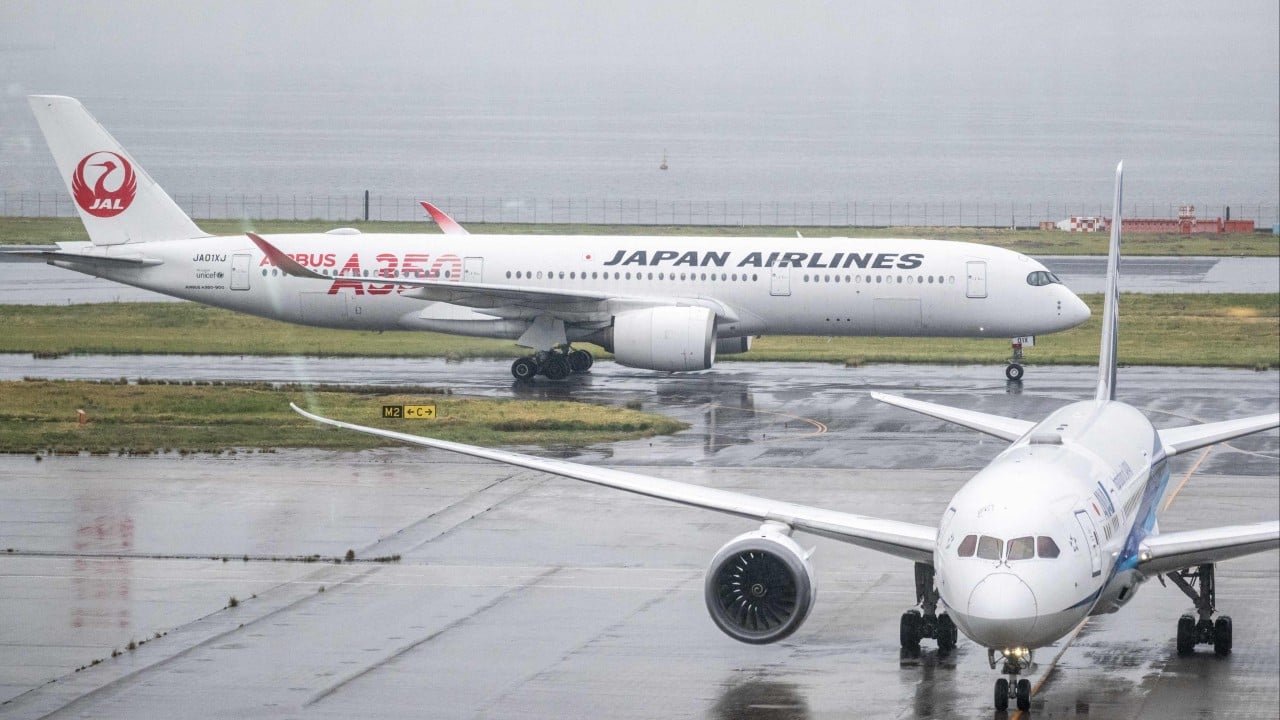
In Japan, airline employees are witnessing a rise in abusive incidents from passengers, primarily due to flight delays, cancellations, or late check-ins, according to a survey conducted by the Japan Federation of Aviation Industry Unions. The frequency of such incidents surged from 7% in 2023 to 30% in the most recent survey, released last month.
This spike is attributed to stricter check-in deadlines that were implemented in September, requiring passengers on domestic flights to complete procedures 30 minutes before their scheduled departure time, up from 20 minutes.
Tomomi Kikuchi, a spokeswoman for the federation, revealed that passengers' complaints were predominantly about flight delays or cancellations. In an effort to curb customer harassment, Japan Airlines (JAL) and All Nippon Airways (ANA) introduced new guidelines in 2024, identifying unacceptable behaviors such as abusive or threatening language, physical assault, unreasonable demands, and sexual harassment.
The airlines cited incidents like a passenger throwing a cup at a flight attendant after receiving the wrong drink, and another demanding a senior manager to apologize in person after a flight delay.
ANA stated that it aims to reduce the psychological burden on employees and ensure a comfortable environment for customers by establishing internal guidelines and training staff on handling harassment incidents. The airline also emphasized the importance of interdepartmental collaboration to address customer interactions with a firm and resolute stance.
A travel marketing analyst, Ashley Harvey, noted that while such behavior has always existed, it has been more frequently reported since the end of the pandemic due to increased awareness and less tolerance for misbehavior.
Despite the airlines' efforts, the air travel experience for customers is becoming increasingly unpleasant, with crowded spaces and limited service availability, according to Harvey. However, some Japanese passengers may be more respectful of airline employees than others, as suggested by a cabin crew member who had fewer incidents with domestic passengers compared to international flights. Nonetheless, crew members must remain vigilant against various forms of misconduct.
Written by urgent.news from South China Morning Post's reporting — not their text. Machine-written — may contain errors; check the original before relying on it.