A telegraph-era law cannot protect Malaysia’s digital lifelines
Malaysia can take a leaf out of the UK’s book to enhance protection of its submarine cables from damage caused by intentional or reckless actions, with tougher penalties.
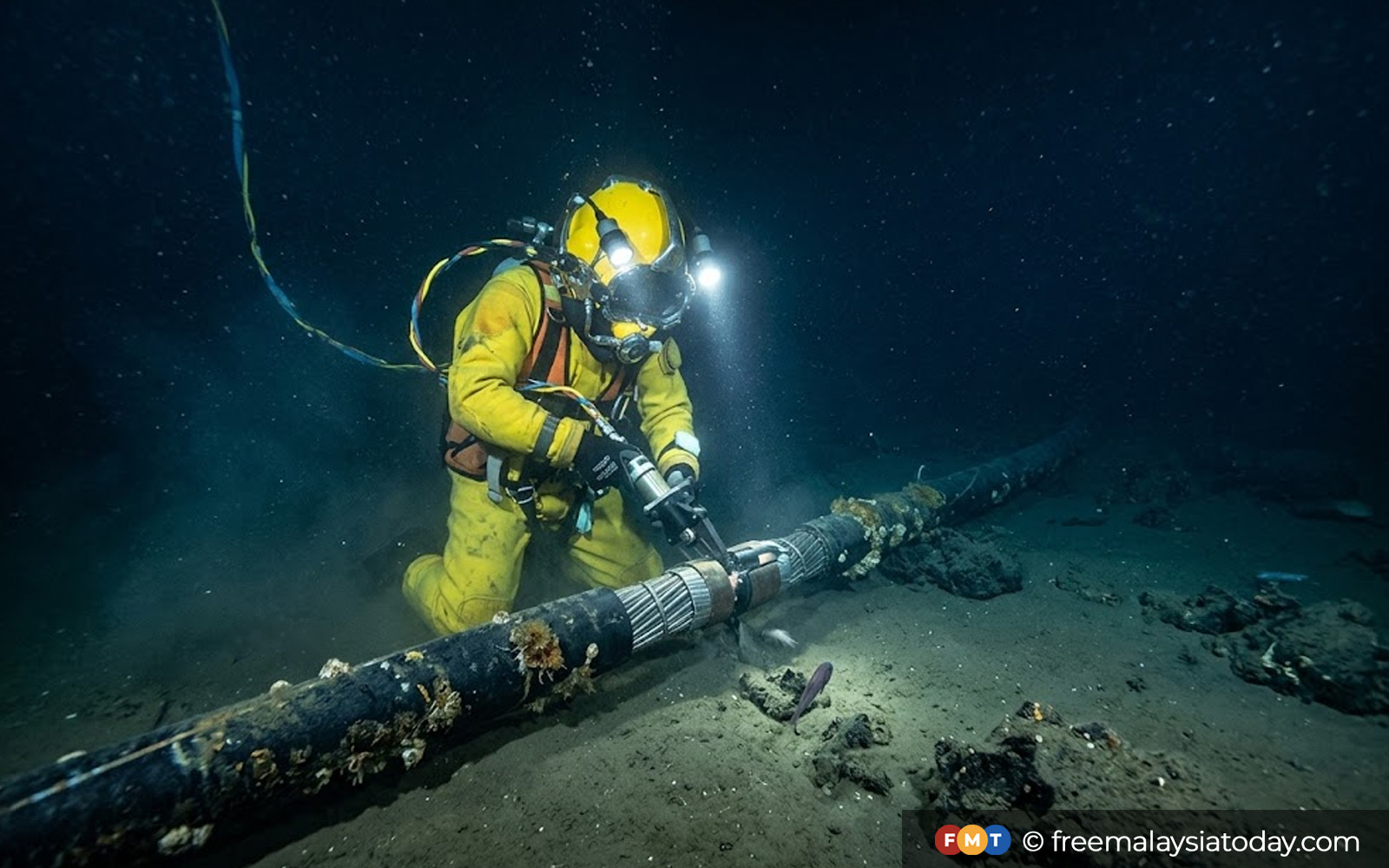
Malaysia's digital economy depends on a network of submarine cables that span the country's territorial waters. These cables are vital for transmitting international data, including the traffic behind Johor's booming data centre industry. However, the criminal law that protects these cables is outdated and incapable of addressing modern threats.
The only provision in the Penal Code that directly targets cable damage, Section 431A, has three significant weaknesses. First, it requires proof of intent or knowledge that damage would likely occur, making it difficult to prosecute cases where negligence was involved. Second, the law only applies within Malaysia's territorial waters, leaving vulnerable sections of cable routes in the exclusive economic zone and continental shelf without protection.
Lastly, the language used in the law is outdated, and modern fibre-optic cables may not qualify as "apparatus for signalling" as defined by the law. Furthermore, international law, specifically the UN Convention on the Law of the Sea, only protects the freedom to lay cables and does not extend protection to the cables themselves.
The Malaysian Maritime Enforcement Agency acknowledges that foreign vessels exploit jurisdictional gaps by transferring cargo near Malaysia's territorial waters, placing the country at risk of damage to its crucial cables. To address these issues, Malaysia should introduce a dedicated offence for intentional, reckless, and culpably negligent damage to telecommunications and power cables.
The offence should be extended to cover the EEZ and continental shelf and be applicable to all nationalities and flags. Additionally, the law should consider the enforcement challenge, as seen in the Helsinki Court of Appeal's recent ruling, which recognized the coastal state's jurisdiction over cable damage. By modernizing its law to meet the demands of the digital age, Malaysia can safeguard its vital digital lifelines and maintain its position as Southeast Asia's leading destination for cable landings.
Written by urgent.news from Free Malaysia Today's reporting — not their text. Machine-written — may contain errors; check the original before relying on it.
Also reported by 1 other outlet
- A telegraph-era law cannot protect Malaysia’s digital lifelines freemalaysiatoday.com