22 Years Ago, One Perfect Twist Changed TV's Greatest Sci-Fi Series Forever
Twenty-two years later, Lost’s “Walkabout” remains a perfect TV twist that transformed John Locke and established the Island’s mystical power.
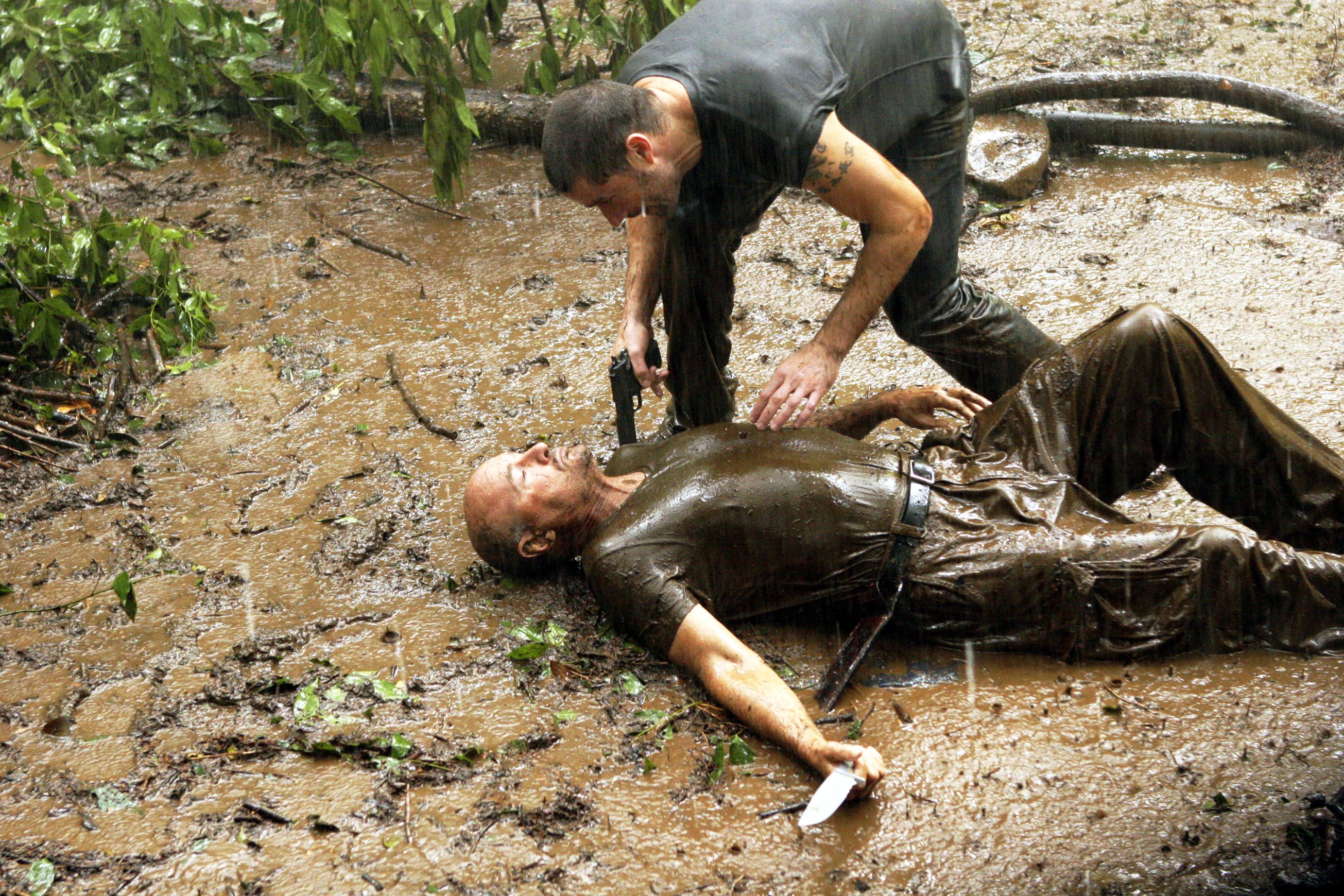
In 2004, Damon Lindelof, a master of mystery-box series, cited The Sixth Sense as the definitive example of a twist that recontextualizes everything that has come before it. Lindelof explained that the impact of seeing Dr. Malcolm Crowe as dead all along transforms not just the ending, but the entire movie.
At the time, Lindelof was discussing his new series, Lost. The show had already pulled off a mind-blowing twist in its first few episodes. While Oceanic Flight 815 crashed on a seemingly deserted tropical island, its survivors faced dwindling supplies, a rampaging monster, an inexplicable polar bear, and the realization that rescuers were probably looking for them a thousand miles away.
The flashbacks in Lost initially seemed straightforward, with characters like Charlie secretly addicted to heroin and Kate a captive fugitive being escorted in handcuffs. However, these details complicated the characters we initially met on the island without fundamentally altering our understanding of the show. For most of the show's runtime, the fourth episode, "Walkabout," was unremarkable.
However, in the end, John Locke, played by Terry O'Quinn, suffered through a humiliating office-drone existence before the crash. His wheelchair was revealed in a wide shot, changing viewers' perception of Locke from a confident survivalist to a man confronting a limitation that no amount of preparation could overcome. This twist not only helped explain Locke's behavior but also established that the Island could perform miracles.
Written by urgent.news from Polygon's reporting — not their text. Machine-written — may contain errors; check the original before relying on it.