10 Weekend Reads
The weekend is here! Pour yourself a mug of Danish Blend coffee, grab a seat outside, and get ready for our longer-form weekend reads: • America Didn’t Lose Its Rare Earth Industry. It Sold It.: Markets price for cost. China prices for control. The risk of a rare earths cutoff is asymmetric, and the financing to rebuild… Read More The post 10 Weekend Reads appeared first on The Big Picture .
The weekend brings a selection of in-depth articles for readers to explore. The first piece examines how the United States lost its rare earth industry to China, with Beijing imposing export controls. Lawfare's Kirsten Asdal explains that the risk of supply cutoffs is asymmetric, justifying investment in rebuilding domestic production.
Another report discusses how a Russian officer betrayed his country by sharing military intelligence with Ukraine during a training exercise in eastern Ukraine. The defector, Lt. Lev Stupnikov, fed troop locations to the enemy before escaping. The Wall Street Journal's reporting details this high-stakes defection.
In response to concerns about a literacy crisis, New Republic writer Osita Nwanevu argues that reading is not dying. He argues that modern consumption habits have changed the way people read, making the case for reading harder to make.
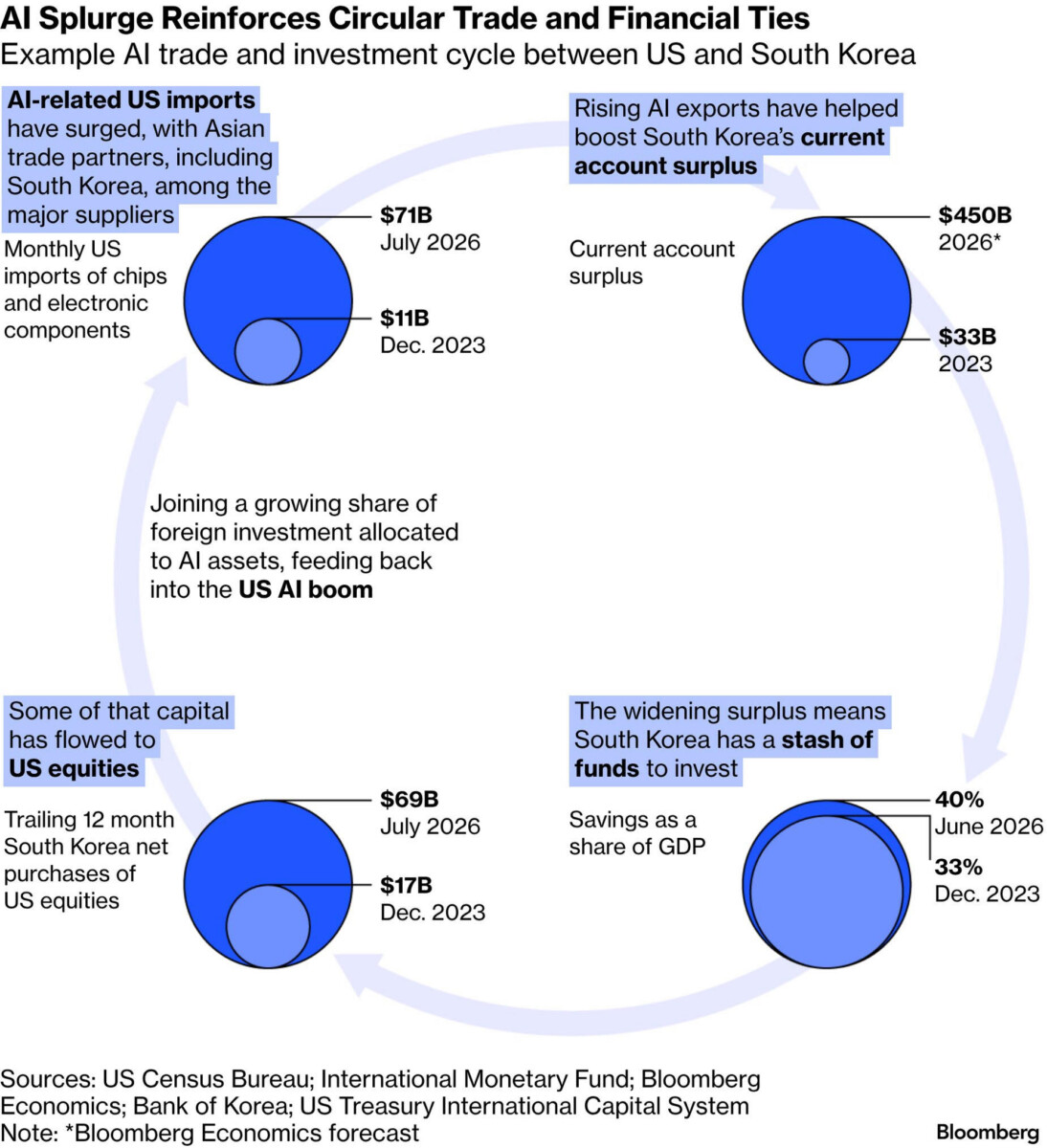
The third article looks at how artificial intelligence spending is driving market growth. Aswath Damodaran of Musings on Markets explains that despite rising interest rates, stocks kept climbing in 2026 due to AI-related earnings beats. He then traces the flow of capital into AI-focused companies through their financial statements.
Russia is employing a network of bots to flood social media with fake election videos, manipulating views of Democratic candidates ahead of the midterms. Bloomberg's Bloomberg reports that state-backed Matryoshka campaign is using inflated view counts to create a false sense of popularity for fabricated stories targeting Democrats.
In a provocative piece, Aeon magazine's contributor challenges the computer metaphor for understanding the brain. He argues that memories are not stored in the brain like data on a hard drive, but rather actively reconstructed each time we recall them. This challenges the long-held view that the brain functions like a computer.
Finally, an article explores the role of birds in maintaining healthy coral reef ecosystems. NPR explains that bird droppings near seabird colonies provide essential nutrients that promote reef health. This natural process helps create biodiversity hotspots in the Pacific Ocean, particularly in tropical islands and atolls.
Written by urgent.news from The Big Picture's reporting — not their text. Machine-written — may contain errors; check the original before relying on it.