Why big dogs seem to grow old so much faster
A new study suggests larger breeds age more quickly at the molecular level - offering a possible clue to why their lives tend to be shorter.
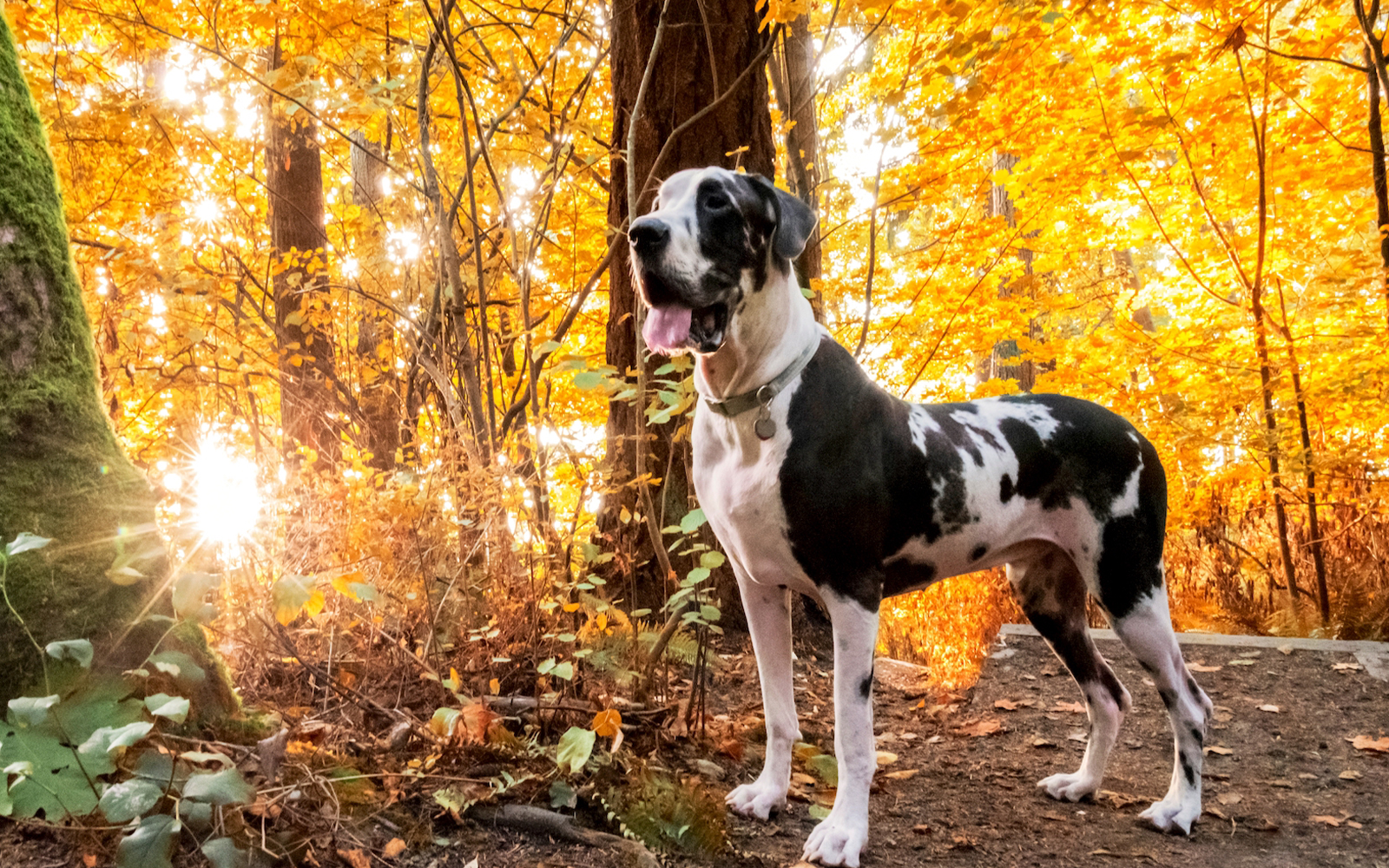
Large dog breeds, such as Great Danes and Irish wolfhounds, tend to have shorter lifespans and show signs of aging more rapidly than smaller breeds, according to new research. Scientists from Arizona State University studied 894 dogs representing around 120 breeds as part of the Dog Aging Project. They discovered that the cells of larger dogs show more rapid age-related changes in their DNA compared to smaller dogs.
This was observed through chemical markers attached to DNA that regulate gene behavior, which naturally change with age. Additionally, dogs with biologically older age showed higher mortality rates within the following two years. One key factor involved changes in transposable elements, regions of DNA that can move or copy themselves within the genome, which showed stronger age-related changes in larger dogs.
While the study does not definitively prove that these DNA changes cause larger dogs to age faster, it provides valuable insight into the cellular aging process. The research highlights a notable difference within the same species, where larger individuals tend to age faster compared to larger mammals in general. The findings suggest that body size plays a significant role in the aging process, influencing factors beyond just lifespan statistics.
Written by urgent.news from Free Malaysia Today's reporting — not their text. Machine-written — may contain errors; check the original before relying on it.
This story
This is one outlet's version. Read the fullest account.
- Why big dogs seem to grow old so much faster freemalaysiatoday.com