Where to See the World’s Most Famous Preserved Body Parts
Sure, you’ve seen a dead body before, but have you ever seen a thumb preserved in salt? How about a saint’s heart shrouded in gold? Beyond the normal displays of skeletons in medical museums and holy leaders’ bodies in churches and temples, there’s a whole world of bits and pieces to explore. Throughout history, body parts have been taken as trophies during wartime, worshipped as miraculous…
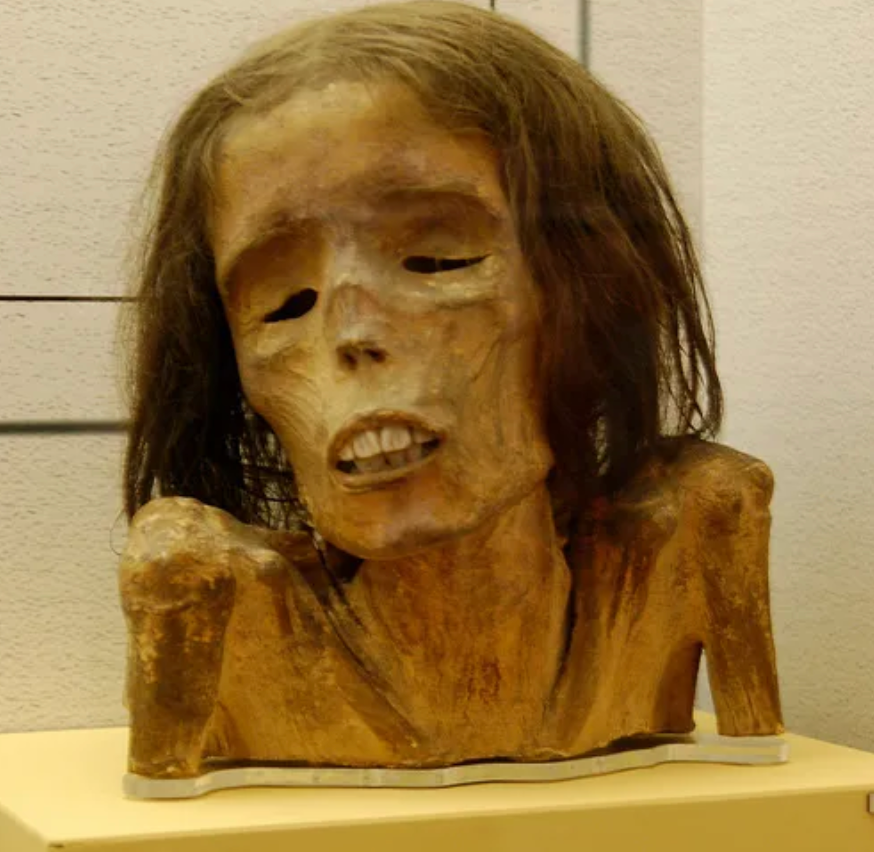
Discovering the world's most astonishing preserved body parts can be an intriguing experience. From historical relics to unique curiosities, these specimens offer a glimpse into the past and showcase the diverse ways humans have preserved body parts throughout history. Here are some remarkable collections to explore:
1. National Museum of Health and Medicine in Silver Spring, Maryland houses an extensive collection, including portions of Abraham Lincoln's skull, General Daniel Sickles' amputated leg, and a conjoined twin preserved in alcohol. The museum also boasts one of the world's largest neuroanatomical collections, featuring normal and pathological human brains and comparative mammalian brains.
2. The Sourtoe Cocktail in Dawson City, Yukon is a quirky attraction featuring a miner's frostbitten toe preserved in alcohol. This toe has been a surprise garnish in drinks since its discovery decades ago and has become part of a club's membership requirements for patrons who dare to drink with the toe.
3. Lindow Man, discovered in a peat bog in England, offers a rare and well-preserved glimpse into a 25-year-old man's life around 2 B.C. to A.D. 119. His skin, hair, and internal organs are remarkably preserved, providing valuable insights into his life and death, which included brutal injuries.
4. The University of Lisbon's anatomical theater displays the preserved head of Diogo Alves, Portugal's first serial killer and one of its last men to be hanged. Alves' head was preserved for phrenology studies, which ultimately proved unsuccessful, but his skull remains a fascinating part of the museum's collection.
5. The Mütter Museum in Philadelphia, Pennsylvania showcases a wide range of specimens, from medical instruments and conjoined twin skeletons to Albert Einstein's brain, displayed across 46 microscope slides. These objects offer a unique perspective on the human body and its complexities.
6. St. Anthony's Tongue, housed in Padua, Italy, is a relic from the 13th-century saint known for his preaching. The saint's tongue and jaw are displayed in ornate gold reliquaries, allowing his voice to continue spreading the Gospel even after his death.
7. Transi de René de Chalon, located in France, is a grotesque white-stone statue created in 1547 to honor Prince René de Chalon, who wished to be remembered as a rotting corpse. The statue, created by Ligier Richier, features dried skin flaps and a hollow carcass, reminding viewers that all life eventually returns to dust.
8. Frédéric Chopin's heart, preserved as per his dying wish, now resides in Warsaw, Poland. The composer's wish was to return his heart to his native Poland rather than be buried with his body in France, reflecting the deep personal significance he placed on this final remnant of his earthly existence.
Written by urgent.news from Atlas Obscura's reporting — not their text. Machine-written — may contain errors; check the original before relying on it.