When not to watch a meteor shower — why I'm not staying up for the Orionids
The Orionid meteor shower peaks next week, but a bright moon makes much of the night less than ideal. Sometimes the sensible observing decision is knowing when to stay in bed — and when to get up early.
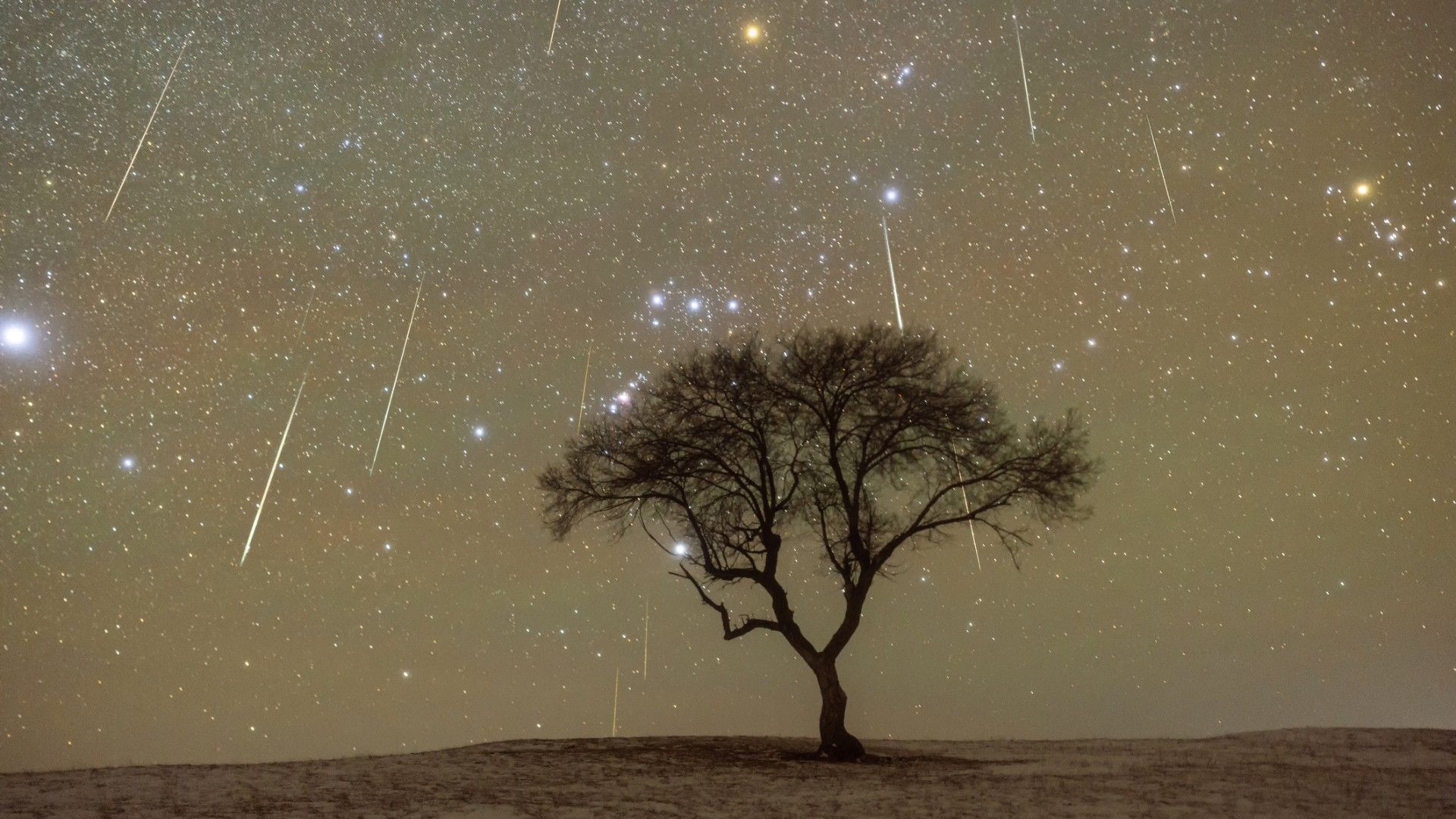
Meteor shower enthusiasts often feel compelled to witness every celestial event, but over time, I've learned that being selective is key. Watching the Orionids next week is a prime example of this approach. These fast meteors originate from debris left behind by Halley's Comet, which makes them particularly intriguing. However, a bright moon will complicate seeing them, as it will brighten the night sky and make shooting stars difficult to spot.
I've discovered that knowing when not to observe is equally important as knowing when to do so. The peak of the Orionids occurs between Oct. 21-22, but a 80%-illuminated waxing gibbous moon will interfere with viewing during that time. The best window to observe will be before dawn, when the moon will have set. However, the weather forecast should also be considered before heading out into the night.
Written by urgent.news from Space.com's reporting — not their text. Machine-written — may contain errors; check the original before relying on it.