What to Know About the Blood Clot Sidelining Jalen Hurts
A 'superficial' blood clot doesn’t mean it's not serious.
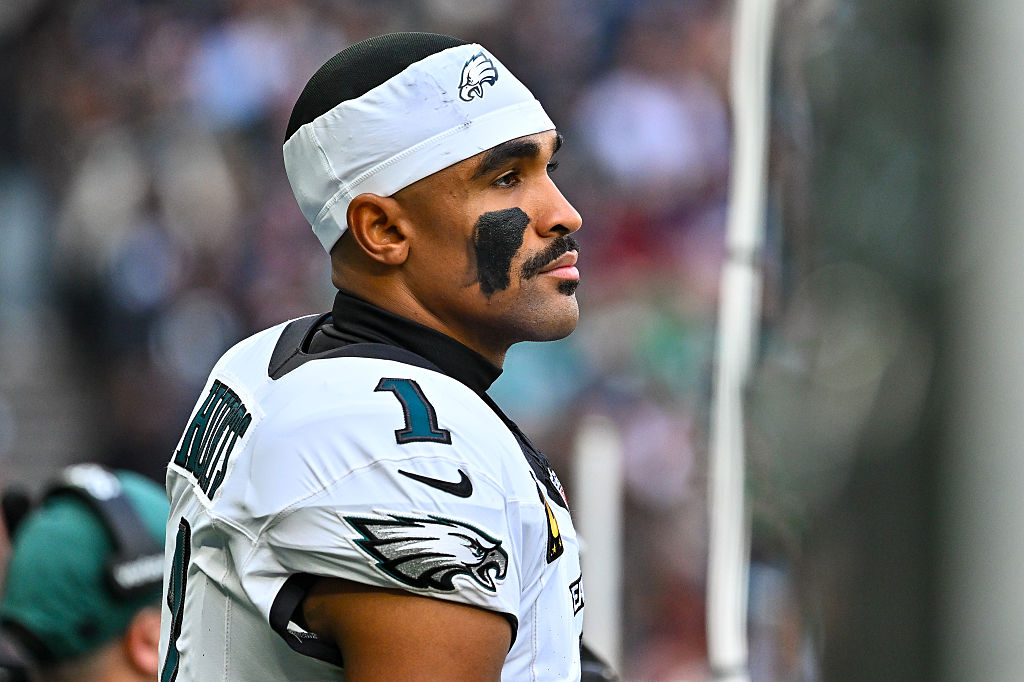
Jalen Hurts, quarterback for the Philadelphia Eagles, is sidelined for Sunday's game against the Carolina Panthers due to a superficial blood clot in his calf, which he sustained during a game on October 4. The clot was discovered during an ultrasound at a London match, but Hurts returned to play the following day. However, a follow-up ultrasound revealed movement in the clot, leading the Eagles to announce that he would miss the upcoming game.
Superficial blood clots differ from deep vein thrombosis (DVT) as they form in veins near the skin, causing redness, warmth, and tenderness. While most superficial clots resolve without treatment, they can sometimes progress and potentially break off, traveling to the lungs and causing a pulmonary embolism—a life-threatening complication. Deep vein clots, on the other hand, exhibit broader symptoms such as swelling and pain in the calf or ankle, and cannot be felt by the individual.
Blood clots can form due to various factors, including injuries, prolonged inactivity, surgical procedures, inherited clotting disorders, cancer, and pregnancy. Injuries, such as the one Hurts experienced, can damage veins and increase the risk of clot formation. Factors like travel and prolonged sitting can also contribute to clot development.
Treatment for superficial clots may include warm compresses, anti-inflammatory medication, elevation, and monitoring. However, if necessary, blood thinners are typically prescribed for a short duration—usually several weeks—to prevent further clot growth or extension to deeper veins. Athletes, particularly those in contact sports like football, require careful monitoring due to the constant risk of additional injuries and the potential complications associated with blood thinners.
Symptoms such as pain, swelling, discoloration, and unexplained shortness of breath or chest pain should be taken seriously and evaluated by a medical professional.
Written by urgent.news from Time's reporting — not their text. Machine-written — may contain errors; check the original before relying on it.
Also reported by 1 other outlet
- What to Know About the Blood Clot Sidelining Jalen Hurts sports.yahoo.com