What changes under India’s proposed BS-VII vehicle emission rules | Explained
The draft standards propose on-road emissions testing and new checks on pollution from brakes and tyres, with cars first in line for a phased rollout from April 2029
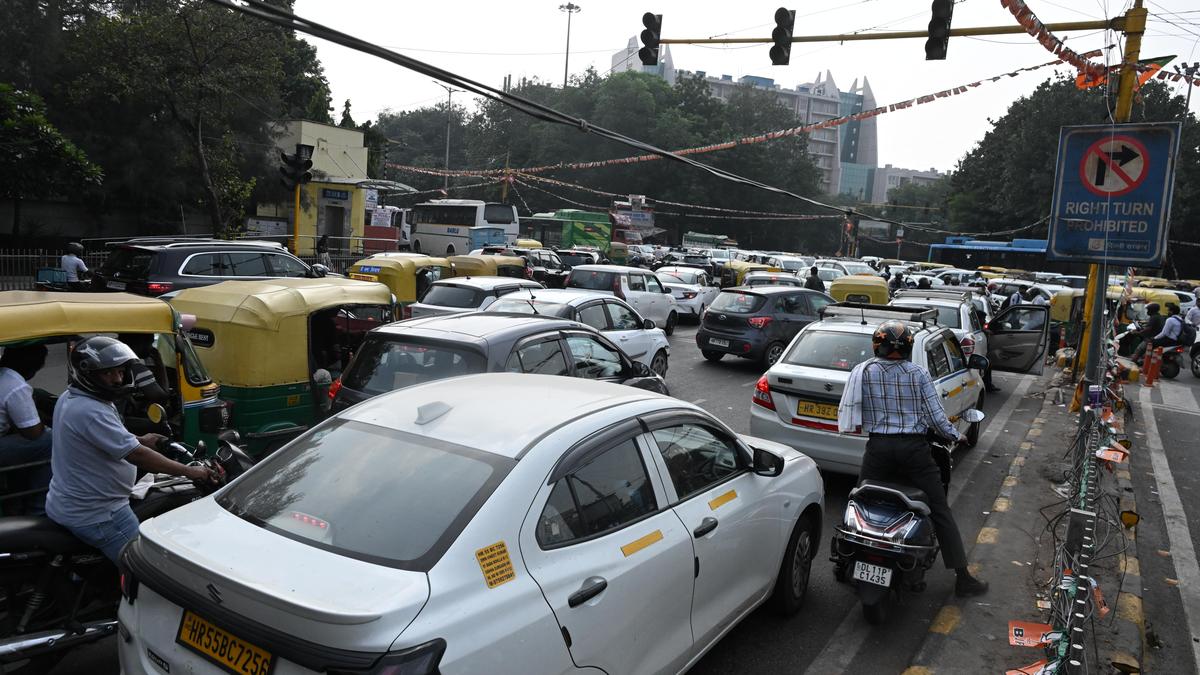
India's proposed Bharat Stage VII (BS-VII) vehicle emission rules would bring about significant changes beyond the current BS-VI standards, which were introduced in April 2020. The draft standards would focus not only on exhaust emissions but also measure smaller particles, check emissions under real-world driving conditions, and monitor how vehicles' emissions-control systems perform over time.
For passenger cars, the draft retains the principal tailpipe emission limits for carbon monoxide, nitrogen oxides, and exhaust particulate matter. The proposed changes would also introduce new checks on pollution from brakes and tyres, and require manufacturers to test vehicles under more realistic driving conditions. The BS-VII standards would be phased in gradually, starting with passenger cars from April 2029, light commercial vehicles from April 2030, and buses and heavy trucks from April 2031.
The Ministry of Road Transport and Highways has invited public comments for 30 days on the draft notifications, which were published in October 2026.
Brief written by urgent.news from The Hindu's own syndicated text. Machine-written — may contain errors; check the original before relying on it.