Vulture conservation project to target illegal killing and poisoning in Chad
Conservationists are launching a project to protect dwindling vulture populations in Chad amid a Central Africa-wide decline. Run by the nonprofit Sahara Conservation, the project is part of a larger EU-funded LIFE EV Safe Return program that focuses on protecting the endangered Egyptian vulture (Neophron percnopterus). Egyptian vultures migrate from their breeding sites in the […]
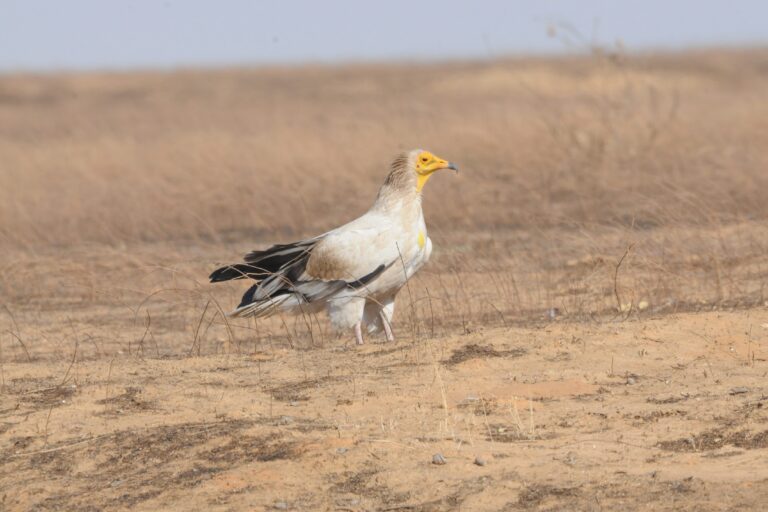
A new conservation initiative aims to safeguard dwindling vulture populations in Chad, as part of a broader effort to combat illegal killing and poisoning across Central Africa. The project, spearheaded by the nonprofit organization Sahara Conservation, is an integral component of the EU-funded LIFE EV Safe Return program. Focused on the critically endangered Egyptian vulture, the initiative aims to protect these birds as they migrate from breeding sites in Southern Europe, North Africa, and Asia to winter feeding grounds in sub-Saharan Africa, including Chad.
Sahara Conservation's efforts will concentrate on two key locations in Chad: the Ouadi Rimé–Ouadi Achim Faunal Reserve and Lake Fitri. These sites are crucial stopovers for Egyptian vultures. Additionally, critically endangered Rüppell’s vultures and endangered lappet-faced vultures utilize these areas for breeding. Cloé Pourchier, program officer at Sahara Conservation, emphasized that the project targets the primary threats to vultures in Chad, with a particular emphasis on Egyptian vultures.
She noted that any actions taken for vulture conservation would benefit all species, highlighting the interconnectedness of these threatened birds.
One of the most concerning threats to vulture populations in Chad is demand for their body parts based on superstitious beliefs. Vultures are killed in the belief that their parts can bring good fortune or prevent misfortune. Last year alone, more than 100 Rüppell’s vultures met their demise in Chad due to poisoning in three separate incidents.
Several of these birds had their heads removed, indicating that their remains were destined for markets in Nigeria and Niger. Investigations conducted by Sahara Conservation and interviews with local residents revealed that the vultures were being killed for these markets, underscoring the urgency of the conservation effort.
Written by urgent.news from Mongabay's reporting — not their text. Machine-written — may contain errors; check the original before relying on it.