UPSA launches laptop assembly plant, requires new students to assemble their own devices
By Nana Karikari, Senior Global Affairs Correspondent The University of Professional Studies, Accra (UPSA) has launched a laptop and digital technology assembly facility at its AFOA ATA Building. The initiative marks a significant transition toward technology-enabled practical instruction. Management unveiled the project on Wednesday, October 14, 2026. The facility directly responds to…
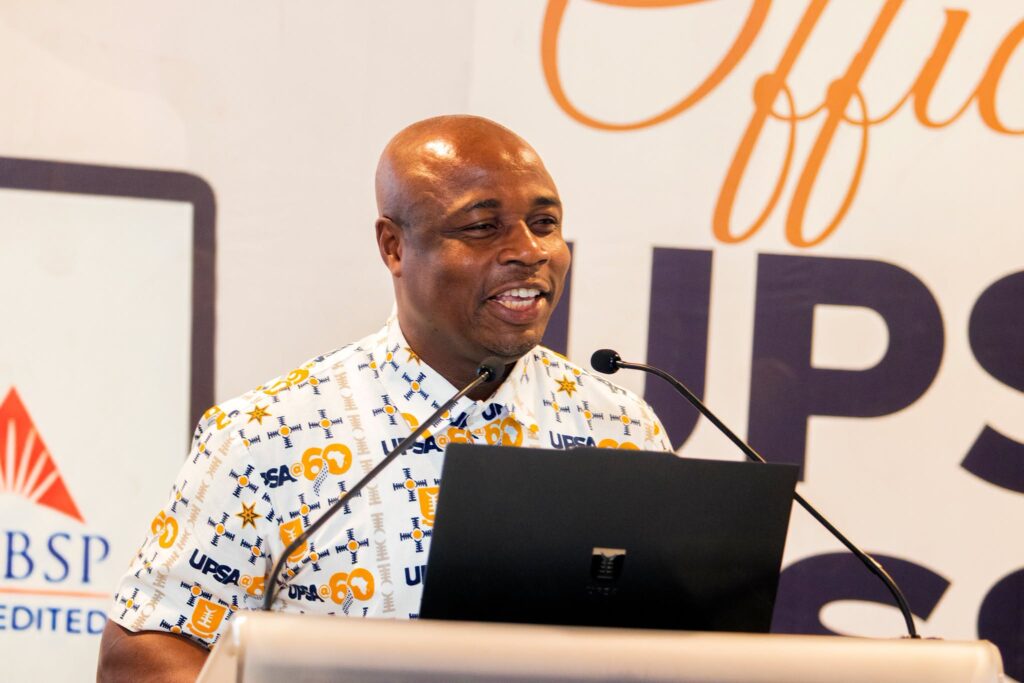
The University of Professional Studies, Accra (UPSA) has opened a laptop and digital technology assembly facility at its AFOA ATA Building. This move signals a significant shift towards hands-on technology learning. The university unveiled the project on October 14, 2026, in response to student requests for more practical instruction.
The facility's main objective is to teach students not just theoretical concepts but also practical skills for self-reliance. Prof. John Kwaku Mensah Mawutor, the UPSA Vice-Chancellor, highlighted that the initiative aligns with the university's vision to blend academic knowledge with practical skills, innovative thinking, and problem-solving.
The launch event featured students assembling their first laptops after three days of training. The facility is expected to produce 1,000 laptops weekly, or about 4,000 units monthly. The curriculum will cover software design, hardware-integrated application development, and artificial intelligence integration. Starting next academic year, all incoming students will assemble the devices they will use throughout their studies.
The university will finance this through a convenient payment plan, emphasizing that a laptop is essential for student success. The project is a public-private partnership between UPSA, Mind Dey Talent and IT Co. Ltd, and two other private investors. UPSA contributed student labor as equity, with no direct capital outlay required.
The university plans to commercialize the initiative, aiming to produce up to 30% of components locally within three years.
Written by urgent.news from GBC Ghana's reporting — not their text. Machine-written — may contain errors; check the original before relying on it.