Two sisters and one piano working wonders at dementia village
Min Luo and her sister, Fei Shan, played piano for a friend with dementia and discovered the positive impact it had on him. They then decided to share their talents with other dementia patients.
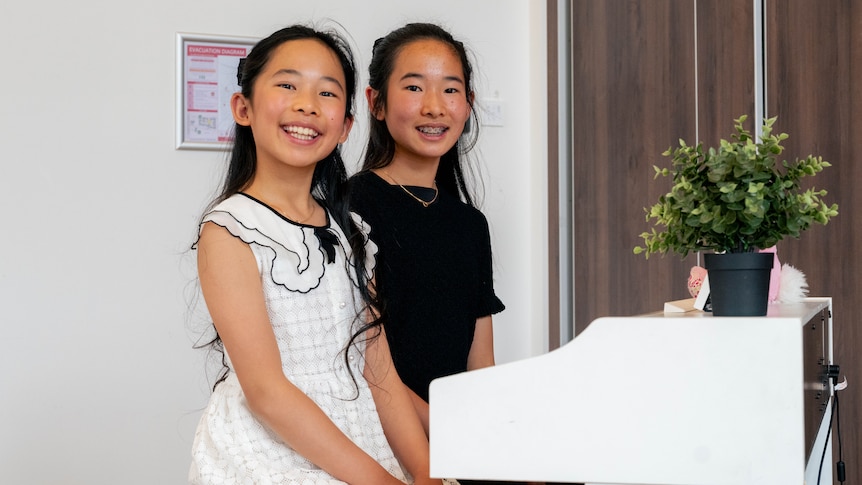
Alzheimer's disease and dementia can impair a person's memory and communication abilities, but music seems to retain a connection with those affected. Young sisters Min Luo, 12, and Fei Shan, 9, found this to be true by chance when playing piano for a family friend with dementia. The visitor's demeanor changed drastically when they started playing - he would sit down, tap his hand in rhythm or hum along, expressing a newfound sense of joy.
Inspired by this, the sisters decided to share the comfort of music with others suffering from the debilitating brain disease. They began visiting aged care facilities, performing for the residents at a village in Hobart, Australia. The impact was palpable; some residents tapped their feet or nodded along with the music, while others seemed to feel an overall sense of well-being.
For 75-year-old Nick Dickens, who suffers from frontotemporal and vascular dementia, the sisters' musical performances brought back memories and positive emotions. He noted that the concert helped residents who often felt isolated to reconnect with their surroundings. The sisters plan to hold a concert aiming to raise funds for dementia research.
Associate Professor Alison Canty from the Wicking Dementia Research and Education Centre explained that the part of the brain responsible for musical memory is highly resilient during the progression of the disease. This resilience may be due to the brain's ability to maintain specific circuits unaffected by the deterioration caused by Alzheimer's.
Moreover, music can stimulate the release of dopamine, a neurotransmitter that improves mood, reduces anxiety, and lessens stress. As dementia continues to pose a significant health challenge in Australia, with the condition ranked as the leading cause of death in 2025 and projected to affect nearly 1.1 million people by 2065, initiatives like Min and Fei's concerts provide a beacon of hope and a tangible solution to alleviate some of the burdens associated with this disease.
Written by urgent.news from ABC News AU's reporting — not their text. Machine-written — may contain errors; check the original before relying on it.