Trace elements
Governments want to know where every tonne of steel and sack of coffee comes from, but their customs posts are still working out where to put the answer. On January 1 the European Union’s carbon border adjustment mechanism (CBAM) stopped being a reporting exercise and started running up bills. Anyone importing more than 50 tonnes […] Trace elements was originally published on Emerging Europe .
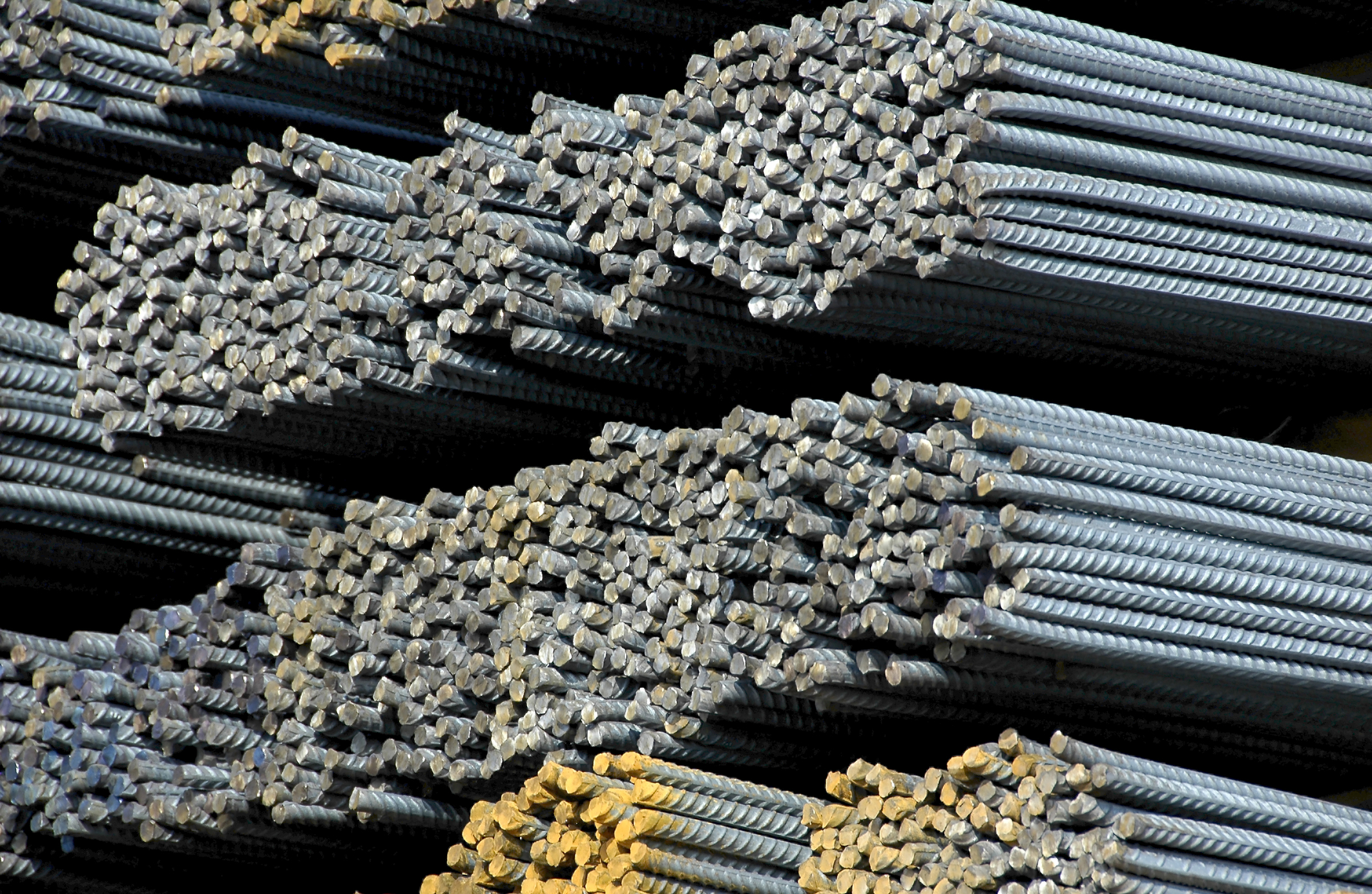
The European Union’s carbon border adjustment mechanism (CBAM) began requiring declarations and billing for certain industries, such as steel and coffee, in January 2024. Over 12,000 operators applied for authorization by January 7, with 4,100 granted access. However, the EU's deforestation regulation (EUDR) faced delays due to an inadequate IT system for processing companies' due-diligence statements.
The system was partially switched off in February for reconstruction, with a new release launching in September. Large and medium companies must use it from December 30, 2026. The Organisation for Economic Co-Operation and Development (OECD) reported that fewer than one in five new environmental and social requirements at borders have comprehensive enforcement plans.
Compliance costs are increasing, with Serbia's HBIS steelworks incurring up to 200 million euros in costs by 2030. The CBAM and EUDR have disrupted trade, particularly in Ukraine, where steel exports dropped by 41.7% year-over-year in 2026's first half. Tighter EU import quotas also contribute to the issue. The EU is working on improving its customs system, which includes an upcoming EU Customs Authority, e-commerce data hub, and mandatory compliance by 2034.
Written by urgent.news from Emerging Europe's reporting — not their text. Machine-written — may contain errors; check the original before relying on it.