Time is a-changin’: say goodbye to the leap second
An important change will soon be made to global timekeeping that aims to prevent potential infrastructure failures akin to the Y2K bug scare. On Thursday, the International Bureau of Weights and Measures (BIPM) voted to scrap the leap second, an ad hoc time adjustment that's occasionally added so tracked time standards mirror the Earth's real […]
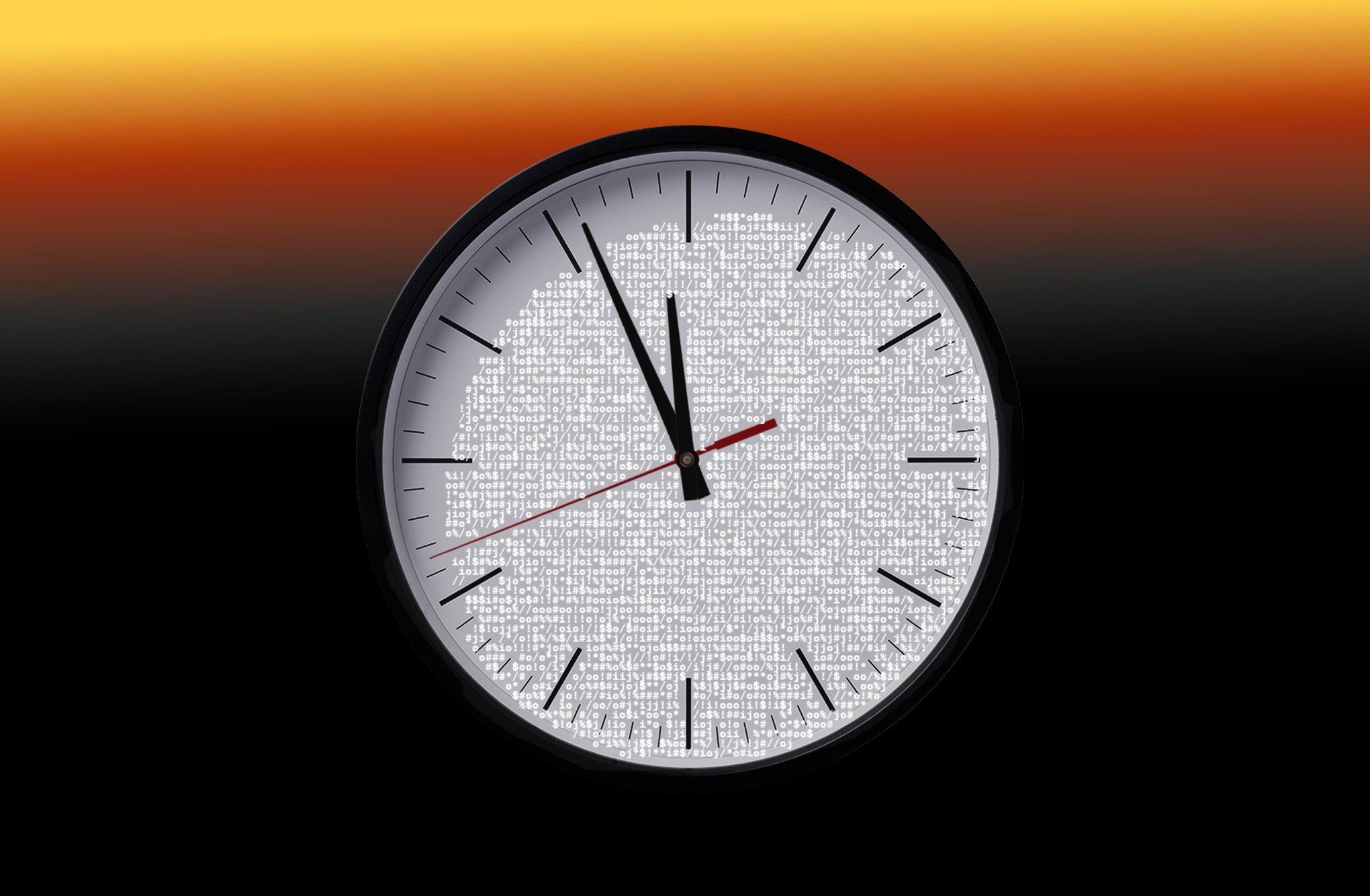
The International Bureau of Weights and Measures (BIPM) has voted to discontinue the leap second in timekeeping, with plans to implement the change by May 20th next year. Leap seconds are occasionally added to synchronize tracked time standards with the Earth's inconsistent rotation, but they have previously caused disruptions to tech infrastructure, reminiscent of the Y2K bug scare.
In a decision expedited by concerns over potential issues arising from the Earth's rotation changes, leap seconds may soon need to be subtracted instead of added. This unprecedented scenario has raised concerns about potential havoc on critical infrastructure that depends on precise time synchronization. Companies like Meta, Google, Microsoft, and Amazon have backed the move to retire leap seconds.
Instead of leap seconds, timekeepers will use "leap hours," allowing atomic and astronomical time to gradually diverge until an entire hour needs to be added, a situation not anticipated to occur for around 3,000 years.
Written by urgent.news from The Verge's reporting — not their text. Machine-written — may contain errors; check the original before relying on it.