Thousands of Snakes Close This Illinois Road Twice a Year as They Move Between Seasonal Habitats
Learn more about Snake Road, a 2.5-mile stretch in Illinois that is closed to cars twice a year for the safe winter migration of reptiles and amphibians.
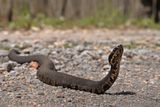
Each spring and fall, a 2.5-mile segment of Forest Road 345 in southern Illinois, known as Snake Road, temporarily closes to vehicle traffic. The road serves as a crucial passage for thousands of snakes and amphibians as they move between their summer feeding grounds and winter shelters. On this stretch of limestone bluffs within the Shawnee National Forest, snakes leave the warm LaRue Swamp for the cooler limestone cliffs in spring, and return in fall.
The closures, which take place from March 15 to May 15 and September 1 to October 30, were originally established in 1972 to protect migrating animals. These closures have expanded to accommodate research findings that the migration period extends beyond the original three-week window. While the exact number of animals saved is unknown, fewer dead reptiles and amphibians are found along the road following the closures.
The closures also support the surrounding ecosystem, as snakes are both predators and prey in the food web. Visitors are encouraged to observe the migration responsibly, as sightings depend on various environmental factors. However, they should be aware that venomous snakes such as cottonmouths, copperheads, and timber rattlesnakes inhabit the area.
The Forest Service strictly prohibits handling, collecting, or harassing snakes, and visitors must walk slowly, watch their footing, and give the animals ample space.
Written by urgent.news from Discover Magazine's reporting — not their text. Machine-written — may contain errors; check the original before relying on it.