The Unpredictable Virus at the Core of Gene Therapy
The virus used to deliver healing DNA in gene therapy is under renewed scrutiny.

Gene therapy, which delivers DNA to treat diseases, has recently faced distressing cases that highlight its unpredictable nature. In China, a child enrolled in a clinical trial of gene therapy died from acute respiratory distress syndrome, while another child passed away due to blood vessel clots that obstructed oxygen delivery to vital organs.
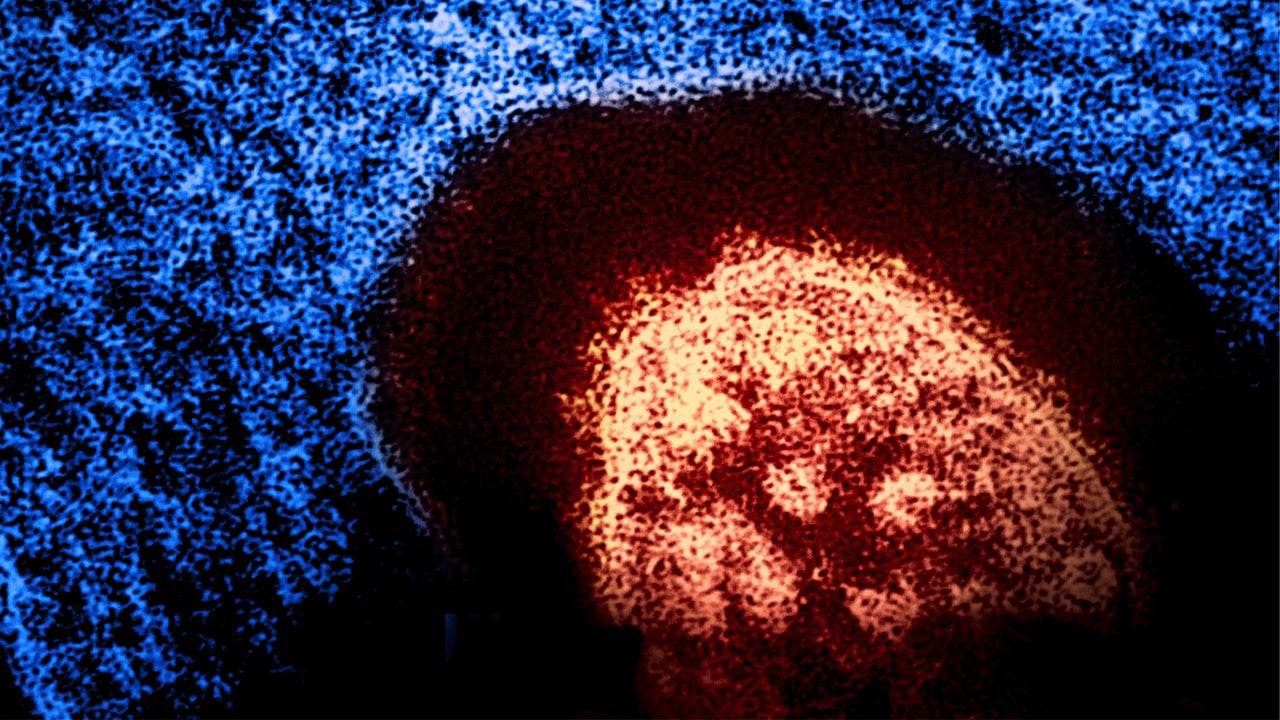
Additionally, a 5-year-old boy in Philadelphia developed a brain tumor that may have been caused by gene therapy. These treatments, which rely on adeno-associated viruses (AAVs), are highly versatile but can be unpredictable. AAVs are modified to deliver a functioning gene to the body without replicating or causing infection, and have transformed diseases such as spinal muscular atrophy, enzyme deficiency, muscle-wasting disease, and hemophilia.
However, they are associated with rare but severe risks, particularly when AAVs insert themselves into the patient's genetic code, leading to complications such as brain tumors. Despite these risks, AAV-based gene therapies are being explored for prevalent ailments such as heart disease, high blood pressure, and even Alzheimer's.
As the use of gene therapy expands, so may the instances of dramatic complications. Parents must weigh the potential benefits of treatment against these real risks, including fatal complications. In a poignant example, a family in Rhode Island faced this decision when their son, Riaan, was born with severe Cockayne syndrome, a neurodegenerative disease that shortens life expectancy.
Despite the potential risks, Riaan's parents decided to proceed with gene therapy, hoping to slow or halt his loss of nerve cells. The therapy, however, does come with inherent dangers, as AAVs can cause unpredictable side effects.
Written by urgent.news from The Atlantic's reporting — not their text. Machine-written — may contain errors; check the original before relying on it.